

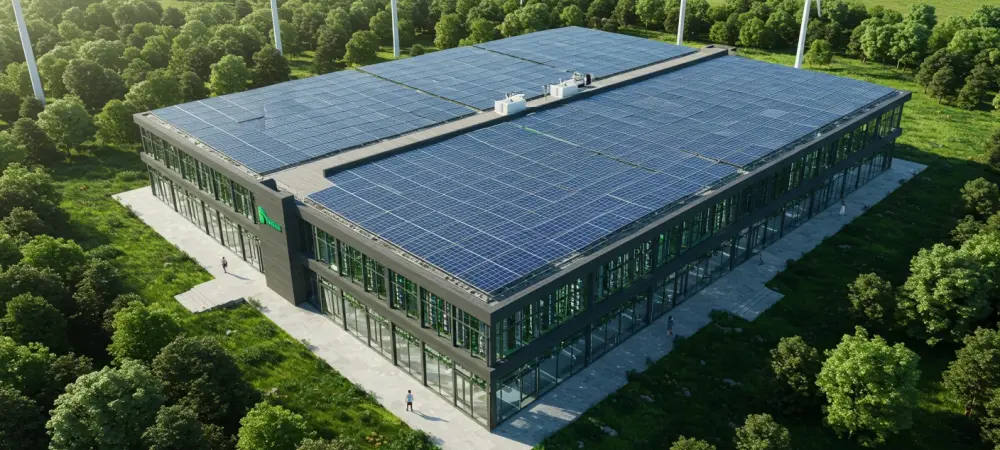
Imagine a region where digital demand skyrockets, yet environmental constraints like water scarcity loom large, creating a unique challenge for infrastructure development. Latin America, particularly Chile, faces this exact issue as it emerges as a hub for data infrastructure. With the recent launch of Ascenty’s third data center, SCL03, in Quilicura, Santiago, the industry is buzzing with opinions on how this facility balances cutting-edge technology with sustainability. This roundup dives into diverse perspectives from industry leaders, environmental advocates, and market analysts to explore the implications of Ascenty’s latest move, its role in shaping regional digital growth, and the broader lessons for sustainable infrastructure.
Exploring Ascenty’s Expansion in Latin America
A Milestone for Digital Growth
Ascenty, a leading Brazilian data center provider, has made waves with its $114 million investment in SCL03, marking a significant step in its regional strategy. Industry observers highlight the importance of this expansion amid Latin America’s accelerating digital economy, driven by cloud computing and streaming services. Many note that Chile’s strategic location and stable business environment make it an ideal spot for such infrastructure, positioning Ascenty as a key player in meeting rising demand.
Analysts from the tech sector emphasize that this launch isn’t just about adding capacity but also about setting a precedent for future developments. The focus on high-demand clients like public cloud providers and telecom firms suggests a targeted approach to capturing market share. However, some caution that rapid expansion must be matched with adaptability to shifting technological needs to avoid potential overinvestment in a competitive landscape.
Sustainability as a Core Focus
Environmental advocates have weighed in on SCL03’s commitment to green operations, particularly its use of 100 percent renewable energy. This feature is seen as a critical response to Chile’s status as the Latin American country most affected by water scarcity. Discussions often center on how such initiatives could inspire other companies to prioritize eco-conscious designs, especially in regions facing similar climatic challenges.
Yet, there are varied opinions on the feasibility of scaling these sustainable practices. While some industry watchers praise the closed-loop cooling system for minimizing water usage, others question whether such technologies can keep pace with the energy-intensive nature of data centers. The debate underscores a broader tension between environmental goals and operational demands, with many calling for innovative solutions to bridge this gap.
Unpacking SCL03: Features and Industry Reactions
Innovations in Green Technology
Diving into SCL03’s specifics, industry experts commend the facility’s adherence to rigorous standards like ISO 14001 and ISO 50001 for environmental and energy management. The consensus is that these certifications signal a strong commitment to sustainability, setting a high bar for competitors. Many see this as a response to growing client expectations for eco-friendly infrastructure in water-stressed areas like Chile.
However, opinions differ on the long-term impact of such systems. Some environmental analysts argue that while renewable energy and efficient cooling are promising, the high upfront costs might deter smaller players from adopting similar models. Others counter that as technology advances, economies of scale could make green solutions more accessible, potentially transforming industry norms over time.
A recurring concern among stakeholders is the balance between sustainability and performance. There’s a split in views, with some asserting that green practices might limit scalability, while others believe that innovations like those at SCL03 prove efficiency and responsibility can coexist. This discussion highlights the need for ongoing research and investment in sustainable tech.
Capacity and Connectivity for Digital Giants
Turning to SCL03’s technical prowess, market analysts are impressed by its 8,000 square meters of space, capacity for 1,000 racks, and 16MW of power. Many agree that these specs position the facility to serve major players in cloud services and telecommunications effectively. Its integration into Ascenty’s Campus 01 in Santiago, with 42MW across 51,000 square meters and direct links to PIX Chile, garners praise for enhancing connectivity.
Differing perspectives emerge on the competitive implications. Some industry voices suggest this gives Ascenty a significant edge in Chile’s data market, especially with carrier-neutral facilities becoming a priority for clients seeking flexibility. Others warn of risks like overcapacity if demand forecasts don’t align with reality, pointing to the fast-evolving nature of digital needs as a potential challenge.
There’s also a split on how SCL03 fits into broader market trends. While many see it as a catalyst for Chile’s emergence as a regional tech hub, a few analysts caution that maintaining this momentum requires consistent infrastructure upgrades. The diversity of opinions reflects the complexity of predicting growth in such a dynamic sector.
Raising the Bar for Industry Standards
On the topic of operational excellence, industry leaders highlight SCL03’s Tier III certification and ISO 27001 compliance for security as benchmarks for reliability. Many believe these standards not only boost client trust but also push competitors to elevate their offerings. The facility’s design is often cited as evidence that high performance and strict compliance are achievable goals.
Opinions vary on how this influences Latin America’s data center landscape. Some market watchers argue that Chile could become a model for other countries if more facilities adopt similar standards, especially with the push for carrier-neutral setups. Others note that regional disparities in resources and regulations might slow this trend, suggesting a need for tailored approaches across markets.
A notable point of contention is whether sustainability must come at the expense of cost or efficiency. Several experts challenge this assumption, pointing to SCL03 as proof that green practices can lead to long-term savings and stronger client relationships. This perspective encourages a shift in how the industry views the intersection of profitability and environmental stewardship.
Ownership Shifts and Strategic Implications
Ascenty’s joint venture structure with Brookfield Asset Management and Digital Realty draws significant attention, especially with recent speculation about Brookfield potentially selling a minority stake. Financial analysts suggest that such a move could inject fresh capital into Ascenty’s expansion plans, including upcoming projects like SCL04 and SCL05. Many see this as a positive signal for sustained growth in Chile.
Contrasting views emerge on the risks of ownership changes. Some industry observers warn that shifts in financial control might alter strategic priorities, potentially slowing investment in ambitious projects. Others argue that partnerships with established players like Digital Realty provide stability, ensuring that Ascenty can maintain its trajectory despite any restructuring.
The broader context of these dynamics also sparks discussion. Comparisons to other data center firms navigating ownership transitions reveal a shared challenge: balancing investor interests with long-term vision. Many agree that Ascenty’s ability to fund major developments through 2027 and beyond will hinge on navigating these financial waters with precision.
Lessons from Ascenty’s Chilean Venture
Feedback from various stakeholders offers valuable takeaways from Ascenty’s latest project. Industry professionals stress the importance of integrating sustainability into core operations, as seen with SCL03’s renewable energy focus. This approach is often recommended as a blueprint for future data centers aiming to align with global environmental goals.
Market experts also advise targeting high-growth sectors like cloud computing to ensure relevance and profitability. There’s a consensus that understanding client needs and regional demands is crucial for success. Some suggest that partnerships with local governments could further support infrastructure projects by addressing regulatory hurdles.
Another key lesson revolves around certifications and standards. Many in the field advocate for prioritizing internationally recognized benchmarks to build credibility and attract major clients. This strategy, paired with a commitment to green technology, is seen as a way to stand out in a crowded market while contributing to broader sustainability efforts.
Reflecting on a Transformative Step
Looking back, the launch of SCL03 stood as a defining moment for Ascenty and Chile’s digital landscape, with industry voices, environmental advocates, and analysts alike weighing in on its impact. The diverse insights revealed a shared recognition of the facility’s role in merging high-capacity infrastructure with eco-conscious design. Moving forward, stakeholders are encouraged to explore collaborative models that replicate such balance, perhaps by investing in shared renewable energy initiatives or advocating for policies that incentivize green tech adoption. As the region continues to evolve, delving deeper into case studies of sustainable data centers could provide further guidance for navigating this complex yet promising terrain.