

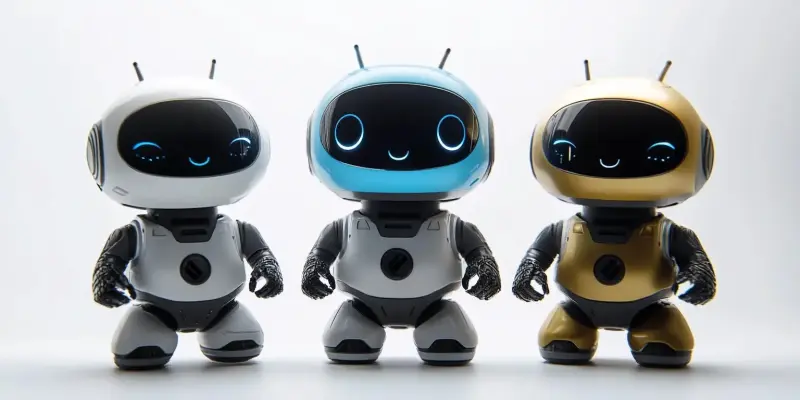
The annual Consumer Electronics Show (CES) 2025 has once again lived up to its reputation of showcasing groundbreaking innovation, particularly in the field of robotics. This year, the spotlight has been stolen by an array of exceptionally cute and highly functional robots designed to make human life easier and more enjoyable. Among the charming robots, Mirumi has particularly captured the imaginations of attendees and industry experts alike, standing out not just because of its endearing appearance, but also due to its advanced technical capabilities.
Mirumi, a companion robot, has been designed with a focus on providing emotional support and interaction, aimed especially at children and elderly people. Its adorable design features large, expressive eyes and a gentle demeanor, which makes it an instant hit among those seeking companionship and simple joy in their daily interactions. Beyond aesthetics, Mirumi boasts advanced artificial intelligence that recognizes and responds to human emotions, learns user preferences over time, and adapts its behavior to better serve its companions.
The variety of robots on display at CES 2025 wasn’t limited to companion bots like Mirumi. A diverse range of robots were showcased, each with their own unique functionalities. Home assistant robots are becoming increasingly sophisticated, equipped not just to control household appliances but also to provide security, health monitoring, and even dynamic learning for educational purposes. Entertainment bots dazzled crowds with cutting-edge capabilities in virtual reality, while customizable pet robots offered a glimpse into the future of interactive play.
What sets this year’s CES apart is the emphasis on integrating artificial intelligence and emotional intelligence into robotic designs. The goal is to create machines that are not just functional but also relatable and accessible for everyday users. Exhibitors highlighted how these advancements are not merely technical but also profoundly human, aiming to bridge the gap between technology and a more emotionally resonant user experience. This trend underscores a broader industry shift toward making robots that not only fulfill tasks but also provide genuine companionship.
From the consensus viewpoint, there is a clear trend towards making technology more personable and emotionally engaging. Robots at CES 2025 reflected this vision by showcasing how advanced AI can be leveraged to create machines that users can truly bond with. These developments indicate a future where robots could seamlessly blend into daily life, enhancing not only productivity but also the emotional well-being of their users by offering reliable, intelligent companionship. This synthesis of functionality and endearing design represents the future of consumer robotics, aiming to enhance everyday life with intelligent companionship.