

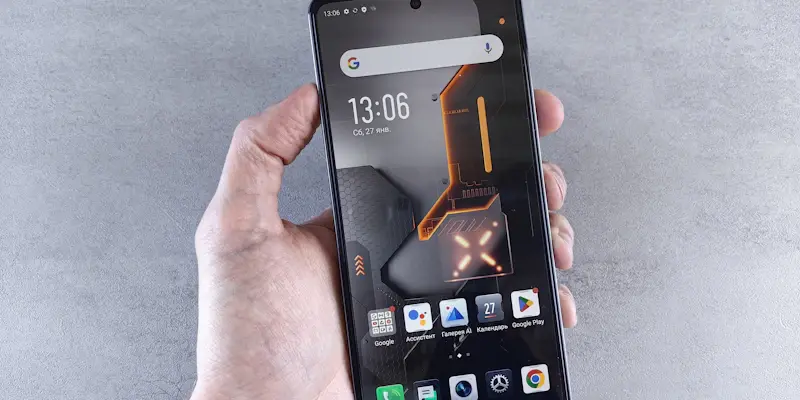
In a market saturated with numerous smartphone options, finding the perfect mid-range device can be a daunting task.This is where the recently launched Honor Play 60 and Honor Play 60m aim to make a significant impact. These new smartphone additions feature robust specifications, including MediaTek Dimensity chipsets and large 6,000mAh batteries. With their innovative attributes and competitive pricing, the question arises: are these devices set to become the new benchmarks within the mid-range category?
Specifications and Features
High-Performance Chipsets and RAM
Equipped with the MediaTek Dimensity 6300 SoC, the Honor Play 60 and 60m promise to deliver efficient and powerful processing capabilities. This choice of chipset ensures that users enjoy smooth and responsive performance, whether they are browsing the internet, streaming high-definition videos, or engaging in demanding gaming sessions. Accompanying the processing power, the devices come with support for up to 12GB of RAM, catering to the needs of multitaskers and heavy users.
The large memory configurations also help in handling multiple applications seamlessly, and the availability of internal storage options up to 256GB ensures users have ample space to store their apps, media files, and other data.This combination of a powerful chipset and extensive memory addresses the requirements of modern smartphone users who seek both speed and efficiency.
Display and Camera Capabilities
Both models boast a 6.61-inch HD+ TFT LCD display with a 120Hz refresh rate, making them suitable for a variety of visual activities including gaming, video playback, and general content consumption.The display offers a peak brightness of 1,010 nits, enhancing visibility under different lighting conditions. Features like eye protection modes further elevate the viewing experience, making these devices easier on the eyes over extended periods.Camera capabilities are a crucial factor for potential smartphone buyers, and the Honor Play 60 and 60m aim to meet these expectations with their AI-supported 13-megapixel rear cameras and 5-megapixel front cameras. These cameras can capture 1080p resolution videos, allowing users to document their lives with clarity and vibrancy. The incorporation of AI technologies aids in optimizing photos and videos, ensuring that users get the best results with minimal effort.
User-Focused Design
Innovative Physical Button
A standout feature of the Honor Play 60 series is the new physical button located on the left edge of the devices.This button provides users with quick access to frequently used functions such as making calls or adjusting display brightness with a single click. This addition is particularly beneficial for users who prefer physical controls over touchscreen interactions, offering a more tactile and intuitive user experience.
Battery Life and Connectivity Options
Battery life remains one of the top concerns for smartphone users, and the Honor Play 60 models address this with their substantial 6,000mAh capacities. These batteries ensure extended usage times, reducing the need for frequent recharging and offering convenience to users who are constantly on the move. The devices also feature side-mounted fingerprint sensors, enhancing security while maintaining ease of access.
In terms of connectivity, the Honor Play 60 and 60m are well-equipped with 5G support, Wi-Fi 5, Bluetooth 5.3, and GPS. Additional features include OTG, USB Type-C, and the always-welcome 3.5mm headphone jack.The devices are designed to cater to a wide range of user preferences and connectivity needs, making them versatile choices for different usage scenarios.
Pricing and Availability
Competitive Pricing
The Honor Play 60 series has been strategically priced to ensure it appeals to a broad range of consumers. The base model of the Honor Play 60 starts at CNY 1,199 (approx. Rs. 14,100) and goes up to CNY 1,399 (approx. Rs. 16,400) for the 8GB + 256GB variant. The Honor Play 60m, meanwhile, starts at CNY 1,699 (approx. Rs. 19,900) for the 6GB + 128GB option and reaches up to CNY 2,599 (approx. Rs. 30,500) for the highest 12GB + 256GB specification.
Color and Availability Options
Color options for the Honor Play 60 include Moyan Black, Yulong Snowy, and Xiaoshan Green, providing a range of aesthetic choices for potential buyers. The Honor Play 60m, on the other hand, offers Ink Rock Black, Jade Dragon Snow, and Morning Glow Gold. These colors are designed to appeal to varied tastes and preferences, ensuring there’s a style for everyone.
These smartphones will be available for purchase through the Honor China e-store, making them accessible to a wide audience.This availability aligns with Honor’s strategy of providing powerful and affordable smartphone options to a diverse demographic.
Conclusion: Mid-Range Market Considerations
Navigating a market flooded with myriad smartphone choices, finding the perfect mid-range device can be overwhelming. Enter the freshly launched Honor Play 60 and Honor Play 60m, designed to make a remarkable impact. These new smartphones boast powerful specifications, including MediaTek Dimensity chipsets and impressive 6,000mAh batteries. Their innovative features paired with competitive pricing make them strong contenders in the mid-range category.
The Honor Play 60 and Honor Play 60m aim to redefine user expectations, offering high performance and durability. These devices are not just about impressive hardware; they promise a seamless user experience with their superior processing power. Furthermore, the large batteries ensure prolonged usage, which is a crucial aspect for users always on the go.
The market is ripe for disruption, and with these offerings, Honor is positioning itself as a leading player.The big question remains: Will the Honor Play 60 and Honor Play 60m set new standards and become the go-to options in the mid-range market?