

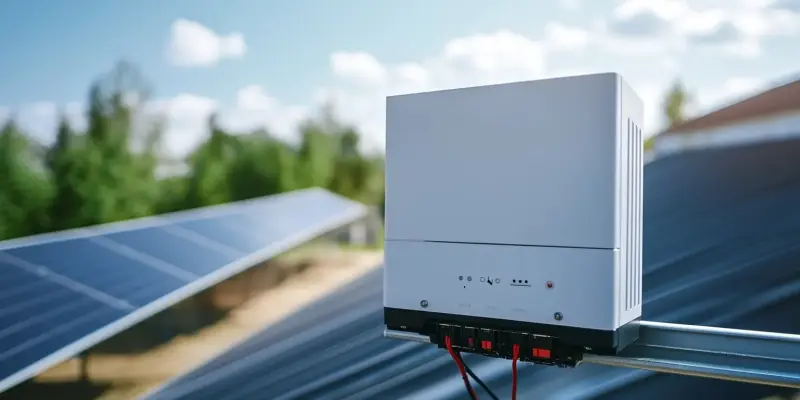
In recent years, the renewable energy sector has experienced tremendous growth. With a focus on reducing carbon footprints and dependence on fossil fuels, solar power has emerged as a critical component of the global power grid. However, researchers have uncovered alarming security flaws within solar power infrastructure, particularly targeting solar inverters. Solar inverters are crucial devices that convert the variable direct current (DC) output of solar panels into an alternating current (AC) used by the electrical grid. These vulnerabilities have raised concerns about the potential for malicious actors to manipulate power generation, posing a significant threat to grid stability worldwide.
Identification of Vulnerabilities in Solar Inverters
An extensive investigation has revealed 46 new vulnerabilities across three of the world’s top 10 solar inverter manufacturers. These vulnerabilities expose systemic weaknesses in the design and implementation of these vital components, allowing attackers to alter inverter settings through various attack vectors. Unauthorized access to cloud platforms, exploitation of insecure communication protocols, and other cyber intrusions present tangible risks. If cybercriminals leverage these vulnerabilities, they could conduct coordinated load-changing attacks, destabilizing power grids and potentially leading to widespread blackouts.
Forescout researchers have observed a troubling pattern over the past few years, noting an average of 10 disclosed vulnerabilities per year in solar power systems. Alarmingly, 80% of these vulnerabilities are categorized as high or critical in severity, with 30% receiving the highest possible Common Vulnerability Scoring System (CVSS) scores, indicating the potential for total system control by attackers. The significant frequency and severity of these vulnerabilities underscore the urgent need for robust security measures within the sector.
Manufacturer-Specific Attack Vectors
The attack vectors exploiting these vulnerabilities are specific to each manufacturer. For instance, vulnerabilities in Growatt inverters enable cloud-based takeovers, granting unauthorized users access to resources and control over entire solar plants. A simplified code example revealed a vulnerability where poor authorization checks invariably permitted access, regardless of proper permissions. Similarly, Sungrow inverters show weaknesses susceptible to hijacking by harvesting serial numbers from communication dongles. This is compounded by insecure direct object references and hard-coded credentials, which can be exploited to achieve remote code execution and full system commandeering.
These security gaps are particularly concerning given the geopolitical implications.== A significant portion of solar inverter manufacturers and storage system providers are headquartered in China, raising questions about supply chain security in critical infrastructure.== Despite these challenges, responsible disclosure protocols have facilitated the patching of all identified vulnerabilities by the affected vendors, mitigating immediate risks but highlighting the importance of continuous vigilance and proactive measures to ensure long-term security.
Implications for the Renewable Energy Sector
The discovery of these vulnerabilities presents a formidable challenge for the renewable energy sector. As the adoption of solar power continues to grow globally, addressing these fundamental security weaknesses becomes essential to safeguarding grid stability and protecting consumer privacy. The impact of a compromised solar power system can be far-reaching, with potential disruptions to energy supply, increased costs, and loss of consumer confidence in renewable energy solutions.
To mitigate these risks, collaboration between power utilities, device manufacturers, and regulatory bodies is crucial. Implementing stronger security protocols, developing comprehensive verification processes, and fostering a culture of cybersecurity awareness throughout the solar power supply chain are necessary steps. Establishing industry-wide standards for security can help ensure that new devices are built with robust defenses against cyber intrusions and that existing systems are regularly updated to counter emerging threats.
Future Considerations and Steps Forward
In the past few years, the renewable energy industry has seen incredible growth. As the world aims to lower carbon emissions and reduce reliance on fossil fuels, solar power has become an essential part of the global energy grid. Despite its advantages, researchers have revealed significant security issues within the solar power infrastructure, with solar inverters being particularly vulnerable. These devices are responsible for converting the varying direct current (DC) produced by solar panels into alternating current (AC) that powers the electrical grid. The discovery of these security flaws has led to heightened concern over the possibility of cyberattacks. Malicious agents could exploit these weaknesses to control or disrupt power generation, which poses a severe risk to the stability of electrical grids on a worldwide scale. Addressing these security problems is vital to ensuring the reliability and safety of solar energy systems as we move towards a more sustainable future.