

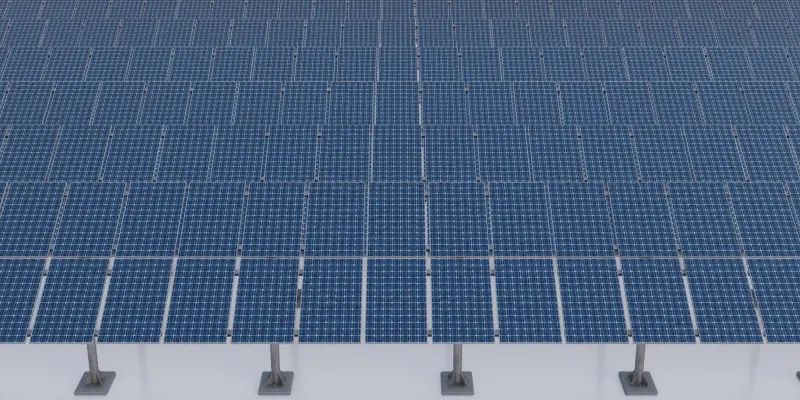
The world of renewable energy is experiencing a paradigm shift thanks to the innovative use of autonomous robots for solar panel installation. This transformation has turned what was once a daunting, labor-intensive task into an efficient, streamlined process. At the forefront of this transformation is Rosendin, a seasoned electrical contractor that has effectively harnessed the power of robotics to remodel solar farm setups. This development was exemplified at the Sequoia Solar project located in Texas, where the company’s sophisticated system was demonstrated, showcasing the potential of technology in revolutionizing solar infrastructure development. Ideal for large-scale solar farms, this robotic system incorporates cutting-edge technology to enhance productivity while ensuring safety for human workers. Significant strides are being made to meet increasing global energy demands via progressive technological advancements, marking a clear alignment with industry trends toward broad adoption of renewable energy solutions.
Harnessing Technology for Efficiency
Autonomous Robotic Systems
The deployment of autonomous robotic systems for solar panel installations marks an impressive leap forward in the solar energy sector. These systems, designed by Rosendin, aim to automate and refine the traditionally labor-intensive processes involved in setting up solar panels, significantly boosting installation speeds. Comprising three specialist robots, two handle transportation efficiently by carrying up to 35 solar panels simultaneously, while the third robot excels in precision placement using advanced LiDAR and GPS technologies. This technological marvel accelerates installation rates by threefold when compared to manual methods, thereby allowing for expedited completion of solar energy projects. The improvement in installation speed not only cuts down on labor time but also presents cost benefits to solar farm operators.
Enhancing Safety and Performance
Safety is a crucial consideration in the solar panel installation process, and the integration of robots facilitates a safer working environment by reducing physical demands on workers. This ensures fewer workplace injuries, enabling personnel to engage in tasks without strain, ultimately fostering a healthier team dynamic. A substantial drop in exertion allows a two-person crew, supported by these robots, to install a number of panels comparable to what larger manual teams would achieve, evidencing dramatic improvements in efficiency and manpower utilization. Rigorous testing in harsh and varied conditions has attested to the reliability of these robots, confirming their adaptability and performance prowess across different landscapes and weather scenarios. This focus on safety and performance sets a whole new standard in the industry, changing the realities faced by workers daily.
Future Developments and Industry Impacts
Ongoing Innovations and Upgrades
As the sector continues to adapt and integrate technology-driven solutions, Rosendin anticipates further developments, notably in areas like centralized monitoring systems, which could provide enhanced oversight and management capabilities for solar panel installations. Such technological upgrades are likely to elevate operational standards while streamlining installations further. This would allow for more expansive solar projects, overseen with precision from central command centers, ensuring optimal deployment and maintenance of solar panels remotely. The seamless communication and data flow between headquarters and on-site installations facilitate robust management practices, potentially lowering costs and increasing efficiency even further.
Aligning with Industry Trends
Rosendin’s robotic system adoption mirrors broader industry trends focusing on renewable energy demands, which are soaring due to increasing calls for environmental sustainability and carbon footprint reduction. The transition toward automated installations represents critical progress toward sustainable practices, underscoring the necessity of such technological innovations. As industry leaders tackle these advancements, they pave the way for enhanced scalability of projects and reduced reliance on arduous labor. The emerging trends advocate for long-term resource management solutions, emphasizing both eco-friendly development and production efficiency, potentially redefining industry dynamics over the coming years.
Technological Innovations Shaping the Future
As the sector evolves, Rosendin foresees advancements in technology-enhanced solutions, especially in centralized monitoring systems, which could significantly improve the oversight and management of solar panel installations. These tech upgrades promise to raise operational standards, simplifying the installation processes further. By enabling larger solar projects to be safely managed from central command centers, it ensures the optimal setup and upkeep of solar panels remotely. The integration of seamless communication and efficient data exchange between headquarters and field installations fosters robust management practices. This can potentially lead to reduced costs and heightened efficiency in solar operations. Furthermore, the deployment of cutting-edge technology in monitoring not only provides enhanced control but also offers predictive maintenance capabilities, allowing operators to address issues before they escalate. With these innovations, the solar industry is poised to expand its capacity and refine its operations, ensuring a reliable and sustainable energy future.