

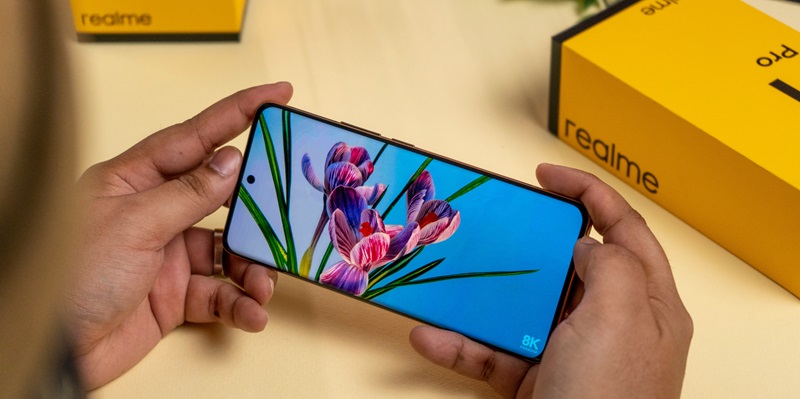
Realme is poised to make a significant impact in the premium Android smartphone market with the upcoming launch of its 13 Pro-series devices. Positioned as the company’s most advanced and high-end offerings to date, the Realme 13 Pro-series promises a host of substantial upgrades that elevate both performance and user experience. Among the highlights are the introduction of 80W SuperVOOC fast charging, a larger 5,200mAh battery, and improved drop resistance, which together mark a considerable enhancement over the previous generation. This article will delve into the key features, performance upgrades, and design improvements that set the Realme 13 Pro-series apart.
Key Features and Technology Enhancements
80W SuperVOOC Charging and Battery Capacity
One of the most notable upgrades in the Realme 13 Pro-series is the inclusion of 80W SuperVOOC technology for USB-C charging, a significant leap from the 67W SuperVOOC and 5,000mAh battery of the 12 Pro series. This advancement promises faster and more efficient charging, ensuring that users spend less time tethered to an outlet and more time using their devices. Meanwhile, the battery capacity has been increased to 5,200mAh, offering extended usage periods even under heavy workloads. This substantial upgrade could potentially be exclusive to the higher-end 13 Pro Plus model, though Realme has not explicitly confirmed this.
The 80W SuperVOOC charging technology represents a major evolution in Realme’s smartphone lineup, catering to the growing demand for rapid charging capabilities. Consumers today are increasingly seeking smartphones that not only perform well but also recharge quickly to keep up with their fast-paced lifestyles. By incorporating this technology, Realme aims to meet and exceed these expectations, placing the 13 Pro-series in direct competition with other flagship devices in the market. Additionally, the larger battery size aligns with the trend towards more power-hungry applications and longer screen-on times, providing users with the peace of mind that their phones will last throughout the day.
Advanced Drop Resistance and Durability
Another significant enhancement in the Realme 13 Pro-series is the certification for “5-star Drop Resistance” by SGS, which promises improved durability for users concerned about accidental drops and impacts. However, it’s important to note that this certification applies exclusively to the Emerald Green colorway with a vegan leather rear panel. In contrast, the alternatives featuring an all-glass Monet Design may not offer the same level of drop resistance. This distinction underscores Realme’s commitment to providing options that cater to different user preferences while ensuring robust protection for the device.
The displays of the Realme 13 Pro-series will also benefit from a new variant of Corning Gorilla Glass, named 7i, offering enhanced screen protection compared to the more commonly used Victus. This addition further bolsters the devices’ durability, making them more resilient to scratches and everyday wear and tear. For users who prioritize longevity and durability in their smartphones, these enhancements are particularly appealing, as they promise a longer lifespan and less susceptibility to damage from daily use. Realme’s focus on durability and premium materials in the design of the 13 Pro-series aims to deliver a high-quality user experience, setting a new standard for the brand’s future devices.
Performance and Design Improvements
Integration of Qualcomm Snapdragon 7-Series
Realme has disclosed that the 13 Pro-series will feature Qualcomm Snapdragon 7-series silicon, a move that signals a notable improvement in both performance and efficiency. This upgrade may be exclusive to the top-end 13 Pro Plus model, offering users more processing power and enhanced capabilities. The inclusion of Snapdragon 7-series processors is expected to deliver smoother multitasking, faster app launches, and an overall more responsive user experience. As smartphones become central to our daily lives, these performance enhancements will be highly valued by consumers seeking reliable and powerful devices.
The integration of Snapdragon 7-series silicon also points to advancements in computational photography, gaming, and AI-driven features, which are increasingly important in the premium smartphone segment. Users can expect improved camera performance, with faster image processing and better low-light capabilities, enhancing the overall quality of photos and videos. Gaming experiences will also benefit from the powerful GPU, offering smoother graphics and higher frame rates, making the Realme 13 Pro-series an attractive option for mobile gamers. Additionally, AI-driven features such as voice recognition, scene detection, and smart battery management will become more efficient, contributing to a seamless and intuitive user experience.
Focus on Premium Materials and Certification
Realme is gearing up to make a major splash in the premium Android smartphone market with the release of its 13 Pro-series devices. These smartphones are set to be the company’s most advanced and high-end offerings so far, boasting a range of significant upgrades that greatly enhance both performance and user experience. Key among these features is the introduction of 80W SuperVOOC fast charging, which promises to significantly reduce charging times. Additionally, the devices come equipped with a larger 5,200mAh battery, ensuring longer usage without frequent recharging. Furthermore, Realme has improved the smartphones’ drop resistance, making them more durable compared to their predecessors. The 13 Pro-series is also expected to include upgrades in camera technology, display quality, and processing power, making these phones stand out in a crowded market. This article will explore the various features, performance gains, and design enhancements that distinguish the Realme 13 Pro-series, promising to set new standards in the high-end Android smartphone segment.