

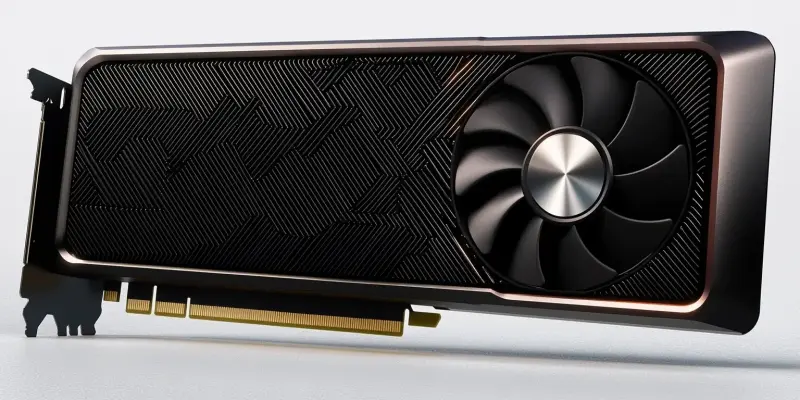
The recent problems surrounding NVIDIA’s latest RTX 5090 and RTX 5080 graphics cards have left many tech enthusiasts scratching their heads. Early adopters have reported significant issues, particularly following the most recent driver update. Users from Chinese forums like Baidu and Chiphell, as well as Reddit, have been vocal about their experiences, noting that their RTX 5090 GPUs are often not recognized by Windows after the update. The RTX 5090D, a Chinese market variant from brands such as Colorful, Gigabyte, and Manli, appears to be especially affected. The root of these problems might be linked to PCIe 5.0 compatibility, as discovered by hardware reviewer der8auer, who noted similar issues with the RTX 5080 Founders Edition. These issues seemed to disappear once the connection was reverted to PCIe 4.0.
This situation is particularly disheartening for those who have spent substantial amounts on these high-end GPUs. Beyond driver issues, these buyers are also grappling with stock shortages and high prices. Interestingly, the issues persist despite Windows Central’s Ben Wilson not encountering problems with pre-release drivers on PCIe 5.0. This discrepancy suggests that specific hardware configurations could be a pivotal factor in these malfunctions. For now, NVIDIA has not officially acknowledged the problems nor offered a solution, leaving affected users in a challenging position.
In the interim, those experiencing difficulties are being advised to revert to older driver versions or switch their motherboard’s BIOS settings to PCIe 4.0. These temporary solutions, while not ideal, may provide some relief as NVIDIA continues to investigate. The timing of these issues is especially critical with the imminent launches of the RTX 5070 Ti and AMD’s RDNA GPUs. Prospective buyers looking forward to these new releases might hope to avoid the initial troubles and associated costs currently plaguing the RTX 5090 and 5080.
User frustration has been palpable, highlighting the urgent need for a resolution to these technical challenges. It remains to be seen how NVIDIA will address these issues, but the consensus among the community is clear: a swift and effective fix is needed to restore confidence in their latest GPU offerings. Moving forward, the tech world will be closely watching NVIDIA’s response to ensure such hiccups don’t mar future launches.