
Are GPU Power Cables Safe With Increased Power Demands?

Article Highlights
Off On

Recent advancements in graphics processing units (GPUs) have seen a significant increase in power consumption, particularly with high-end models such as Nvidia’s RTX 4090 and 5090 graphics cards. These GPUs, engineered for superior performance, demand considerable power—reportedly reaching up to 600 watts during peak operations. This upsurge in power requirements has resulted in ongoing challenges with GPU power cables, as the existing power connection standards strive to support these substantial loads. Despite industry efforts to introduce newer, more secure cable standards like the 12V-2×6 connectors, issues such as cable burning and melting have not been entirely eradicated. These persistent problems indicate a pressing need for the industry to develop more effective solutions to protect modern graphics hardware and ensure user safety.

Addressing the Cable Safety Conundrum

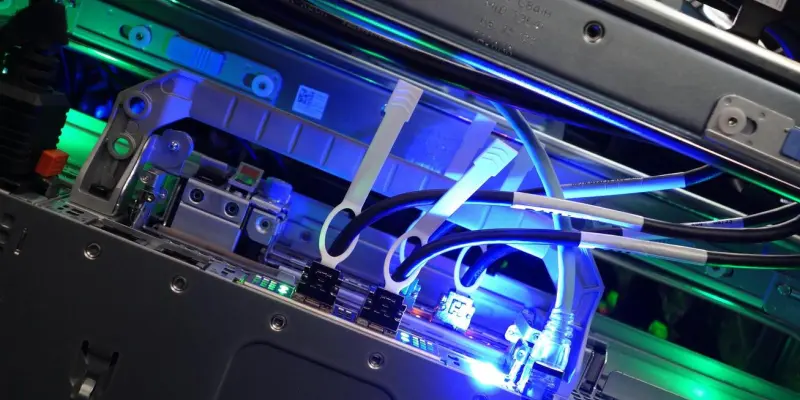
Seasonic is at the forefront of tackling GPU system safety challenges by innovating power supply designs with advanced monitoring technology. Their cutting-edge design features an external device that provides real-time surveillance of GPU power cables, closely monitoring power distribution and temperature changes. This proactive tool aims to prevent potential hazards by automatically shutting down the system when anomalies are detected, though there’s a risk of unexpected data loss from such shutdowns. This move highlights the industry’s dedication to protecting costly hardware investments while addressing the shortcomings of current power connectors in managing the escalating power demands of modern GPUs safely.

Seasonic’s forthcoming Prime-series power supply units (PSUs) slated for 2026 will likely incorporate these enhanced safety features, setting a new standard for PSUs. This aligns with other innovations like Asus’s cableless BTF power connections, which offer alternatives to traditional cables. The broader trend in the industry is to integrate advanced monitoring and safety protocols as a stopgap solution while manufacturers work to resolve excessive and unstable power delivery. This ensures the safe and efficient operation of advancing GPU technology, keeping pace with still-evolving demands.

Explore more

Can Hire Now, Pay Later Redefine SMB Recruiting?

Small and midsize employers hit a familiar wall: the best candidate says yes, the offer window is narrow, and a chunky placement fee threatens to slow the decision, so a financing option that spreads cost without slowing hiring becomes less a perk and more a competitive necessity. This analysis unpacks how buy now, pay later (BNPL) principles are migrating into

BNPL Boom in Canada: Perks, Pitfalls, and Guardrails

A checkout button promised to split a $480 purchase into four bite-sized payments, and within minutes the order shipped, approval arrived, and the budget looked strangely untouched despite a brand-new gadget heading to the door. That frictionless tap-to-pay experience has rocketed buy now, pay later (BNPL) from niche option to mainstream credit in Canada, as lenders embed plans into retailer

Omnichannel CRM Orchestration – Review

What Omnichannel CRM Orchestration Means for Hospitality Guests do not think in systems, yet their journeys throw off a blizzard of signals across email, SMS, chat, phone, and web, and omnichannel CRM orchestration promises to catch those signals in one place, interpret intent, and respond with the next right action before momentum fades. In hospitality, that means tying every touch

Can Stigma-Free Money Education Boost Workplace Performance?

Setting the Stage: Why Financial Stress at Work Demands Stigma-Free Education Paychecks stretched thin, phones buzzing with overdue alerts, and minds drifting during shifts point to a simple truth: money stress quietly drains focus long before it sparks a crisis. Recent findings sharpen the picture—PwC’s 2026 survey reported 59% of employees feel financially stressed and nearly half say pay lags

AI for Employee Engagement – Review

Introduction Stalled engagement scores, rising quit intents, and whiplash skill shifts ask a widely debated question: can AI really help people care more about work and change faster without losing trust? That question is no longer theoretical for large employers facing tighter budgets and nonstop transformation, and it frames this review of AI for employee engagement—a class of tools that