

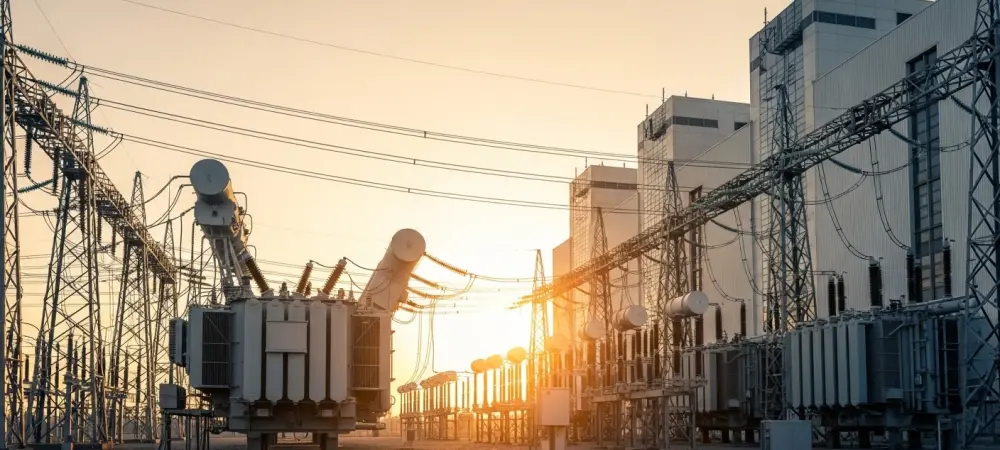
The Dawn of Gigawatt-Scale AI Factories
The fundamental shift from fragmented hardware acquisition toward massive, vertically integrated intelligence hubs has reached a critical tipping point with the announcement of a multi-gigawatt development strategy. The landscape of artificial intelligence infrastructure is undergoing a fundamental transformation, moving away from fragmented hardware procurement toward massive “AI factories.” At the center of this evolution is a landmark strategic partnership between Nvidia, the global leader in accelerated computing, and IREN, a premier operator of large-scale data centers. This collaboration aims to deploy up to 5 gigawatts (GW) of AI infrastructure across IREN’s global pipeline, signaling a new era where energy capacity and infrastructure orchestration are as critical as the silicon itself. The partnership underscores a broader market trend: the race to secure power, land, and operational expertise to support the next generation of generative AI training and inference at a utility scale. This analysis explores the strategic shift from cryptocurrency to AI, the technical framework of this massive expansion, and the long-term implications for the global technology market.
From Bitcoin Mining to High-Density Compute
A primary theme of this development is IREN’s aggressive and successful transition from its origins in Bitcoin mining to becoming a world-class provider of AI cloud and data center services. This pivot was not merely a change in branding but a significant overhaul of the operational DNA within the organization. By leveraging its existing “power-rich” sites—originally developed for the energy-intensive demands of cryptocurrency—IREN gained a competitive head start in the AI race. Past industry shifts showed that securing utility connections was the most significant bottleneck in data center development; by repurposing existing permits and substations, IREN bypassed the multi-year lead times that currently hinder traditional real estate developers. These foundational energy assets represent the “physical layer” of the internet, which became the most sought-after commodity in the tech world. Moreover, this transition allowed for a rapid scaling of specialized facilities that are specifically engineered for the high thermal loads of modern accelerated computing clusters.
A Blueprint for Modern Data Architecture
The Sweetwater Campus and Nvidia’s DSX Integration
The cornerstone of the Nvidia-IREN partnership is the Sweetwater campus in Texas. With a planned capacity of 2 GW, Sweetwater is positioned to become the flagship implementation of Nvidia’s DSX AI factory architecture. The DSX framework represents a shift in Nvidia’s business model; rather than acting solely as a component supplier, Nvidia provides a comprehensive reference design. This architecture harmonizes accelerated computing, high-speed networking, specialized software, and power management into a singular, repeatable system. By designating Sweetwater as a flagship site, Nvidia endorsed IREN’s ability to execute at a scale previously reserved for hyperscale cloud providers like Amazon or Google, while utilizing Texas’s unique deregulated energy market to ensure maximum operational flexibility.
Financial Alignment and Strategic Investment Pathways
The deal includes a sophisticated financial component that aligns the long-term interests of both companies. Nvidia secured a five-year right to purchase up to 30 million shares of IREN stock, creating a potential investment pathway worth over $2 billion. This financial commitment was particularly noteworthy because it provided a powerful vote of confidence from the world’s most valuable chipmaker, even as IREN navigated the high capital expenditures required for such a massive expansion. The market’s reaction highlighted a consensus viewpoint among investors: in the current “land grab” phase of AI infrastructure, long-term capacity and strategic alliances were far more valuable than short-term profitability or immediate balance sheet figures. Consequently, the focus shifted toward the potential for recurring revenue from multi-tenant cloud services.
Vertical Integration as a Competitive Moat
To successfully convert raw GPU power into enterprise-ready AI services, an operator must manage every layer of the technology stack. IREN’s recent acquisitions, including the cloud software specialist Mirantis and the European-based Nostrum Group, provided the software layer and geographic footprint to complement its massive Texas power permits. This “full-stack” approach allowed for greater efficiency and faster deployment times, which was essential as the demand for both AI training and inference continued to skyrocket. This strategy addressed a common misconception that AI success was purely about hardware; in reality, it required a seamless blend of power management, specialized cooling, and sophisticated cloud orchestration. In contrast to smaller providers, this integrated model ensures that performance is optimized from the substation down to the individual chip.
Emerging Trends in Global AI Infrastructure
A critical trend identified by industry analysts is Nvidia’s need to diversify its customer base beyond the traditional hyperscale cloud providers. As tech giants increasingly develop their own custom silicon, Nvidia is seeking “neo-cloud” partners like IREN—operators who build massive infrastructure specifically for AI without the conflict of interest inherent in developing rival chips. This shift represents a move from “opportunistic GPU deployments” to “multi-year, gigawatt-scale capacity planning.” Looking forward, more partnerships will likely treat compute capacity like a utility, where the integration of cooling, networking, and power is engineered as a single, cohesive system. These shifts will prompt new regulatory frameworks regarding energy consumption and the environmental impact of such massive industrial-scale compute hubs, forcing a move toward renewable energy integration and more efficient heat reclamation technologies.
Strategic Recommendations for the AI Era
The major takeaway for businesses and investors is that the “hardware-first” mindset is evolving into an “infrastructure-first” strategy. For professionals in the data center and energy sectors, the primary recommendation is to prioritize “power-ready” land and vertical integration. Companies should look to emulate the IREN model by securing the entire stack—from physical energy assets to cloud software—to avoid being squeezed by supply chain bottlenecks. For consumers and enterprise users, this partnership suggests that AI services will soon be more readily available at a utility scale, potentially lowering the barrier to entry for training complex, custom models. Actionable strategies should focus on building flexible infrastructure that can adapt to rapid changes in GPU architecture while maintaining a robust energy pipeline. Diversifying supply chains to include emerging neo-cloud providers can mitigate the risks of vendor lock-in with traditional hyperscalers.
Building the Foundation of the Intelligence Economy
The collaboration between Nvidia and IREN marked a defining moment in the maturation of the AI industry. It demonstrated that the future of technology was inextricably linked to physical infrastructure and energy management. By combining Nvidia’s architectural leadership with IREN’s vast power pipeline and operational capabilities, the two companies set a new standard for what constituted an AI factory. This topic remained significant because it outlined the industrial-scale future of artificial intelligence, where the ability to bridge the gap between cutting-edge silicon and massive physical resources determined market leadership. As the global economy relied on these digital foundations, the Nvidia-IREN deal served as the ultimate blueprint for the intelligence economy. Organizations were advised to audit their existing computational dependencies and explore high-density co-location options that offered guaranteed power access through the next expansion cycle. Implementing modular infrastructure designs became the primary method for scaling capacity without incurring massive overhead.