

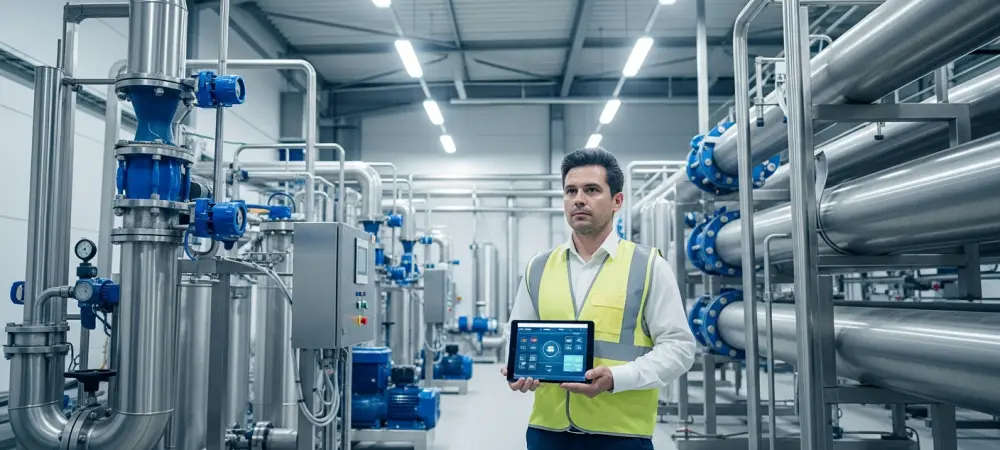
The fragility of modern industrial systems became alarmingly clear when hackers managed to manipulate the chemical levels of a municipal water treatment plant by exploiting a single exposed controller. This incident serves as a stark reminder that the digital bridges connecting critical physical infrastructure to the internet are often poorly guarded and highly susceptible to intrusion. Programmable Logic Controllers, or PLCs, act as the central nervous system for pumps and filtration systems, translating digital commands into physical actions that ensure safe drinking water for residents. However, as the drive for remote monitoring continues to grow, many of these devices are being connected directly to the public web without adequate security. The visibility of these assets on search engines like Shodan creates a roadmap for threat actors, turning essential public services into accessible targets for cybercriminals. This vulnerability represents a major risk to public health.
The Anatomy of Industrial Exposure: Why Controllers Remain Vulnerable
The primary driver behind the current vulnerability crisis is the persistence of legacy hardware that was never designed to interact with the global internet. Many PLCs in operation rely on aging protocols such as Modbus or EtherNet/IP, which lack native encryption or robust authentication mechanisms for access. When a utility provider connects these devices to a network to allow technicians to monitor levels from a remote tablet, they inadvertently open a door that lacks a traditional lock. Threat actors use automated scanning tools to identify devices that respond to industrial queries, often finding that default credentials have never been changed since installation. This technical debt, combined with a lack of specialized cybersecurity expertise within smaller municipal departments, creates a massive gap between the intended functionality of the water system and its actual security posture in an increasingly hostile digital landscape.
Furthermore, the convergence of Information Technology and Operational Technology has introduced complexities that many water districts are still struggling to manage. In the past, industrial control systems were physically isolated from corporate networks, a concept known as air-gapping, which provided a natural barrier against external threats. Today, the demand for real-time data analytics has eroded these boundaries, often leaving critical controls exposed through misconfigured firewalls or forgotten VPN tunnels. Once an attacker gains access to a PLC, the consequences can range from localized service disruptions to catastrophic changes in water chemistry, such as the dangerous elevation of sodium hydroxide levels. The ability to manipulate physical hardware from thousands of miles away represents a fundamental shift in the risk profile of public utilities, necessitating a departure from reactive maintenance toward a proactive security model.
Securing the Flow: Proactive Solutions for Critical Infrastructure
Addressing these systemic risks requires a comprehensive shift toward a zero-trust architecture that treats every connection request as a potential threat. Implementing multi-factor authentication for all remote access points is no longer an optional luxury but a fundamental requirement for maintaining the integrity of water treatment operations. Utilities must transition toward using secure industrial gateways that act as intermediaries, providing isolation between the PLC and the external network. These gateways can inspect incoming traffic for malicious commands and ensure that only authorized personnel can make changes to the operational logic of the controllers. Moreover, regular firmware updates and the replacement of end-of-life hardware are essential steps in closing the vulnerabilities that attackers exploit. By prioritizing the segmentation of networks, organizations can contain breaches and prevent a single compromised workstation from causing failure.
The path forward relied on a rigorous commitment to continuous monitoring and the establishment of clear incident response protocols tailored specifically for industrial environments. Effective water districts integrated behavioral analytics tools that established a baseline for normal operations, allowing them to detect anomalous PLC commands before they resulted in physical harm. Lawmakers and industry leaders collaborated to define stricter security standards, ensuring that federal funding for infrastructure was tied directly to the implementation of verified cybersecurity frameworks. Training programs for plant operators shifted to include digital literacy, empowering those on the front lines to recognize signs of unauthorized system interference. By treating cybersecurity as a core component of public safety rather than a separate IT concern, the industry moved toward a more resilient future. The focus remained on building redundant systems that could withstand digital probes while delivering water.