

Introduction
In an era where personal audio devices have become indispensable for work, travel, and leisure, choosing the right pair of headphones can feel like a daunting task with endless options flooding the market at various price points. The mid-range segment, in particular, is fiercely competitive, with brands striving to balance style, functionality, and sound quality for discerning buyers. This discussion focuses on a notable contender in this space, aiming to unpack whether this product delivers value that matches its cost. The objective here is to address common queries and concerns surrounding these on-ear wireless headphones, providing clear guidance for potential buyers. Readers can expect a thorough exploration of design, features, audio performance, and overall worth, helping to inform a well-rounded purchasing decision.
The scope of this article spans critical aspects that influence user satisfaction, from aesthetic appeal to practical usability in daily scenarios. By breaking down key questions, the goal is to offer actionable insights for those weighing their options in a crowded market. Whether the priority is portability for travel or a unique look for casual use, this piece aims to clarify what can be expected from a mid-range audio investment.
Key Questions or Key Topics
What Stands Out About the Design and Aesthetics?
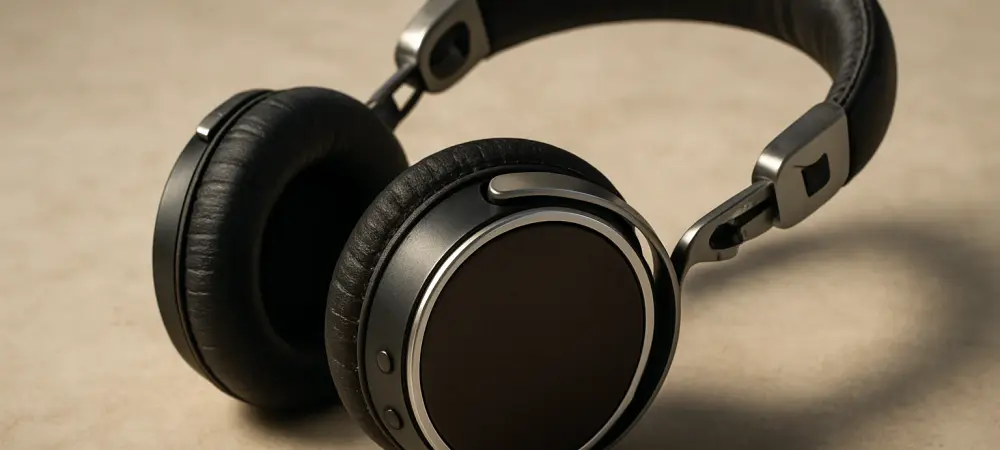
The design of these on-ear headphones immediately catches attention with a retro aviator-style look that differentiates them from the sea of over-ear models in the $200+ range. Available in black, brown, and cream colors, they cater to users seeking a distinct, vintage vibe that aligns with personal style. Their foldable structure enhances portability, making them easy to pack for trips, and they come with a soft travel case for added convenience.
Beyond appearance, comfort plays a significant role in their appeal. Plush ear cups and padded headbands, combined with adjustable yokes, accommodate various head sizes, ensuring a snug yet adaptable fit for long listening sessions. However, while the aesthetic suggests a high-end product, the build quality—a blend of metal and molded plastic—falls short of feeling truly premium, which might disappoint some expecting a more robust construction.
How Do Battery Life and Portability Perform for Everyday Use?
One of the strongest selling points is the exceptional battery life, offering over 60 hours of playback without active noise cancellation (ANC) and more than 40 hours with ANC enabled. This makes them a reliable choice for extended use, such as during long commutes or international flights, without the constant need for recharging. Additionally, a quick 15-minute charge delivers 15 hours of usage, a feature that proves invaluable for those on the go.
Portability is further enhanced by the compact, foldable design, setting them apart from bulkier competitors in the same category. This practicality suits users who prioritize convenience, especially when compared to larger models that can be cumbersome to carry. For travelers and daily commuters alike, this combination of long-lasting power and easy storage addresses key challenges in maintaining audio access throughout busy schedules.
What Features and Functionality Are Offered at This Price Point?
At a mid-range price of $229.99, these headphones come equipped with a commendable set of features tailored to modern needs. Support for lossless audio via Bluetooth 5.4, with aptX Lossless and aptX Adaptive codecs, ensures high-quality wireless streaming, alongside standard AAC and SBC options. Multipoint connectivity allows seamless switching between devices, a boon for multitasking users.
The companion app adds another layer of customization, enabling adjustments to controls, ANC, and transparency modes across three levels—low, medium, and high. While these modes are effective for on-ear designs, they don’t match the sophistication of flagship offerings from leading brands. Missing advanced capabilities like Dolby Atmos or head-tracking might be a drawback for tech enthusiasts, but for most casual users, the existing functionality offers sufficient versatility.
How Does the Sound Quality Measure Up to Expectations?
Audio performance is often the deciding factor for headphone purchases, and here, the results are a mixed bag. Described as “fun” and engaging, the sound profile appeals to those upgrading from budget options, particularly with a bass-heavy default tuning that suits genres like hip-hop or electronic music. Low latency also ensures no noticeable lag during video streaming, enhancing the media consumption experience.
However, for a brand renowned for audiophile-grade products, the lack of detail, clarity, and neutrality in sound is a noted shortfall. High frequencies can come across as harsh, and even with EQ adjustments to a more balanced setting, the audio doesn’t achieve the precision of higher-end models within the same lineup. This makes them more suitable for casual listeners than for those seeking critical listening experiences.
Is the Price Justified by the Overall Value?
Positioned at a mid-range cost, the value proposition of these headphones is considered fair, neither standing out as a steal nor feeling overpriced. When compared to pricier alternatives at around $400, they offer a more accessible entry point while still delivering on style and features. Against competitors closer to $200, they hold their own in terms of aesthetics and battery life, though audio performance doesn’t always lead the pack. The pricing reflects a product designed for lifestyle appeal rather than audiophile precision, catering to users who prioritize design and practicality over sonic excellence. This balance suggests that the cost aligns with the mixed performance, providing a reasonable investment for the target audience. Potential buyers must decide if the trade-offs in sound quality are acceptable given the strengths in other areas.
Summary or Recap
This exploration highlights several critical insights about these on-ear headphones, focusing on their strengths in design, battery life, and portability while acknowledging limitations in sound quality and build. Key takeaways include the impressive retro aesthetic paired with over 60 hours of battery life without ANC, making them a standout for travel and casual use. The feature set, including customizable ANC and lossless audio support, adds to their appeal at a mid-range price point.
The discussion also underscores that while audio performance is enjoyable for everyday listening, it lacks the finesse expected from a brand with a strong audiophile reputation. Value-wise, the pricing seems appropriate for the blend of style and functionality offered, targeting users who value practicality over top-tier sound. For those seeking deeper information, exploring comparisons with other models in the same price bracket or higher-end offerings from the same manufacturer can provide additional context for decision-making.
Conclusion or Final Thoughts
Looking back, the evaluation of these headphones revealed a product that carved a niche for itself through a unique blend of style and usability, even if it didn’t fully meet expectations in audio fidelity. The journey through their features painted a picture of a reliable companion for daily routines and travel, tailored for a specific audience. Reflecting on the balance of cost and performance, it became evident that personal priorities played a crucial role in determining their worth. Moving forward, potential buyers are encouraged to assess their needs against the strengths highlighted—considering if a striking design and long battery life outweigh the desire for pristine sound. A practical next step could involve testing them in-store to experience the fit and audio firsthand, ensuring alignment with individual preferences. For those intrigued by the brand’s offerings, exploring higher-tier models might offer the audio quality sought, while still retaining the signature aesthetic that sets this lineup apart.