
Are ASRock’s B650M Pro X3D Motherboards the Best for Ryzen X3D CPUs?

Article Highlights
Off On

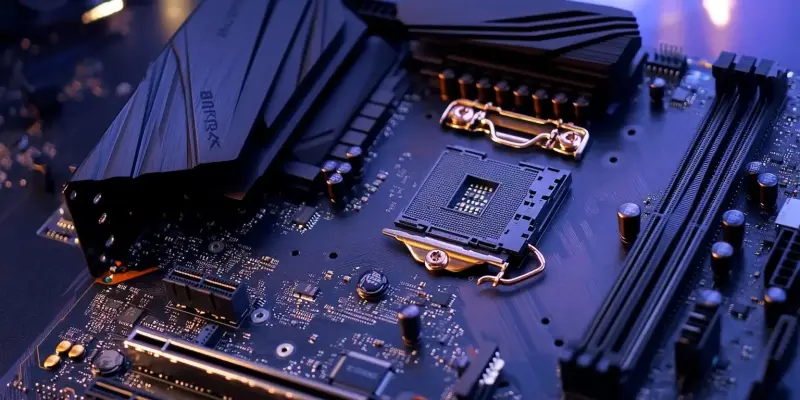
ASRock has introduced the B650M Pro X3D and B650M Pro X3D Wi-Fi motherboards, tailored for AMD Ryzen X3D processors, making them appealing to tech aficionados. Essentially revamped versions of the B650M PRO RS motherboards, these new models bring significant improvements and are anticipated to be priced under $148. The B650M Pro X3D features an 8+1+1 phase power stage setup, supporting four DDR5 DIMMs that can hit speeds up to 8000 MT/s when overclocked. Additionally, it includes a PCIe 5.0 x16 slot, ready for next-gen graphics cards, thus future-proofing systems seeking high performance.

Noteworthy in the B650M Pro X3D is its networking prowess, especially the 2.5GbE wired ethernet and optional Wi-Fi 6E with Bluetooth for its Wi-Fi counterpart. This is advantageous for gamers and content creators, guaranteeing better stability and performance with AMD Ryzen X3D processors. Additional connectivity features encompass multiple USB ports, Realtek 2.5G LAN, M.2 Bottom Heatsink support, and a handy BIOS Flashback feature, simplifying system updates and maintenance.

In gaming and content creation contexts, the ASRock B650M Pro X3D series offers a balance of functionality and affordability. Targeting users who need high performance within budget constraints, it stands out in the mid-range market. Its robust capabilities, modern connectivity, and advanced features enable optimal utilization of AMD Ryzen X3D CPUs. While the title of “Best” varies based on personal needs, the ASRock B650M Pro X3D series undeniably positions itself as a formidable contender in its class.

Explore more

CRM Efficiency and Maturity Drive Business Scalability

Many modern enterprises find themselves trapped in a paradoxical situation where a platform intended to fuel expansion actually becomes the primary bottleneck preventing long-term operational success. This “stagnation trap” typically occurs when a Customer Relationship Management (CRM) system remains static while the surrounding business environment undergoes rapid transformation. For technology-driven companies, the ability to pivot products and sales strategies is

What Is Driving Australia’s Hybrid Data Center Boom?

When a single contract for five hundred and fifty-five megawatts of power was finalized earlier this year, it effectively remapped the entire digital geography of the Australian continent overnight. This agreement, representing nearly forty percent of the nation’s total operating capacity from just twelve months ago, serves as a definitive marker for the end of the traditional colocation era. The

Power Access Overtakes Proximity for EMEA Data Centers

The long-standing geographic tether between massive data storage facilities and the bustling urban centers they serve has finally reached its breaking point as energy scarcity forces developers into the remote wilderness. Historically, digital real estate was defined by the proximity of servers to the users they supported, a strategy designed to shave milliseconds off latency and ensure seamless connectivity. However,

How Is AI Driving the Evolution of Modern Data Centers?

Hidden behind the glass screens of every smartphone and tablet lies a vast, humming landscape of concrete and silicon that consumes more power than entire nations to keep the digital age alive. While the average consumer experiences the internet as a weightless, invisible force, the physical reality is a sprawling network of windowless industrial facilities that form the backbone of

Speed Is the Strategic Imperative for 2026 Customer Service

The traditional concept of a customer service queue has evolved from a necessary administrative hurdle into a significant liability that can dismantle brand equity in a matter of minutes. In the current marketplace, the difference between a successful conversion and a lost prospect often hinges on the mere seconds it takes for a representative to acknowledge an inquiry. As digital