
Are ASRock’s B650M Pro X3D Motherboards the Best for Ryzen X3D CPUs?

Article Highlights
Off On

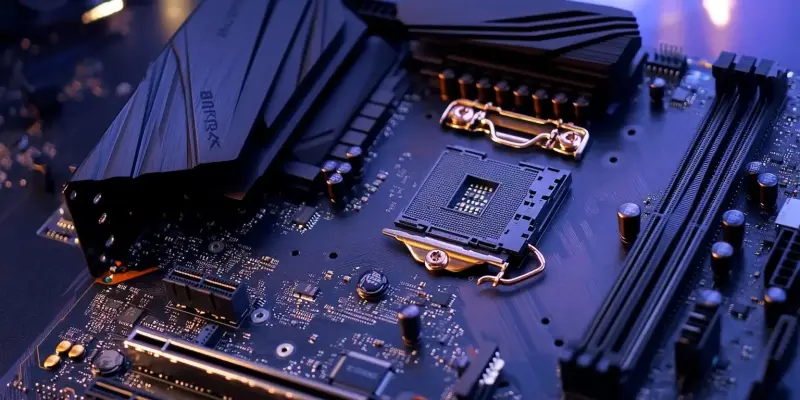
ASRock has introduced the B650M Pro X3D and B650M Pro X3D Wi-Fi motherboards, tailored for AMD Ryzen X3D processors, making them appealing to tech aficionados. Essentially revamped versions of the B650M PRO RS motherboards, these new models bring significant improvements and are anticipated to be priced under $148. The B650M Pro X3D features an 8+1+1 phase power stage setup, supporting four DDR5 DIMMs that can hit speeds up to 8000 MT/s when overclocked. Additionally, it includes a PCIe 5.0 x16 slot, ready for next-gen graphics cards, thus future-proofing systems seeking high performance.

Noteworthy in the B650M Pro X3D is its networking prowess, especially the 2.5GbE wired ethernet and optional Wi-Fi 6E with Bluetooth for its Wi-Fi counterpart. This is advantageous for gamers and content creators, guaranteeing better stability and performance with AMD Ryzen X3D processors. Additional connectivity features encompass multiple USB ports, Realtek 2.5G LAN, M.2 Bottom Heatsink support, and a handy BIOS Flashback feature, simplifying system updates and maintenance.

In gaming and content creation contexts, the ASRock B650M Pro X3D series offers a balance of functionality and affordability. Targeting users who need high performance within budget constraints, it stands out in the mid-range market. Its robust capabilities, modern connectivity, and advanced features enable optimal utilization of AMD Ryzen X3D CPUs. While the title of “Best” varies based on personal needs, the ASRock B650M Pro X3D series undeniably positions itself as a formidable contender in its class.

Explore more

How Firm Size Shapes Embedded Finance Strategy

The rapid transformation of mundane business platforms into sophisticated financial ecosystems has effectively redrawn the competitive boundaries for companies operating in the modern economy. In this environment, the integration of banking, payments, and lending services directly into a non-financial company’s digital interface is no longer a luxury for the avant-garde but a baseline requirement for economic viability. Whether a company

What Is Embedded Finance vs. BaaS in the 2026 Landscape?

The modern consumer no longer wakes up with the intention of visiting a bank, because the very concept of a financial institution has migrated from a physical storefront into the digital oxygen of everyday life. This transformation marks the definitive end of banking as a standalone chore, replacing it with a fluid experience where capital management is an invisible byproduct

How Can Payroll Analytics Improve Government Efficiency?

While the hum of a government office often suggests a routine of paperwork and protocol, the digital pulses within its payroll systems represent the heartbeat of a nation’s economic stability. In many public administrations, payroll data is viewed as little more than a digital receipt—a record of transactions that concludes once a salary reaches a bank account. Yet, this information

Global RPA Market to Hit $50 Billion by 2033 as AI Adoption Surges

The quiet hum of high-speed data processing has replaced the frantic clicking of keyboards in modern back offices, marking a permanent shift in how global businesses manage their most critical internal operations. This transition is not merely about speed; it is about the fundamental transformation of human-led workflows into self-sustaining digital systems. As organizations move deeper into the current decade,

New AGILE Framework to Guide AI in Canada’s Financial Sector

The quiet hum of servers across Canada’s financial heartland now dictates more than just basic transactions; it increasingly determines who qualifies for a mortgage or how a retirement fund reacts to global volatility. As algorithms transition from the shadows of back-office automation to the forefront of consumer-facing decisions, the stakes for oversight have never been higher. The findings from the