

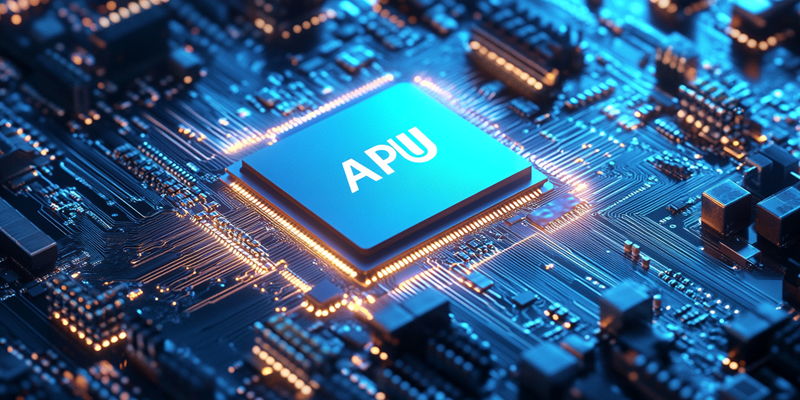
The landscape of high-end gaming laptops is undergoing rapid transformation, thanks to AMD’s persistent innovation. AMD has been a key player in pushing the envelope of what processors can achieve, and its latest offering, the Ryzen AI 300 “Strix” APUs, is no exception. Grounded in the robust Zen 5 architecture, these new APUs aim to redefine performance, efficiency, and productivity in gaming laptops. Today, we explore how the Ryzen AI 300 series is setting new standards and what it means for the future of high-end gaming and PC applications.
The newly announced Ryzen AI 300 “Strix” APUs are built on AMD’s Zen 5 architecture, bringing significant upgrades across performance, efficiency, and productivity specifically for gaming laptops. These APUs are designed with a strategic focus on integrating advanced AI capabilities to leverage the features of Windows 11. More than just incremental upgrades, these APUs represent a significant leap forward. They aim to provide gamers with the most seamless and immersive experience possible, thanks to their efficiency and powerful processing capabilities.
Advancements in AMD Ryzen AI 300 “Strix” APUs
Advances in the new Ryzen AI 300 series are not merely cosmetic; they bring fundamental changes under the hood. The chipset driver update, version 6.07.22.037, introduces notable improvements and new programs that enhance the functionality of these APUs. The latest driver version supports both Windows 10 and Windows 11 64-bit editions, demonstrating AMD’s commitment to providing a wide range of support to its user base. Nevertheless, a critical addition to this update is the inclusion of the AMD Interface Driver and the AMD PMF Ryzen AI 300 Series Driver. These drivers ensure comprehensive support for the new Strix Series, facilitating unrivaled performance and stability on Windows 11.
Equally noteworthy is the strategic focus on compatibility with Windows 11. The inclusion of AI-driven functionalities such as those promised by future updates like Copilot+ underscores the decision to tie the APU’s enhancements with the latest operating system from Microsoft. Apart from performance improvements, the chipset driver release addresses multiple bug fixes for individual drivers like the PT GPIO Driver, PSP Driver, USB4 CM Driver, and SF#0.1 Driver. These fixes collectively aim to improve user experience and operational stability. Known issues remain, such as challenges with Ryzen PPKG installation and some linguistic inconsistencies on non-English operating systems, but they do little to overshadow the overall advancements brought by these APUs.
Exclusive Windows 11 Compatibility
The exclusive compatibility of Ryzen AI 300 “Strix” APUs with Windows 11 speaks to a deliberate strategic move by AMD. This alignment reflects a concerted effort to integrate the unique features present in Windows 11, thus maximizing the potential of these APUs. Future AI-driven functionalities, such as Copilot+ and other advanced features, promise to further extend the capabilities of these processors. This symbiotic relationship between hardware and software ensures that users experience seamless functionality and cutting-edge performance.
Despite addressing multiple bug fixes with the recent chipset driver update, there are lingering issues that AMD is actively working to resolve. Problems relating to Ryzen PPKG installation or upgrades, erroneous uninstallation statuses, and linguistic inconsistencies on non-English operating systems are among the known issues. While these glitches are not insignificant, the release primarily brings substantial improvements that elevate user experience. The exclusive focus on Windows 11 compatibility signals AMD’s commitment to driving AI innovations within the latest ecosystem designed by Microsoft, setting the stage for modern computing platforms.
Market Reception and Adoption
The market reception of the Ryzen AI 300 “Strix” APUs has been overwhelmingly positive, with major laptop manufacturers such as HP, ASUS, and MSI quickly embracing the new technology. These manufacturers are integrating the Strix APUs into their latest high-end gaming laptops, underscoring the significance of these advancements in the gaming industry. For instance, HP’s OmniBook Ultra, featuring the Ryzen AI 300 “Strix” APUs, promises up to 55 tera operations per second (TOPS) of neural processing unit (NPU) performance. Such a leap indicates significant advancements in AI capabilities, translating to enhanced gaming and productivity performance.
The broader acceptance of AMD’s new processors is evident in the company’s financial performance. AMD’s data center revenues have seen a surge of 115%, indicative of the market’s trust and acceptance of their AI-driven products. This spike in revenue not only reflects the success of AMD’s current offerings but also underscores the company’s growing influence within the AI and processing sectors. It’s a trend that points to a promising future for the Ryzen AI 300 “Strix” APUs and creates a positive market trajectory for subsequent iterations.
Broader Market Trends and Future Prospects
The high-end gaming laptop market is experiencing a swift evolution, largely due to AMD’s relentless drive for innovation. A critical player in advancing processor capabilities, AMD’s latest release, the Ryzen AI 300 “Strix” APUs, exemplifies their commitment. Rooted in the robust Zen 5 architecture, these APUs are poised to redefine performance, efficiency, and productivity within gaming laptops. Today, we delve into how the Ryzen AI 300 series is setting new benchmarks and what this signifies for the future of high-end gaming and PC applications.
The freshly unveiled Ryzen AI 300 “Strix” APUs leverage AMD’s Zen 5 architecture to deliver substantial improvements in performance, efficiency, and productivity for gaming laptops. They are crafted with a strategic focus on integrating advanced AI functionalities to fully exploit Windows 11 features. Far from mere incremental upgrades, these APUs herald a significant leap forward. Their cutting-edge efficiency and robust processing power aim to offer gamers a seamless and immersive experience, setting an entirely new standard in the realm of high-end gaming laptops.