

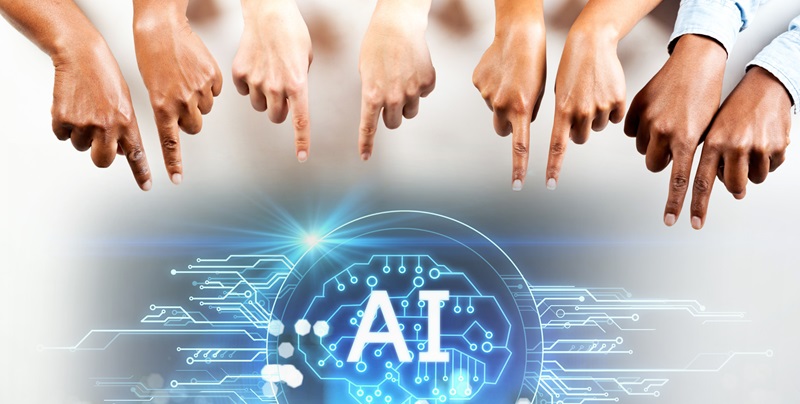
As the rapid advancements in Artificial Intelligence (AI) continue to reshape industries and job markets, a compelling debate ensues: Are AI specialists gradually replacing generalists? This article explores the evolving influence of AI on professional roles, weighing the merits and challenges faced by both specialists and generalists. The increasing integration of AI into various sectors has given rise to a greater need for deep domain expertise, altering traditional job structures and prompting a closer examination of the roles of AI specialists and generalists.
The Rise of AI Specialists
The demand for AI specialists is burgeoning across various sectors, significantly altering traditional job structures. Industries such as healthcare, finance, and law are increasingly leveraging AI expertise to drive innovation and efficiency. For instance, AI applications in healthcare include advanced disease diagnosis and personalized treatment plans. Similarly, AI is revolutionizing market predictions in finance by processing vast amounts of data with unprecedented precision. Professionals with deep knowledge of machine learning, data science, and AI programming are at the forefront of these transformations. Their ability to create and manage sophisticated systems makes them indispensable. Companies are investing heavily in acquiring and retaining AI specialists, recognizing that their targeted skills are crucial for competitive advantage.
Specialists bring to the table a level of precision and technical prowess that is vital for developing AI-driven solutions tailored to specific industry needs. For example, in the legal sector, AI specialists create algorithms capable of analyzing massive amounts of case law to predict legal outcomes and streamline research. In banking, specialists use AI to detect fraud by identifying patterns and anomalies in transaction data. Such domain-specific applications of AI underscore the necessity of specialized skills that go beyond general understanding. This phenomenon is reshaping job markets, creating a premium on roles that once required broader capabilities but now demand specialized, highly targeted expertise.
Advantages of Specialization
Specialists enjoy several distinct advantages in today’s job market. Their deep domain expertise facilitates the development of precise and effective AI solutions. For example, a specialist working in the legal industry can tailor AI algorithms to streamline case research and predict legal outcomes accurately. Moreover, job security for AI specialists is relatively high. With AI systems becoming more integral to complex decision-making processes, specialists’ roles are not easily replaced. This security is accompanied by attractive compensation packages, reflecting the high demand for niche skills. The specialist pathway fosters continuous learning and mastery of cutting-edge technologies. Professionals who excel in their specific fields are likely to lead groundbreaking projects, further solidifying their value within their organizations.
Furthermore, the specialist’s capacity for in-depth problem-solving allows them to engage in advanced roles that generalists might find challenging to navigate. For instance, an AI specialist in healthcare might work on developing machine learning models that predict patient outcomes based on genetic information, a task requiring profound expertise and understanding of both AI technology and medical science. This kind of specialization not only empowers industries to innovate but also ensures that professionals in these fields are irreplaceable assets to their organizations. Their ability to integrate advanced AI solutions into the core functions of their sectors makes them invaluable, leading to high job satisfaction and professional growth opportunities.
Challenges for Generalists
While specialists thrive, generalists face notable challenges. Many traditional tasks performed by generalists, such as data analysis and project management, are increasingly automated by AI. This shift can lead to reduced demand for generalists in certain roles. Moreover, the rapid pace of AI development means that generalists must continually update their skills to remain relevant. Flexibility, while an asset, may not suffice against the specialized efficiency offered by AI systems. Consequently, generalists might struggle to maintain their footing in a landscape prioritizing deep expertise.
The automation of routine tasks like report generation, customer service, and even aspects of human resources management by AI technologies demonstrates the declining necessity for generalist skill sets in those areas. Generalists, who traditionally excel by having a broad understanding of multiple domains, now find themselves outpaced by AI’s ability to perform these tasks more efficiently and accurately. As a result, generalists must navigate an increasingly competitive job market, continually seeking additional training and certifications to keep up with technological advancements. This ongoing need for adaptation can be both professionally and personally taxing, as the pace of change in AI technologies shows no signs of slowing down.
Value of Generalists
Despite these challenges, generalists bring irreplaceable qualities to the table. Their broad skill sets enable them to navigate multiple disciplines and seamlessly integrate diverse insights. This versatility fosters creativity and innovative problem-solving, essential for driving holistic solutions. Generalists’ adaptability is another key advantage. In dynamic environments, their ability to quickly learn and apply new concepts ensures that they can respond effectively to shifting industry trends. For instance, a generalist might pivot between project management, user experience design, and data interpretation, providing valuable cross-functional perspectives. Furthermore, generalists often excel in leadership and managerial roles. Their comprehensive understanding of various functions enables them to align AI initiatives with broader organizational goals, ensuring cohesive and strategic implementation.
Moreover, the integrative approach of generalists enhances collaborative efforts within organizations. By bridging gaps between specialized teams, generalists contribute to the synthesis of multi-faceted projects that require insights from different fields. For example, in a technology company, a generalist could coordinate efforts between software developers, marketing strategists, and user experience designers to launch a product that meets technical standards and market demands. Additionally, generalists’ problem-solving skills are often rooted in their broad experience, allowing them to identify unconventional solutions across diverse scenarios. This capacity to innovate and lead multidisciplinary initiatives underscores the sustained relevance of generalists even amidst the rise of AI specialization.
Balancing Specialization and Versatility
The future job market may not be a zero-sum game between specialists and generalists. Instead, a balanced approach that values both deep specialization and broad versatility is emerging. Organizations are increasingly recognizing the need for a hybrid skill set to maximize the benefits of AI integration. For instance, teams comprising both AI specialists and generalists can leverage their complementary strengths. Specialists can focus on the technical intricacies of AI deployment, while generalists can oversee the strategic alignment and cross-disciplinary coordination. This synergy enhances overall productivity and innovation.
Individuals may also consider developing a T-shaped skill set, where they possess deep expertise in one area (the vertical bar of the "T") while maintaining broad-based knowledge across other relevant fields (the horizontal bar). This approach can provide a competitive edge, allowing professionals to adapt and thrive in an AI-driven workplace. For example, an AI specialist with generalist skills might not only develop robust algorithms but also understand user needs and business implications, thus creating more holistic solutions. Conversely, a generalist with specialized knowledge might play a pivotal role in translating complex technical jargon into actionable business strategies, thus bridging gaps within the organization.
The interplay between specialization and generalization can cultivate a dynamic and resilient workforce capable of addressing both specific technical challenges and overarching strategic goals. Companies that embrace this balanced approach are likely to be more agile and innovative, harnessing the full spectrum of human potential in conjunction with advanced AI technologies. This equilibrium is not only beneficial for individual career growth but also essential for organizational success in an increasingly AI-integrated world.
Conclusion
As advancements in Artificial Intelligence (AI) continue to transform industries and job markets, a compelling debate has emerged: Are AI specialists gradually taking over the roles traditionally held by generalists? This discussion centers on how AI is reshaping professional roles and the growing need for deep expertise in specific domains. The increasing integration of AI across various sectors has resulted in a higher demand for specialized skills, leading to changes in job structures and responsibilities.
AI specialists are becoming crucial due to their ability to design, develop, and optimize AI systems. Their deep understanding of machine learning algorithms, data analysis, and programming allows them to create solutions that generalists might not be able to achieve. However, this shift raises questions about the future role of generalists. Can generalists, with their broad skill sets and ability to adapt across different fields, maintain their relevance in an AI-driven world?
While AI specialists bring valuable technical skills, generalists offer a holistic perspective, often excelling in project management, strategic planning, and problem-solving across diverse areas. The challenge lies in finding a balance where both specialists and generalists can collaborate effectively. As AI continues to evolve, the interplay between these roles will shape the future job market, emphasizing the importance of both deep expertise and versatile, broad-based knowledge in adapting to new technological landscapes.