

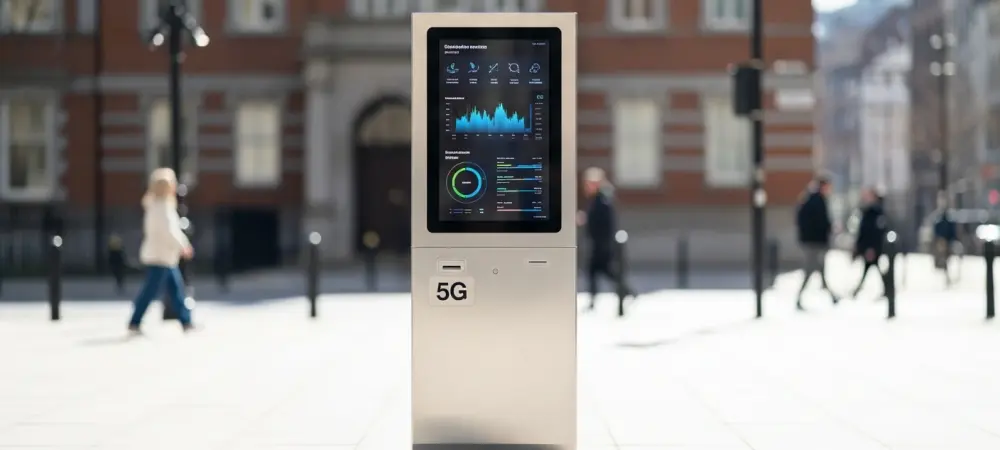
The rapid expansion of high-speed telecommunications infrastructure often encounters significant resistance when sleek digital kiosks clash with the traditional architectural heritage of historic British city centers. In Salisbury, a recent proposal by BT to install a multifunctional 5G Street Hub on Devizes Road has sparked an intense debate regarding the balance between technological utility and urban aesthetics. The City Council recently voted unanimously to object to the installation, signaling a firm stance against what they perceive as an encroachment on the city’s visual character. These hubs are marketed as modern replacements for outdated payphones, offering a suite of services including free gigabit Wi-Fi, rapid USB charging ports, and direct access to emergency services. Furthermore, the units are equipped with environmental sensors designed to monitor air quality and traffic noise levels, providing local authorities with data intended to support future sustainability goals from 2026 to 2030. Despite these integrated benefits, the council remains unconvinced that such hardware belongs in a sensitive residential area.
The Conflict of Modern Utility and Historic Integrity
Councilors expressed significant concerns that approving a single unit on Devizes Road could represent the thin edge of the wedge, potentially leading to a widespread proliferation of digital advertising across the municipality. This fear is rooted in the observation of similar rollouts in other cities where the density of digital kiosks has increased significantly over short periods. Local officials argued that the primary motivation behind these installations is often the revenue generated from large-scale digital displays rather than the public services they provide. Furthermore, the specific placement on Devizes Road was criticized for its potential to distract motorists, raising safety concerns on a busy arterial route. There is also a worry that these units attract antisocial behavior, a trend noted in municipalities like Swindon, where such hubs became magnets for loitering. By prioritizing the preservation of the local streetscape, the council is challenging the narrative that digital connectivity must come at the cost of community order and visual tranquility.
Shaping the Future of Smart City Infrastructure
The final determination for the Devizes Road hub rested with Wiltshire Council, which weighed the commercial and technological ambitions of BT against the expressed will of the local community. This conflict demonstrated that urban planners needed to develop more robust frameworks for the integration of smart technology that respected the unique identities of historic districts. Instead of standardized kiosks, officials considered more discreet methods of delivering 5G connectivity and environmental monitoring through existing street furniture or integrated building designs. Collaborative efforts between telecommunications providers and local governments prioritized aesthetic harmony and genuine public need over advertising revenue. This situation highlighted the necessity for clearer guidelines on how digital infrastructure evolved within public spaces from 2026 through the end of the decade. Successful smart city strategies required a more nuanced approach that balanced connectivity with the preservation of cultural heritage and public safety.