

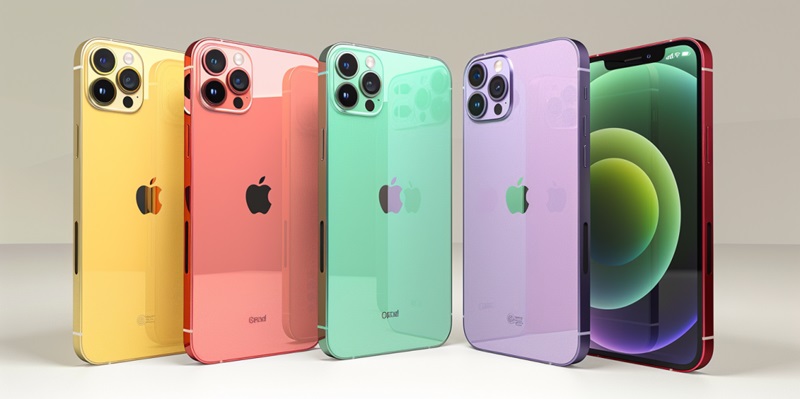
The tech industry buzzes with anticipation as Apple readies the introduction of its iPhone 16 series, expected to make a striking splash in the smartphone market come this September. Apple aficionados and tech enthusiasts are particularly intrigued by rumors of the colorful palette and expanded screen sizes in the new lineup. If the speculation holds true, the technology giant may offer a refreshing take on its flagship product, attempting to entice both loyal customers and new consumers alike with a blend of aesthetic allure and functional enhancements.
Fresh Color Options to Pique Consumer Interest
The iPhone 16 series is poised to ignite consumer excitement with an array of new and revitalized color options. Envision the regal hues of the Pro models, which are expected to incorporate four distinct shades: the timeless elegance of classic black and white (or silver), a sophisticated gray, and the entrancing new rose, a potential crowd-pleaser set to replace the iPhone 15’s midnight blue. This move signifies more than a mere cosmetic shift; it’s a strategic play to reflect current design trends and personal style choices, whereby color becomes an extension of the user’s identity.
The discussion surrounding the base models, the iPhone 16 and iPhone 16 Plus, features a palette potentially comprising black, white, green, rose, and blue. Intriguingly, the pastel warmth of yellow from the iPhone 15 range seems to have been omitted, suggesting a recalibration of Apple’s color strategy. These changes could trigger debates over environmental implications, given the production implications and waste considerations linked to the fast-paced release of new models. Moreover, forecasting demand for these hues presents logistical challenges, but the shimmering potential of these colors might just be enough to captivate the market.
Speculation on Size and Technological Advancements
The tech world is abuzz as Apple gears up to unveil the much-anticipated iPhone 16 series this September. Expected to be a game-changer in the smartphone arena, the upcoming release has piqued the interest of both Apple loyalists and tech-savvy users. Leaks and rumors suggest the new lineup will feature a vibrant array of colors and larger screen options, signaling a significant departure from Apple’s traditional aesthetic. This strategic move seeks to captivate a broader audience by injecting freshness into the design while concurrently upgrading the technical specifications. With these rumored enhancements, Apple aims to uphold its reputation for innovation and quality, and the iPhone 16 series could redefine the modern smartphone experience. The tech giant’s strategy appears to be a calculated endeavor to boost appeal and maintain its competitive edge, by catering to diverse consumer preferences and staying at the forefront of smartphone technology.