

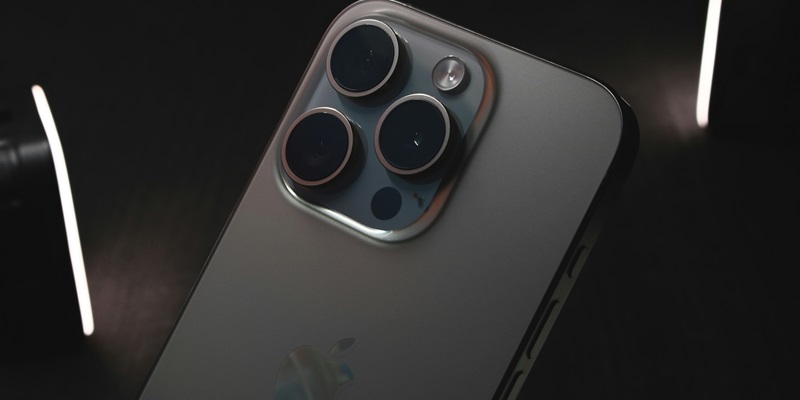
In a recently leaked unboxing video of Apple’s newly launched iPhone 16 Pro, shared by tipster Majin Bu on Twitter, Apple showcases its continued commitment to eco-conscious initiatives. This brief but insightful video underscores the company’s dedication to minimalistic packaging, revealing that the new iPhone 16 Pro lacks accessories such as EarPods and a charging brick—items that were removed nearly four years ago. Apple has now taken further steps, eliminating even the Apple Stickers and physical paperwork, including the SIM-eject tool and user booklets. This shift signifies a notable evolution in Apple’s packaging approach, paralleling similar practices adopted for the iPad Pro in recent releases.
Key Features of the iPhone 16 Pro Series
The iPhone 16 Pro and 16 Pro Max distinguish themselves with several advanced features. Both models have larger screens, offering an enhanced visual experience that complements their aesthetic design. Battery life has also seen significant improvements, enabling longer use times without frequent recharging. The cameras on both models have received upgrades, now offering consistent high-quality performance across the Pro lineup. These devices are powered by Apple’s new A18 Pro SoC, whose leaked benchmarks suggest performance capabilities on par with the notable M1 chip used in some of Apple’s other premium devices.
Users can expect the iPhone 16 Pro to support Apple’s forthcoming artificial intelligence (AI) tools, positioning this model as a significant upgrade in the iPhone’s evolution. The expected integration of AI tools hints at advanced functionalities, potentially revolutionizing how users interact with their devices. This strategic enhancement not only boosts the device’s capabilities but also aligns with the growing trend of AI integration in modern technology. As the iPhone 16 series pre-orders commenced, anticipation builds up with deliveries expected by the end of the month.
Market Reception and Environmental Goals
In a recent unboxing video leaked by tipster Majin Bu on Twitter, Apple’s latest release, the iPhone 16 Pro, showcases the company’s strong commitment to environmental sustainability. This short but revealing video highlights Apple’s dedication to reducing waste and embracing minimalistic packaging. The new iPhone 16 Pro comes without traditional accessories like EarPods and a charging brick, a trend Apple started almost four years ago. Going even further, Apple has now removed additional items such as the Apple Stickers, physical paperwork, the SIM-eject tool, and user booklets. This shift represents a significant evolution in Apple’s approach to packaging, aligning with similar minimalistic practices applied to recent iPad Pro releases. By removing non-essential items, Apple aims to cut down on electronic waste and reduce its environmental footprint, reinforcing its role as a leader in eco-friendly initiatives within the tech industry. This concerted effort mirrors a broader trend in consumer electronics towards sustainability and thoughtful resource management.