

Introduction
Apple has finally reached a pivotal moment where its long-anticipated entry into the foldable smartphone market depends on mastering the intricate intersection of 3D printing and material science. Rather than rushing a device to market during the early stages of the industry, the company chose to refine its engineering to address the persistent issue of display creasing. This article explores how advanced manufacturing and specialized glass technologies are being used to create a seamless user experience that meets the brand’s premium standards.
The primary objective is to clarify the technological choices behind the rumored iPhone Fold or iPhone Ultra. Readers will gain insight into the sophisticated hinge mechanisms and display layers that define this new era of mobile hardware. By examining current supply chain data and manufacturing trends, the scope of this discussion covers both the mechanical innovations and the market strategy driving the device’s debut.
Key Questions or Key Topics Section
How Does 3D Printing Technology Eliminate the Visible Screen Crease?
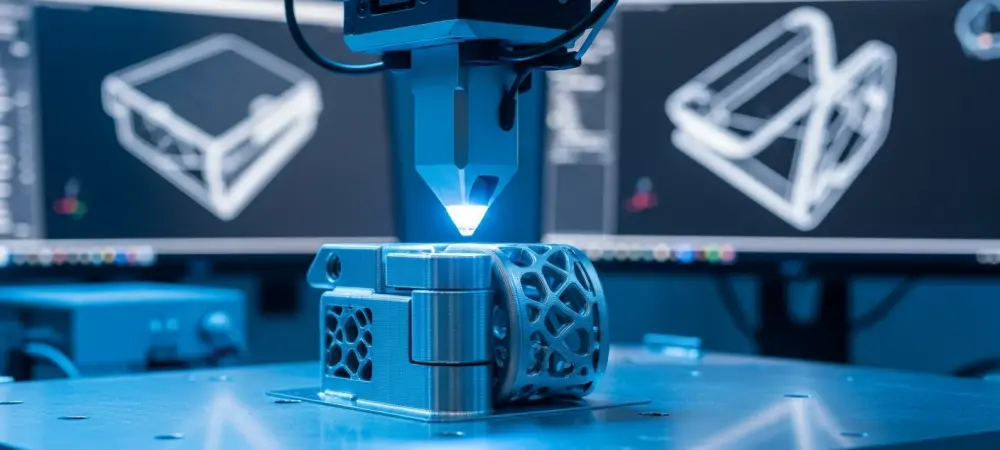
The strategic use of additive manufacturing allows for the creation of hinge components with complex internal geometries that are difficult to achieve through traditional milling. By leveraging its experience with 3D-printed cases for the Apple Watch, the company has developed a hinge assembly that distributes mechanical stress more evenly across the folding point. This precision ensures that the display remains flat when opened, effectively minimizing the indentation that often plagues current foldable models.
Moreover, this approach mirrors emerging trends seen in competitors like Oppo, where specialized materials are utilized to achieve a zero feel surface. By using 3D printing, Apple can iterate on designs more quickly and produce parts that are both lighter and more durable than cast metal alternatives. This technological pivot focuses specifically on solving the aesthetic and tactile flaws of foldable screens, ensuring a seamless transition between the folded and unfolded states.
What Role Do Ultra Thin and Ultra Flexible Glass Play in Durability?
The structural integrity of the upcoming device relies on a sophisticated dual-layer glass construction that combines Ultra Thin Glass and Ultra Flexible Glass. This specialized configuration is engineered to shield the delicate display panel from the friction and pressure generated by the mechanical hinge. While flexible OLED panels are inherently soft, this hybrid glass layer provides the necessary rigidity for a premium touch experience without sacrificing the ability to fold repeatedly.
This protective barrier significantly reduces physical stress on the internal components, which enhances the long-term reliability of the screen. By separating the hinge mechanism from the display panel with these advanced materials, Apple mitigates the risk of micro-cracks and display failure. The integration of these glass types ensures that the phone can withstand years of daily use while maintaining the visual clarity expected from high-end electronics.
Why Is the Massive Order of Samsung Display Panels Significant?
A massive order of twenty million foldable panels from Samsung Display indicates a high level of confidence in the market potential for a foldable iPhone. Such a large-scale procurement suggests that the company is preparing for a significant global rollout rather than a limited experimental release. This volume ensures that the production lines remain steady as the device moves toward its official launch in late 2026.
The partnership with Samsung Display allows Apple to leverage the most advanced screen technology currently available while applying its own proprietary hinge and glass requirements. Securing this volume of specialized components also prevents potential supply shortages that could hinder the success of a new product category. This commitment signals that the company is ready to dominate the foldable segment by ensuring both hardware quality and sufficient stock for the consumer market.
Summary or Recap
The shift toward foldable technology involves a meticulous blend of 3D printing and advanced material science to overcome the physical limitations of flexible displays. Apple’s integration of additive manufacturing for the hinge assembly reflects a commitment to solving the crease issue through superior mechanical design. Combined with a dual-layer glass system, the hardware is designed to offer a durable and visually seamless experience that sets it apart from earlier iterations in the market.
Conclusion or Final Thoughts
The decision to utilize 3D printing for critical mechanical components set a new standard for precision in the mobile industry. This move allowed for a more robust entry into the foldable market, where physical durability had previously been a major concern for early adopters. As the ecosystem evolved, the focus shifted from merely making a screen fold to ensuring that the technology felt as natural and reliable as a traditional smartphone. Users should consider how these structural improvements will impact the longevity of their devices as the boundary between phones and tablets continues to blur.