
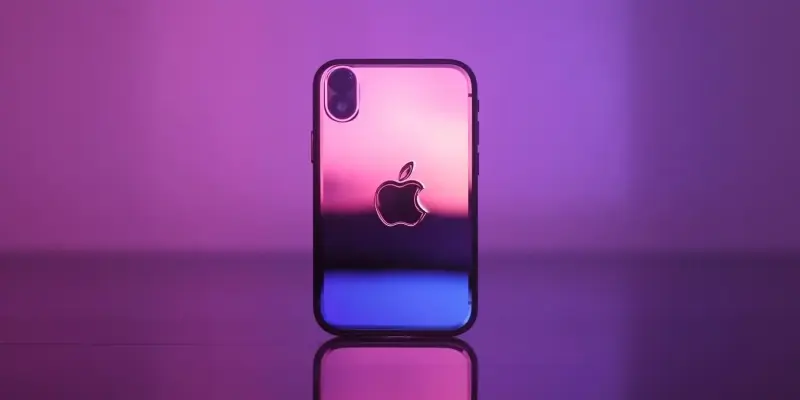
Apple Unveils iPhone 16e: Mid-Range in Price, High-End in Features

Article Highlights
Off On

Apple has recently introduced the iPhone 16e, positioning it as a mid-range smartphone while equipping it with several high-end features that make it stand out in the crowded market. Priced at $600 for the 128GB model, the price point of the iPhone 16e might challenge the “mid-range” label, especially when compared to the earlier iPhone SE, which started at a noticeably lower $430. The iPhone 16e, however, justifies its price by combining robust iPhone 16 hardware, including a binned Apple A18 chip and a superior 48MP main camera, within an iPhone 14-style body adorned with a 6.1-inch 60Hz OLED display and Face ID without Touch ID. The design results in a device that is not only bigger than both the SE and the now-discontinued mini but also offers a premium feel at a more accessible price point.

Strategic Feature Allocation and Market Position

The iPhone 16e is notable for its integration of Apple Intelligence, a feature distinguishing it from the iPhone 15. Priced starting at $700, the iPhone 15 offers a bundle of features including a Dynamic Island display, a brighter screen, an ultra-wide camera, ultra-wideband (UWB) for smart tags, and improved MagSafe support. Starting at $800 for 128GB, the regular iPhone 16 presents another appealing option for consumers. Apple’s strategic feature allocation has contributed to a mixed reception for the iPhone 16e. Despite its advanced AI capabilities and robust feature set, some consumers are hesitant due to the device’s size and price, leading some to opt for older models instead.

Overall, the iPhone 16e is an intriguing mid-range device offering high-end features at a relatively accessible cost, yet it faces competition from similarly priced alternatives with diverse feature sets. Apple’s product positioning and unique features for each model are significantly affecting consumer preferences and market dynamics. As the iPhone 16e hits the market, it will be interesting to watch how consumer behavior shifts and how Apple responds to these changes in demand.

Explore more

Essential Real Estate CRM Tools and Industry Trends

The difference between a record-breaking commission and a silent phone line often comes down to a window of less than three hundred seconds in the current fast-moving property market. When a prospect submits an inquiry, the psychological clock begins ticking with an intensity that few other industries experience. Research consistently demonstrates that professionals who manage to respond within those first

How inDrive Scaled Mobile Engineering With inClean Architecture

The sudden realization that a single line of code has triggered a cascade of invisible failures across hundreds of application screens is a nightmare that keeps many seasoned mobile engineers awake at night. In the high-velocity environment of global ride-hailing and multi-vertical tech platforms, this scenario is not just a hypothetical fear but a recurring obstacle that threatens the very

How Will Big Data Reshape Global Business in 2026?

The relentless hum of high-velocity servers now dictates the survival of global commerce more than any boardroom negotiation or traditional market analysis performed in the past decade. This shift marks a definitive moment in industrial history where information has moved from a supporting role to the primary driver of value. Every forty-eight hours, the global community generates more information than

Content Hurricane Scales Lead Generation via AI Automation

Scaling a digital presence no longer requires an army of writers when sophisticated algorithms can generate thousands of precision-targeted articles in a single afternoon. Marketing departments often face diminishing returns as the demand for SEO-optimized content outpaces human writing capacity. When every post requires hours of manual research, scaling becomes a matter of headcount rather than efficiency. Content Hurricane treats

How Can Content Design Grow Your Small Business in 2026?

The digital marketplace of 2026 has transformed into a high-stakes environment where the mere act of publishing information no longer guarantees the attention of a sophisticated and increasingly skeptical global consumer base. As the volume of digital noise reaches an all-time high, small business owners find that the traditional methods of organic reach and standard social media updates have lost