

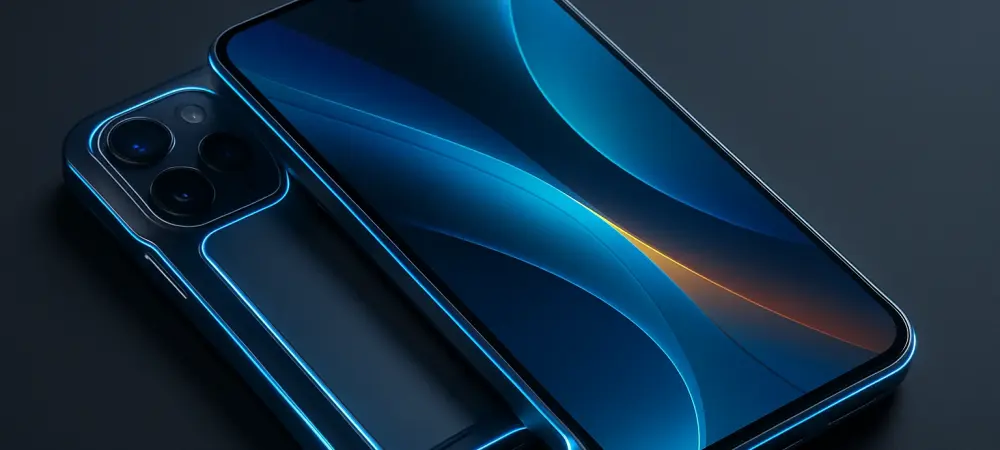
Imagine a smartphone landscape where innovation seems to plateau, yet one tech giant stands ready to shatter expectations with a radical redesign of its iconic device. Apple, a name synonymous with cutting-edge technology, has unveiled a transformative plan for its iPhone lineup spanning from 2025 to 2027. This roundup dives into diverse perspectives from industry analysts, tech enthusiasts, and design experts to explore what these ambitious changes mean for consumers and the broader market. The purpose here is to synthesize varying opinions on Apple’s strategy, from slimmer designs to foldable technology, and a milestone redesign, offering a comprehensive look at what lies ahead.
Unpacking the Multi-Year iPhone Transformation
A Slimmer Start with the iPhone 17 Air
This year, Apple introduced the iPhone 17 Air, a device heralded for its ultra-slim profile but sparking debate over its compromises. Industry observers note that the reduced battery life and lack of a physical SIM slot have raised eyebrows among users who prioritize functionality over aesthetics. Many see this as a risky move, questioning whether the sleek design justifies the trade-offs for everyday usability.
On the flip side, design-focused analysts praise the nostalgic “bumper case” style, reminiscent of earlier iPhone models, as a clever nod to heritage while protecting the device’s edges. There’s also buzz around Apple’s shift to an in-house modem chip, with some tech insiders suggesting this could pave the way for greater control over hardware integration. However, skepticism persists about whether this change might impact performance compared to previous chipsets from established suppliers.
A third viewpoint emerges from consumer feedback forums, where excitement for a lighter, more portable device clashes with concerns over durability and long-term value. This divide highlights a broader tension: balancing innovation with practicality. As discussions unfold, the consensus seems to lean toward cautious optimism, with many waiting to see how real-world usage shapes opinions.
Folding into the Future: The 2026 Foldable iPhone
Looking ahead to next year, anticipation builds around Apple’s rumored foldable iPhone, codenamed V68, with its book-style design that transforms into a mini tablet. Tech reviewers with early insights describe the four-camera setup as a game-changer, potentially redefining mobile photography and video capabilities. Yet, there’s a split in opinion about adopting Touch ID over Face ID, with some seeing it as a step backward in security convenience.
Competitive analysis from market watchers points to Apple’s late entry into the foldable arena as both a challenge and an opportunity. While brands like Samsung have already captured significant market share, several experts argue that Apple’s brand loyalty and ecosystem could quickly close the gap. The practical appeal of a versatile device is undeniable, but concerns linger about durability and pricing in a segment still proving its mainstream viability.
Another angle comes from user experience specialists who emphasize the potential lifestyle impact of a foldable device. They suggest it could cater to multitaskers and content creators, offering a seamless shift between phone and tablet modes. Nevertheless, warnings about untested technology and possible software glitches temper enthusiasm, with many advising a wait-and-see approach before fully embracing this innovation.
A Milestone Redesign: The iPhone 20 in 2027
Fast forward to 2027, and Apple plans to mark the iPhone’s 20th anniversary with a complete redesign, tentatively dubbed the iPhone 20, featuring curved glass and a striking “Liquid Glass” aesthetic in its operating system. Design critics are already buzzing, with many calling this a bold departure that could set new industry standards. Some speculate it might influence global smartphone trends, pushing competitors to rethink form factors.
Differing opinions arise on how this redesign will resonate across markets. Analysts focused on international trends suggest that regional preferences for size, materials, or software features could lead Apple to tailor variations for specific demographics. Others, however, caution that unconfirmed features might overhype expectations, urging consumers to temper excitement until official details emerge.
A unique perspective from tech historians frames this move as Apple’s refusal to play it safe, a stark contrast to past incremental updates. They argue that such a visionary redesign could redefine consumer expectations, much like the original iPhone did two decades ago. The debate centers on whether this gamble will solidify Apple’s dominance or risk alienating users accustomed to familiar designs.
Strategic Themes and Design Balance
Across these planned releases, a recurring theme in expert commentary is Apple’s push for differentiation through form and function. Industry strategists highlight how the progression from a slimmer model this year to foldable tech next year, culminating in a landmark redesign in 2027, reflects a calculated effort to refresh the brand. This approach, they note, aims to address design stagnation while maintaining core elements of user familiarity.
Comparisons to past launches reveal a pattern of balancing bold moves with practical choices, according to tech commentators. They point out that while Apple often pioneers trends, it also ensures accessibility through its ecosystem, a factor likely to anchor these innovations. Some suggest this strategy could spark new accessory markets, such as specialized cases for foldable devices or slim designs, expanding revenue streams.
A speculative viewpoint from market trend analysts explores how these changes might ripple through Apple’s broader offerings. Potential shifts in compatibility with wearables or software updates are flagged as areas to watch. This perspective underscores the interconnected nature of Apple’s product lineup, hinting at a holistic transformation beyond just the iPhone itself.
Key Takeaways from Diverse Perspectives
Synthesizing the range of opinions, Apple’s roadmap from 2025 to 2027 stands out for its ambition, with the iPhone 17 Air setting a minimalist tone this year, the foldable V68 promising versatility in 2026, and the iPhone 20 aiming to redefine design standards in 2027. Tech enthusiasts and investors are advised to monitor how Apple navigates user feedback on early compromises while scaling up to groundbreaking form factors. Staying informed through industry updates or engaging with community discussions can help anticipate shifts in device features or ecosystem integration.
Reflecting on a Transformative Journey
Looking back, the discussions surrounding Apple’s iPhone overhaul revealed a spectrum of anticipation and caution among experts and users alike. The varied insights underscored a shared recognition of Apple’s intent to lead through innovation, even as practical concerns tempered some of the excitement. Moving forward, a key step for stakeholders is to closely observe real-world performance and market reception of each release. Exploring complementary resources, such as tech forums or in-depth reviews, can provide deeper clarity on how these changes reshape consumer technology. Ultimately, tracking Apple’s execution of this vision offers a window into the evolving dynamics of mobile innovation.