

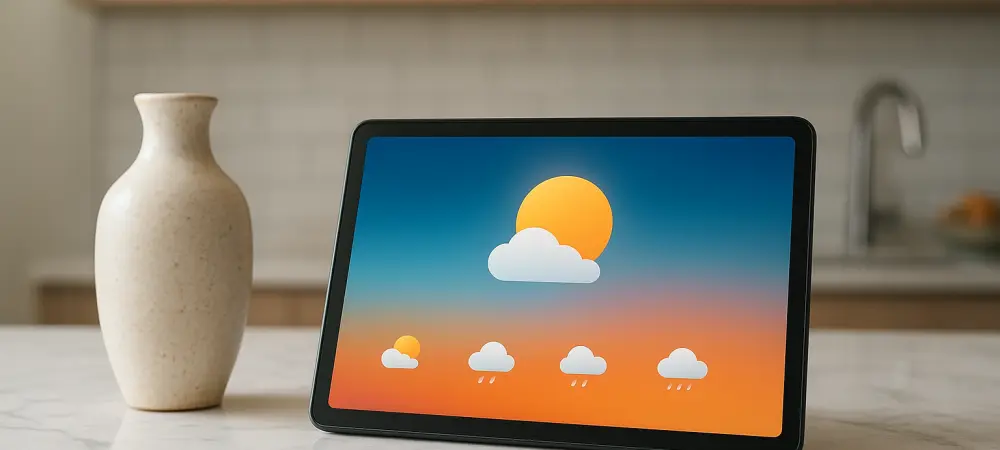
The transition from a collection of fragmented gadgets to a cohesive living environment has reached a pivotal moment with the arrival of Apple’s first dedicated household interface. This device represents a leap in home automation, providing a centralized touchpoint that manages the digital and physical aspects of a modern residence.
By shifting focus toward dedicated hardware, Apple addresses the need for a persistent hub that bridges the gap between individual mobile devices and the broader smart home ecosystem. This strategic move ensures that essential home controls are always accessible to every member of the household without requiring a personal smartphone.
Evolution of the Apple Smart Home Ecosystem
Historically, Apple relied on the HomePod or a stationary iPad to serve as secondary controllers for its ecosystem. This new display represents a strategic evolution, offering a permanent anchor for HomeKit that is specifically designed for high-traffic areas like kitchens or entryways.
It emerges in a landscape where consumers increasingly demand visual interaction with their environment. The integration of high-resolution screens into the household fabric allows for a more immersive and accessible experience, marking Apple’s commitment to becoming the primary operating system for the physical home.
Core Hardware and Software Architecture
The Hybrid Operating System and AI Integration
The technical foundation rests on a unique hybrid operating system that synthesizes the fluid animations of iOS with the media-centric focus of tvOS. This blend ensures a responsive interface that handles complex tasks, such as streaming multiple security camera feeds, while maintaining low power consumption.
AI integration through Siri allows the system to act as a proactive agent rather than a reactive tool. By learning household routines, the software offers timely suggestions for lighting and climate control, effectively anticipating user needs before a command is ever spoken.
Personalization via Face ID and Computer Vision
Personalization is a key differentiator, driven by a sophisticated camera system that utilizes computer vision. This technology recognizes individual users as they approach the device, instantly tailoring the content to show their specific calendars, notes, and news preferences.
Unlike many competitors, this system prioritizes privacy by processing all biometric data locally on the device. This ensures that multi-user recognition remains secure and incredibly fast, providing a bespoke experience for each family member without compromising sensitive information.
Emerging Trends in AI-Driven Control Hubs
Current developments in the sector favor ambient computing, where technology fades into the background until it is explicitly needed. Generative AI has transformed how these hubs interpret complex commands, allowing users to engage in natural dialogues about their home status.
This shift moves the industry away from rigid, pre-defined voice prompts toward a fluid relationship between humans and their living spaces. The device acts as a silent participant that understands context, such as recognizing when a room is occupied and adjusting the ambiance accordingly.
Real-World Applications and Smart Home Integration
In practice, the display excels at managing intricate household schedules and facilitating high-quality telepresence. Users can orchestrate complex tasks within native applications like Reminders and Calendar with minimal effort, ensuring that family coordination remains seamless across all synchronized Apple devices.
Beyond simple lighting and temperature controls, it serves as a professional-grade communication tool. It utilizes advanced optics to keep users centered during video calls, making remote interactions feel more natural and less tethered to a handheld screen.