

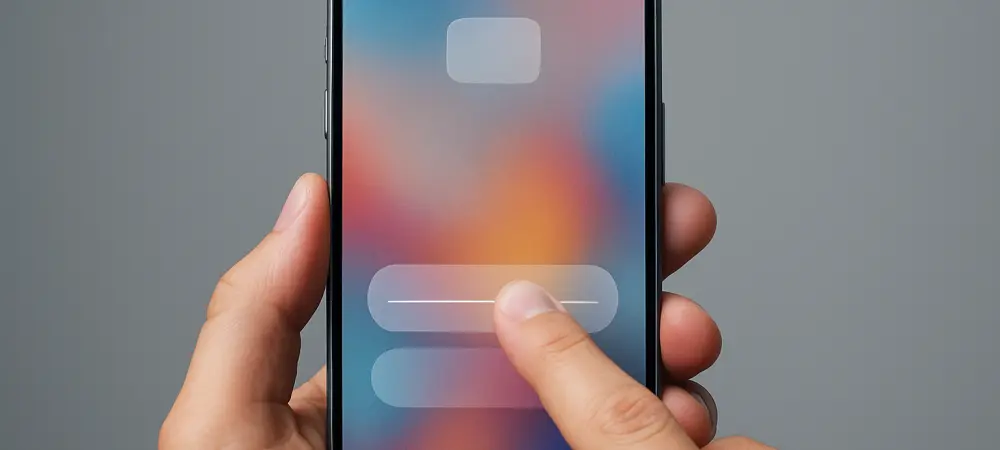
User feedback regarding pixelated rendering in previous builds has prompted Apple to include a transparency slider for the Liquid Glass interface, allowing for finer control over the system’s aesthetic effects. This refinement arrives with the release of the third public beta on August 11, marking a significant milestone in the software’s development cycle. Available through the Apple Beta Software Program for free, this build mirrors the fifth developer beta distributed just twenty-four hours earlier. While the promise of cutting-edge features is enticing, experts strongly advise users to back up all personal data to a physical computer or iCloud before proceeding with the installation. The experimental nature of beta software means that unforeseen bugs or system instabilities could lead to data loss if precautions are overlooked. By stabilizing the core architecture and refining the visual language, this update ensures that early adopters experience a more cohesive and polished version of the upcoming operating system.
1. Deployment and Device Requirements
To participate in this testing phase, users must first navigate to the official beta website and authenticate their identity using standard Apple credentials. This entry point serves as the gateway to the broader Apple Beta Software Program, which facilitates a collaborative environment between the developer and its global user base. Once logged in, individuals are required to provide explicit consent to the program’s terms and conditions, acknowledging the risks associated with pre-release software. This legal and technical framework ensures that participants are fully aware of their role in identifying software defects before the final public rollout. It is crucial to read these agreements thoroughly, as they outline the boundaries of confidentiality and the scope of data collection necessary for diagnostic purposes. This methodical approach to enrollment helps maintain the integrity of the feedback loop, allowing engineers to focus on the most pressing issues reported by a diverse set of testers.
Compatibility for the latest operating system remains broad, ensuring that a significant portion of the current user base can enjoy the core enhancements. The software supports the iPhone 11 and all subsequent models released in the following years, including the resilient second-generation iPhone SE. This wide range of support demonstrates a commitment to longevity, allowing older hardware to benefit from system-level optimizations and security updates. However, the most advanced facets of the ecosystem, specifically the Apple Intelligence suite, demand higher-tier hardware specifications. These features require at least an iPhone 15 Pro or a newer model to handle the complex on-device machine learning tasks. Furthermore, the newly introduced Advanced Voice Features are even more exclusive, being reserved for the iPhone 17 Pro, iPhone 17 Pro Max, and the innovative iPhone Air. This tiered approach to feature deployment is a direct result of the specialized neural engines found in the newest silicon.
2. Intelligence Evolution: Siri and Visual Tools
The centerpiece of this update is the completely rebuilt Siri, which now operates on sophisticated new Foundation Models. These models allow the assistant to maintain ongoing conversations with much higher contextual accuracy, moving away from the isolated command-and-response format of the past. A key innovation is onscreen awareness, which enables the assistant to perceive what a user is looking at and take action based on that visual context. This intelligence extends deep into the system, allowing for seamless access to information stored across various native applications such as Mail, Messages, Notes, and Reminders. For instance, a user can ask about a specific meeting mentioned in a thread or retrieve a detail from a buried note without needing to manually search. Responses now appear in the Dynamic Island, and a new standalone app stores conversation history. However, regulatory hurdles keep these features currently unavailable in the European Union and China due to local legal restrictions.
Beyond verbal interaction, the system introduces a specialized Siri Camera Mode that leverages visual intelligence to simplify everyday tasks. This feature can instantly identify nutritional facts in food items, helping users track their dietary goals with a simple lens pointing. It also streamlines professional networking by scanning business cards and automatically populating contact fields with relevant names and numbers. Furthermore, the camera can transform physical barcodes into digital passes, allowing for the quick digitization of tickets and loyalty cards. Financial management also receives a boost through new receipt-scanning tools designed for splitting bills and sending money via Apple Cash in the United States. This integration of computer vision into the standard camera interface reduces the need for third-party scanning applications, creating a more unified and efficient workflow. By making the camera smarter, the software effectively bridges the gap between the physical and digital world.
3. System Refinement: Performance and Safety
Performance metrics show substantial gains, with app launches running up to 30% faster and photo library browsing increasing by 70%. Native apps have also evolved, with Safari automatically categorizing tabs and allowing for extension creation via plain-language prompts. AirPods users benefit from new custom equalizer settings, while FaceTime introduces a Dual Capture mode for iPhone 17 models, showing front and rear cameras simultaneously. Simultaneously, parental controls have been overhauled to provide a more intuitive management system. The redesigned Screen Time setup simplifies boundary setting, while the “Ask to Browse” feature allows children to request website access via Messages. To protect younger users, the update introduces enhanced safety filters that automatically blur graphic content for those under the age of 18. These tools combined with category-based time allowances for games ensure that the operating system remains a secure and efficient environment for every family member. The development of iOS 27 followed a rigorous trajectory toward its slated public release in mid-September. Throughout the testing phases, the primary objective remained the prioritization of system stability and the elimination of minor bugs identified by the community. Engineers analyzed vast amounts of telemetry data from the public beta sessions to ensure the final build met high standards for reliability. Potential participants recognized that joining the Beta Software Program offered a unique opportunity to shape the future of the platform. Those who engaged with the third public beta took the essential step of securing their data through comprehensive backups before exploring the new features. Looking ahead, individuals considered the benefits of early adoption against the necessity of hardware upgrades for advanced AI. The insights gained from these early builds suggested that a proactive approach to software updates was most effective when paired with an understanding of device specifications.