

Introduction
The relentless cycle of software refinement continues as Apple deploys its latest testing build to ensure that the mobile experience remains as seamless as users have come to expect from the premium tech brand. This iteration focuses on smoothing out the rough edges found in previous builds while providing developers with more robust tools for managing user interactions. By addressing specific bugs and expanding the utility of its native frameworks, the company aims to solidify the foundation of its current operating system before moving toward the next major generation of software.
Readers can expect an in-depth look at the specific functional improvements included in build 23F5059e, ranging from visual corrections to behind-the-scenes API changes. The scope of this exploration covers everything from simple aesthetic fixes to the more complex requirements of the modern app ecosystem. This guide serves to clarify what testers should look for and how these incremental changes impact the broader functionality of the iPhone.
Key Questions or Key Topics Section
What Specific Visual Glitches Does This Update Address?
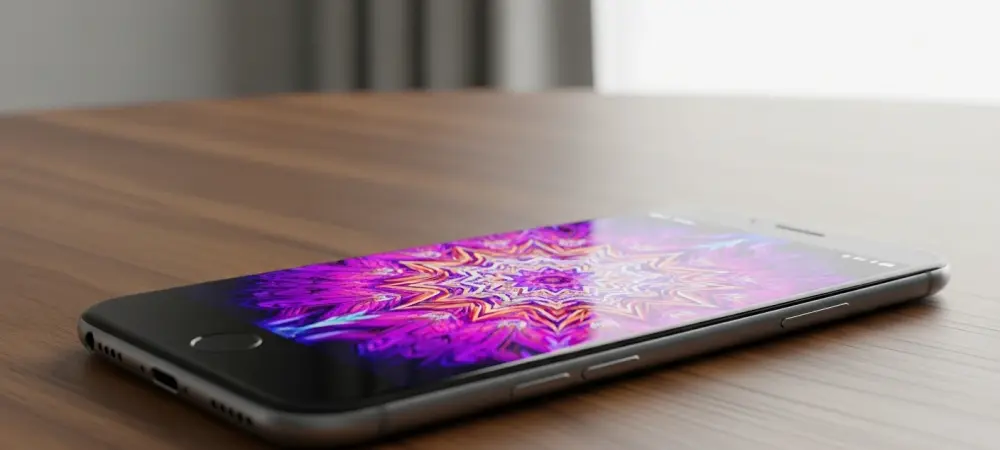
The aesthetic appeal of the iPhone has long been a selling point for the device, yet recent software versions introduced frustrating limitations for users who enjoy customizing their lock screens. Many individuals reported that high-profile options like the Unity and Kaleidoscope wallpapers were either failing to install correctly or becoming stuck in the gallery without a way to remove them. This inconsistency broke the sense of fluid control that defines the Apple ecosystem, leading to a need for a rapid patch. In response, iOS 26.5 Beta 3 successfully resolves these installation and management issues, allowing users to once again toggle between their favorite designs without technical interference. The fix ensures that the Wallpaper Gallery functions as intended, providing a stable environment for both system-default and user-selected backgrounds. By refining these small but noticeable details, the update restores a level of polish that helps maintain the high standards of the user interface.
How Does the Update Benefit App Developers and Subscribers?
Transparency in digital commerce has become a priority for regulatory bodies and consumers alike, prompting technical shifts in how subscriptions are managed. Developers often face challenges when trying to communicate the intricacies of long-term payment models, such as monthly billing tied to a one-year commitment. Without the right tools, presenting this information clearly can result in user confusion or accidental sign-ups that harm the reputation of an application. To mitigate these concerns, Apple introduced four new features within the StoreKit framework to enhance the purchasing experience. Developers now have access to improved tools for displaying pricing details and tracking the duration of user commitments directly through the StoreKit API. Moreover, the update addresses a critical bug in StoreKitTest that previously caused subscription tests to fail during the development process in Xcode. These changes provide a more reliable testing environment and a more informative interface for the end user.
Which Devices Are Eligible for the Latest Beta Features?
Software updates often bring a mix of excitement and anxiety regarding hardware compatibility, especially as new features demand more processing power. While the base operating system is designed to run on a wide array of existing hardware, specialized functionalities often require more modern internal components. Understanding which devices can handle the full suite of new features is essential for those participating in the beta program.
The iOS 26.5 Beta 3 update is compatible with any iPhone model that is currently eligible for the stable version of iOS 26. However, it is important to note that the highly anticipated Apple Intelligence features remain exclusive to the iPhone 15 Pro, the iPhone 15 Pro Max, and the newer iPhone 16 and iPhone 17 series. This distinction highlights the growing gap between general software stability and the hardware-intensive requirements of next-generation artificial intelligence.
Summary or Recap
The rollout of iOS 26.5 Beta 3 represents a focused effort to eliminate the lingering bugs that hindered the personalization and development experience on the iPhone. From fixing specific wallpaper installation errors to streamlining the StoreKit framework, the update prioritizes functional reliability over radical changes. It ensures that both casual users and professional developers have a more stable platform to work with as the current software cycle matures.
Furthermore, the update clarifies the hardware requirements for advanced features, reminding the community that peak performance often necessitates the latest silicon. By addressing developer concerns in Xcode and enhancing the clarity of subscription models, Apple continues to refine its marketplace. These improvements collectively contribute to a more predictable and user-friendly environment for everyone involved in the ecosystem.
Conclusion or Final Thoughts
The release of this beta build signaled a commitment to perfection that defined the user experience throughout the testing period. It provided a clear path for those who encountered frustrating errors with their visual settings and offered developers the precision needed to manage complex commerce models. By keeping the community informed about compatibility and feature limits, the update set realistic expectations for the future of mobile intelligence. Users who participated in the beta program found that navigating to the system settings and checking for software updates allowed them to access these fixes immediately. This proactive approach helped bridge the gap between initial development and the eventual stable release. Ultimately, the small refinements in this version proved that even incremental updates played a vital role in maintaining the integrity of the platform.