

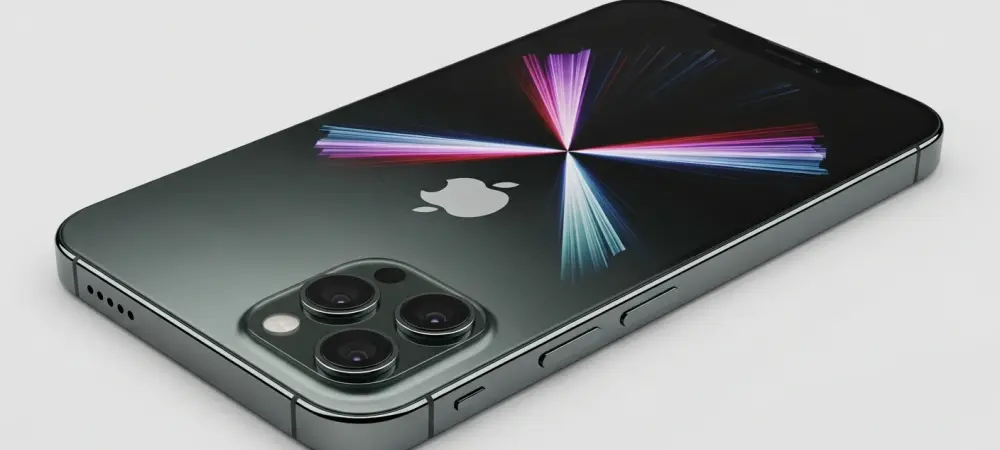
The modern smartphone market has reached a saturation point where the distinction between value and compromise has become increasingly blurred for the average consumer. As Apple introduces the iPhone 17e, the tech giant is attempting to navigate a delicate balance between maintaining its premium ecosystem and offering a more accessible entry point for budget-conscious buyers. This “e” variant serves as a calculated gamble, testing whether the strength of the iOS brand can outweigh significant hardware omissions in a market that is more demanding than ever before.
Redefining the Entry-Level Smartphone Landscape
The iPhone 17e enters a crowded mid-range field with a clear mission: to provide a gateway into the Apple ecosystem at a $600 price point. By positioning this model as a more affordable alternative to the flagship series, Apple is targeting a specific demographic that prioritizes software longevity and brand status over raw technical specifications. This strategy reflects a shift in how the company views its product tiers, moving toward a model where hardware is secondary to the services and connectivity that define the modern user experience.
However, this positioning places the device in a precarious spot. While it succeeds in lowering the barrier to entry, it must compete against high-performance Android devices that often offer superior displays and cameras at similar prices. The relevance of the 17e hinges on its ability to prove that the “Apple experience” remains a premium commodity, even when the physical components are intentionally scaled back to protect the profit margins of more expensive models.
Critical Hardware Components and System Architecture
Display Limitations and Aesthetic Design
One of the most controversial aspects of this device is the decision to retain a 60Hz display and the classic “chunky notch.” In an era where even budget competitors have transitioned to 120Hz refresh rates and punch-hole designs, these legacy features feel remarkably dated. The lower refresh rate results in a user interface that lacks the fluid motion found elsewhere in the 17-series, creating a tangible gap in the perceived quality of daily interactions.
Camera Capabilities and Imaging Constraints
The single-lens rear camera system further emphasizes the “entry-level” nature of the 17e. By omitting the telephoto or ultra-wide lenses found on its siblings, Apple relies heavily on computational photography to bridge the gap. While the software processing is undeniably impressive, it cannot fully compensate for the lack of optical versatility. This constraint limits the device to basic photography, which may alienate users who view their smartphone as their primary creative tool.
Storage Standards and Internal Processing
In a surprising turn, Apple has implemented a 256GB base storage capacity for the 17e, providing ample room for apps and media. This generous allocation works in tandem with the internal chip to ensure that, despite hardware limitations, the phone remains responsive for everyday tasks like messaging and web browsing. This architecture suggests that Apple is prioritizing long-term utility and software updates over the flashy hardware features that typically drive annual upgrades.
Consumer Sentiment and Evolving Market Trends
Current market data indicates a growing skepticism toward the value proposition of the 17e. Many consumers are increasingly unwilling to accept hardware compromises when the price difference between this model and the standard iPhone 17 is only $200. This narrow gap often pushes buyers toward the more expensive option, as the “upsell” provides a vastly superior screen and camera system that justifies the extra investment over several years of ownership.
Furthermore, the trend of “keeping phones longer” has made users more discerning about technical longevity. A device that feels outdated at launch, such as one with a 60Hz screen, is a difficult sell for a public that has become accustomed to high-performance standards. This sentiment reflects a broader industry shift where the “middle ground” is disappearing, leaving budget models like the 17e to fight for relevance in a market that increasingly favors either extreme affordability or flagship excellence.
Targeted Use Cases and Real-World Applications
The Ideal Starter Device for New Users
Despite the criticism from tech enthusiasts, the 17e finds a logical home as a starter device for younger users or a reliable tool for seniors. The simplicity of the hardware combined with the robust security of iOS makes it an attractive option for those who do not require cutting-edge features. In these scenarios, the device functions more as a communication hub than a multimedia powerhouse, where the reliability of the ecosystem is the primary selling point.
Educational and Corporate Deployment
From a professional standpoint, the 17e is being adopted for large-scale deployments in education and corporate management. Organizations that require a uniform operating system across a massive fleet of devices find the 17e to be a cost-effective solution. In environments where advanced photography or high-end gaming are non-essential, the consistency of the software and the ease of administrative control provide significant value that outweighs the lack of a high-refresh-rate display.
Technical Hurdles and Market Obstacles
The primary obstacle facing the 17e is the difficulty of justifying its existence in a competitive landscape. The technical hurdle of selling a 60Hz screen in the current year is immense, especially when cheaper alternatives offer much smoother visual experiences. This creates a friction point for the Apple brand, as the hardware limitations risk making the product feel like a relic of the past rather than a bridge to the future.
Additionally, the internal competition within Apple’s own lineup remains a significant barrier. With refurbished older flagships often retailing for less than the 17e while offering better hardware, the new “entry-level” model must work twice as hard to attract attention. This market overlap forces the 17e into a niche position where it appeals primarily to those who insist on buying new hardware but cannot quite reach the price of the standard flagship.
The Future of Apple’s Budget Strategy
Looking forward, the “e” series will likely serve as a testing ground for how much Apple can lean on its software ecosystem to carry aging hardware. Future iterations may see a gradual trickle-down of features like the Dynamic Island or improved sensors, but for now, the strategy remains focused on clear differentiation. This approach will continue to shape the industry’s definition of a “budget” flagship, potentially leading to a permanent tier of devices that prioritize software support over physical innovation.
Final Assessment: Balancing Brand and Utility
The iPhone 17e functioned as a clear indicator of the tension between brand prestige and hardware value. While it provided a stable and secure entry into the iOS ecosystem, the significant compromises in display technology and camera versatility made it a difficult recommendation for the average user. Ultimately, the device served best as a specialized tool for corporate fleets or first-time owners rather than a competitive mid-range contender. Moving forward, the industry must decide if a premium brand name is enough to sustain products that deliberately lag behind the technological curve.