

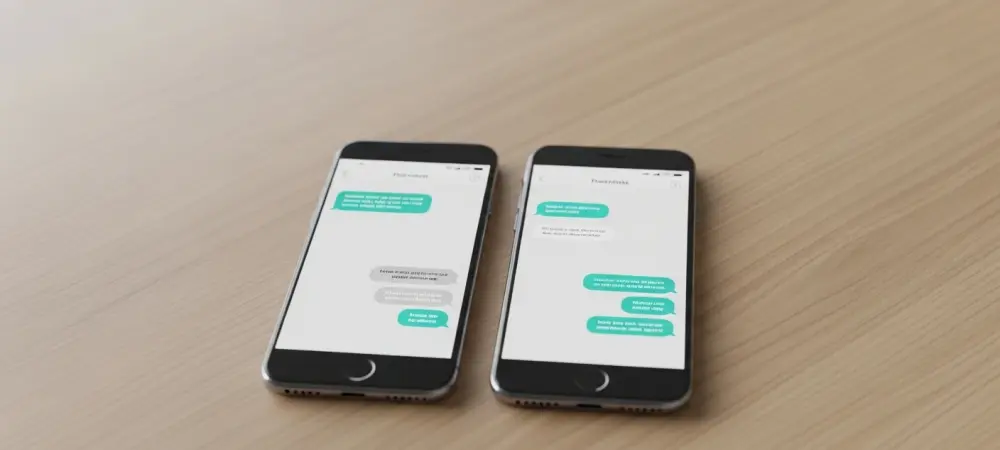
The digital fortress protecting personal data on a smartphone has become more critical than ever, with Apple’s latest security initiatives signaling a significant shift from reactive defense to proactive, system-wide fortification. This review explores the evolution of iOS security, focusing on the key features introduced in the iOS 26.4 beta, their performance implications, and the impact they have on user privacy and data protection. The purpose of this review is to provide a thorough understanding of these latest enhancements, their current capabilities, and their potential future development.
The Foundation of iOS Security
Apple’s security philosophy has long been built on the deep integration of its hardware and software, creating a unified ecosystem where protections are woven into the very fabric of the device. This approach enables proactive threat mitigation, where potential vulnerabilities are addressed at the system level before they can be widely exploited. The model is complemented by a suite of user-centric privacy controls, giving individuals granular authority over their data.
Within this framework, continuous software updates are not merely for introducing new features but are a fundamental component of the security promise. Each update serves as a critical reinforcement against newly discovered threats and evolving attack vectors. This relentless cycle of improvement is essential for maintaining a secure mobile environment, ensuring that the platform’s defenses adapt as quickly as the digital threats they are designed to counter.
Core Security Enhancements in iOS 26.4
End-to-End Encryption for RCS Messaging
The developer beta introduces a landmark advancement in messaging security with the integration of end-to-end encryption (E2EE) for Rich Communication Services (RCS). By adopting the Universal Profile 3.0 standard, which is founded on the highly secure Messaging Layer Security (MLS) protocol, Apple is future-proofing its messaging capabilities. This move extends robust encryption beyond the iMessage ecosystem, aiming to secure a broader range of communications. This enhancement is particularly significant for its potential to secure cross-platform messaging, a long-standing vulnerability in mobile communication. However, the current beta’s implementation has limitations, most notably the initial lack of interoperability with Android devices. While encrypted RCS messages can be exchanged between compatible Apple devices, the promise of a universally secure messaging standard remains a work in progress, pending wider adoption and collaboration.
Expanded Memory Integrity Enforcement
In a direct response to the rise of sophisticated, state-sponsored spyware, iOS 26.4 strengthens its defenses with an update to Memory Integrity Enforcement (MIE). This critical feature is designed to prevent malicious code from executing in protected areas of memory, effectively neutralizing a common vector for zero-click exploits. It serves as a powerful, low-level shield for the device’s core operations.
The latest update moves beyond the previous “Soft Mode,” allowing applications to opt into a full, always-on memory safety protocol. This expansion secures not only the kernel but also key system processes, providing comprehensive protection without a discernible impact on device performance. By hardening the system’s memory, Apple makes it substantially more difficult for even the most advanced threats to compromise a device.
Stolen Device Protection as a Default Setting
Recognizing that digital security extends to physical threats, Apple is enabling Stolen Device Protection by default for all users. This feature adds a crucial layer of defense against thieves who may have obtained both a user’s device and their passcode. It intelligently requires biometric authentication via Face ID or Touch ID for accessing sensitive information, such as stored passwords or applying for a new Apple Card, when the device is away from familiar locations like home or work. Furthermore, the feature introduces a mandatory one-hour security delay for making critical account changes, such as modifying an Apple ID password or turning off Find My. This delay creates a vital window of opportunity for the rightful owner to mark their device as lost and secure their account before a thief can lock them out. By making this protection a default setting, Apple provides a powerful safeguard against data compromise following a physical theft.
Emerging Trends and Strategic Shifts
The enhancements in iOS 26.4 reflect a broader industry trend toward fortifying messaging platforms as central hubs of personal communication. As more daily interactions move to digital messaging, securing these channels with E2EE is becoming a baseline expectation for privacy-conscious consumers. Apple’s adoption of an open standard for RCS encryption signals a move toward industry-wide collaboration on security. This update also marks a strategic shift in Apple’s security posture, moving from optional, opt-in features to default-on protections. The decision to enable Stolen Device Protection for everyone and expand MIE capabilities demonstrates a proactive approach to addressing both common physical theft and advanced digital spyware. This change underscores a philosophy that essential security should not be a choice but a guarantee.
Real-World Impact and User Applications
In practical terms, these updates provide tangible benefits for everyday users. The eventual rollout of E2EE for RCS will mean that conversations with friends, family, and colleagues on different platforms are protected from eavesdropping, whether discussing personal matters or sensitive business. This ensures that the content of daily communications remains private and secure.
Simultaneously, Expanded MIE works silently in the background, providing a crucial shield against invisible threats like zero-click exploits that require no user interaction to execute. For users concerned about physical device theft, Stolen Device Protection offers genuine peace of mind, making it significantly harder for criminals to access personal data or take over a digital identity even if they manage to steal a device.
Challenges and Current Limitations
Despite their strengths, these new technologies are not without challenges. Achieving seamless, cross-platform encrypted RCS is a technically complex endeavor that requires cooperation across the mobile industry, and the current lack of Android interoperability is a significant hurdle. Furthermore, user friction is a potential concern with Stolen Device Protection; the one-hour security delay, while effective, may inconvenience users who legitimately need to make urgent account changes while traveling.
The full potential of Expanded MIE also depends on widespread developer adoption. While the framework is now available, its benefits will only be realized across the app ecosystem as developers choose to implement these stronger protections in their applications. This reliance on third-party action means the rollout of its full protective capabilities will be gradual.
The Future of Mobile Platform Security
The features previewed in the iOS 26.4 beta provide a clear roadmap for the future of mobile security. A broader public rollout is anticipated for all Apple platforms, including macOS and watchOS, creating a more unified and secure ecosystem. This move could also catalyze the adoption of a new industry standard in secure messaging, pushing competitors to embrace similarly robust encryption protocols.
In the long term, these advancements are set to have a profound impact on user privacy and the mobile security landscape. By making sophisticated protections like MIE and Stolen Device Protection standard, Apple is raising the bar for the entire industry. This continuing evolution ensures that as threats become more complex, the defenses protecting personal data become proportionally stronger.
Conclusion and Overall Assessment
The security updates introduced in the iOS 26.4 beta represented a substantial and necessary evolution in digital defense. By integrating end-to-end encryption for RCS, expanding system-level memory protections, and making physical theft safeguards a default setting, Apple addressed a wide spectrum of modern threats. These enhancements collectively moved the platform toward a more proactive and resilient security model. The initiative not only provided users with more robust tools to protect their data but also reinforced Apple’s long-standing position as a leader in consumer privacy and data protection.