

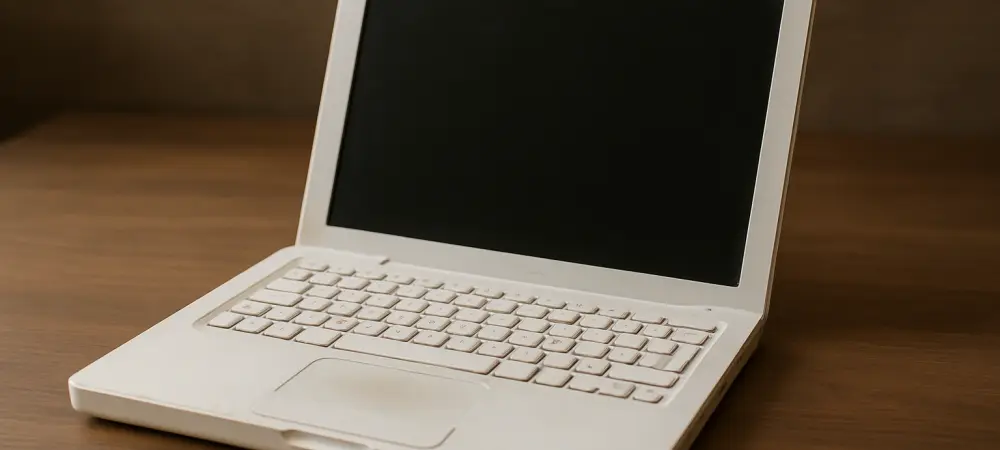
In a move that has caught the attention of many loyal Apple users, the tech giant has recently classified several older MacBook models as obsolete, marking the end of an era for these once-popular devices. Specifically, the 2015 11-inch MacBook Air, along with the 2017 13-inch and 15-inch MacBook Pros, have been added to the obsolete list, a designation typically reserved for products over seven years old from their initial release. This status means that Apple and its authorized service providers will no longer offer hardware repairs or support for these laptops. For users still relying on these machines, this announcement serves as a stark reminder of the rapid pace of technological advancement and the inevitable lifecycle of consumer electronics. The implications are far-reaching, affecting everything from security to daily functionality, and prompting a critical question: is it finally time to let go of these aging devices and embrace newer technology?
Understanding Apple’s Obsolescence Policy
Lifecycle and Support Termination
Apple’s policy on obsolescence is a well-established practice within the tech industry, designed to manage the lifecycle of its products systematically. When a device is labeled as obsolete, it signifies that the company will no longer provide hardware support, meaning repairs through official channels become unavailable. For the recently classified MacBook models, this translates to a complete halt in access to genuine parts and authorized servicing. While an exception exists for battery replacements, which may be supported for up to a decade depending on part availability, this is not a guaranteed solution. Users must recognize that relying on such limited support is a gamble, as stock for older components diminishes over time. This policy, while pragmatic from a business perspective, often leaves consumers in a challenging position, especially those who have grown accustomed to their devices over many years of use.
Transition from Vintage to Obsolete
Before reaching obsolescence, Apple products often pass through a “Vintage” status, which serves as a warning sign of impending discontinuation of support. The affected MacBook models followed this predictable path, having been categorized as vintage prior to their current obsolete designation. This staged approach provides users with a window to prepare for the eventual loss of official support, though many may overlook these early signals. The transition underscores the importance of proactive planning, as waiting until a device is fully obsolete can limit options for repair or replacement. Independent repair shops might offer temporary solutions using salvaged parts, but the reliability and availability of such services are far from certain. For those still using these older laptops, understanding this progression highlights the urgency of considering an upgrade before issues arise that cannot be resolved through standard means.
Implications for Users and the Path Forward
Security Risks and Functionality Gaps
One of the most pressing concerns for users of obsolete MacBooks is the significant security risk posed by the lack of software updates. These devices no longer receive the latest macOS versions, leaving them exposed to potential vulnerabilities and cyber threats that Apple patches in newer releases. Beyond security, the absence of updates means missing out on performance improvements and new features that enhance user experience, such as the refined interface and capabilities introduced in recent macOS iterations. For professionals and casual users alike, this can result in a noticeable lag in productivity and compatibility with modern applications. Continuing to operate an unsupported device not only jeopardizes data safety but also diminishes the overall utility of the laptop, making daily tasks more cumbersome than necessary. Upgrading becomes less of a choice and more of a critical step to maintain a seamless and secure digital environment.
Navigating the Upgrade Decision
Deciding to upgrade from an obsolete MacBook involves weighing several factors, including budget, specific needs, and brand loyalty. For many, the emotional attachment to a trusted device or financial constraints can delay this decision, yet the practical realities of unsupported hardware often outweigh such hesitations. Newer MacBook models offer substantial improvements in speed, battery life, and integration with current software ecosystems, addressing the shortcomings of older devices. Additionally, exploring alternatives outside Apple’s lineup might appeal to those seeking different features or price points, with various resources available to guide this transition. The key is to approach the upgrade strategically, ensuring the chosen device aligns with long-term requirements rather than opting for a temporary fix. By acting sooner rather than later, users can avoid the pitfalls of sudden hardware failure or security breaches, securing a more reliable and future-proof computing experience.
Planning for Future Tech Lifecycles
Reflecting on the recent obsolescence declaration, it becomes evident that Apple’s structured approach to product lifecycles consistently pushes users toward adopting newer technologies. The challenges faced by owners of the affected MacBook models highlight the importance of staying ahead of such transitions. Many have found themselves grappling with discontinued support and heightened security risks, which could have been mitigated through earlier planning. Looking back, the decision to upgrade has proven to be not just a response to immediate needs but a proactive measure against inevitable technological obsolescence. As a forward-looking step, users are encouraged to regularly assess the status of their devices, utilizing available guides to identify suitable replacements. Keeping abreast of Apple’s vintage and obsolete lists also emerges as a practical habit to avoid being caught off guard. Ultimately, the focus shifts to embracing upgrades as an investment in security and performance, ensuring readiness for the evolving digital landscape.