

Internal reports suggest that the current software modifications are merely the first phase of a broader plan for more robust touch optimizations in future macOS versions. This strategic pivot signals a monumental departure from previous executive stances, which long maintained that vertical touchscreens were ergonomically suboptimal for long-term computing. By integrating these features into the professional-grade hardware of the 14-inch and 16-inch models, the company has effectively redefined the boundaries between its mobile and desktop ecosystems. The core philosophy centers on a measured approach that preserves the precision required for complex professional tasks while offering the immediate tactile flexibility that modern users have come to expect from their primary devices. This hardware update, finalized in late October, serves as the foundation for a multi-modal computing experience that respects the legacy of the mouse-driven cursor while acknowledging the intuitive nature of direct interaction on the glass.
Implementing Adaptive Software For Desktop Precision
A cornerstone of this transition is the introduction of dynamic user interface elements that adapt based on the specific input method being utilized at any given moment. Rather than implementing a permanent enlargement of the macOS interface, which would sacrifice the high information density that professional users rely on, the operating system now employs sensors to detect when a finger approaches the screen. Upon detection, specific interactive zones such as the menu bar, close buttons, and window management controls expand instantly to provide a larger target for touch interactions. This intelligent scaling ensures that the desktop remains optimized for the high-precision trackpad during standard operation, while becoming immediately accessible for quick tactile adjustments. This approach effectively solves the historical conflict between touch accessibility and screen real estate management, allowing for a hybrid experience that feels both familiar to long-time users and approachable for newcomers.
The integration of the Dynamic Island into the MacBook Pro hardware further bridges the gap between the mobile convenience of the iPhone and the power of the Mac desktop environment. Replacing the traditional display notch, this interactive hub serves as a centralized location for system-wide activities, including Siri interactions, media playback controls, and AirDrop file transfer requests. Beyond this dedicated interactive area, the operating system now supports a full suite of familiar gestures that have been meticulously tuned for the laptop form factor. Users can now utilize intuitive motions such as swiping to access the Dock, pinching to zoom into high-resolution imagery, and dragging complex content across different applications with natural ease. These additions were designed to feel immediate and responsive, leveraging the high refresh rates of the ProMotion displays to ensure that every touch interaction feels as fluid as the software experience found on high-end mobile devices.
Professional Integration And Tactical Market Positioning
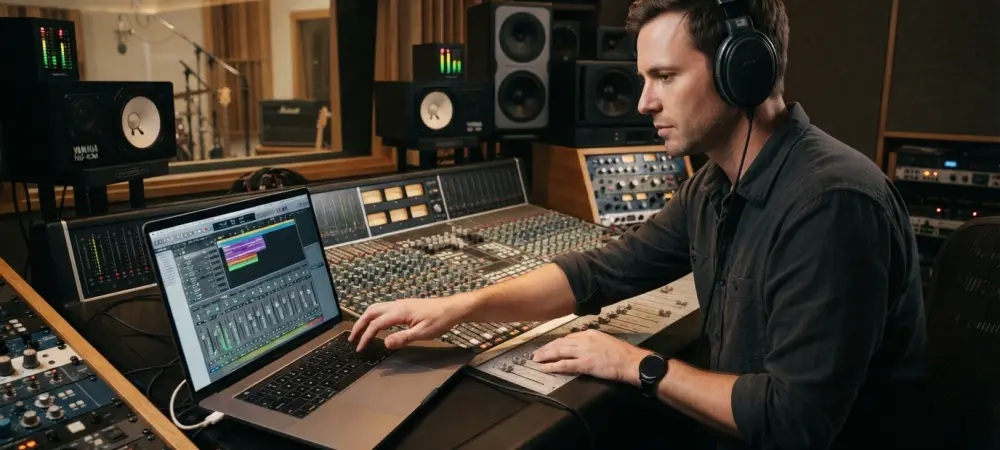
For the developer community and creative industry, the shift toward touchscreen capabilities represents a significant opportunity to redefine professional software workflows. Apple has positioned these new MacBook Pro models as essential tools for specialists in fields such as video editing and music production, where tactile control can significantly enhance productivity. Specialized applications like DaVinci Resolve and Final Cut Pro have already begun integrating touch-optimized sliders and scrubbers, allowing editors to make fine color adjustments or navigate complex timelines with direct physical interaction. Similarly, in audio production suites like Logic Pro, musicians can now manipulate virtual faders and synthesizers in a way that mimics the tactile experience of using physical studio hardware. This indicates a clear trend where touch is not intended to replace the traditional keyboard and mouse setup, but rather to augment specific, high-value tasks that benefit from a more organic and immediate interface.
Ultimately, the debut of these touchscreen-enabled systems demonstrated a clear and unified strategy for the evolution of the personal computer as a multi-modal device. The decision to maintain the desktop’s core identity while adding layers of tactile versatility proved to be a successful balance that respected professional requirements. To maximize the utility of these new features, professionals began adopting a hybrid interaction model, using the keyboard for syntax-heavy tasks while leveraging the screen for spatial manipulation and timeline scrubbing. Software engineers focused their efforts on creating touch-aware layouts that only surfaced expanded controls when the user’s hand moved toward the display, thereby preserving the density of the standard macOS environment. This transition period highlighted the necessity for developers to rethink button placement and gesture recognition in high-end applications. It set a precedent for future hardware iterations to continue refining the synergy between tactile interaction and professional-grade performance.