

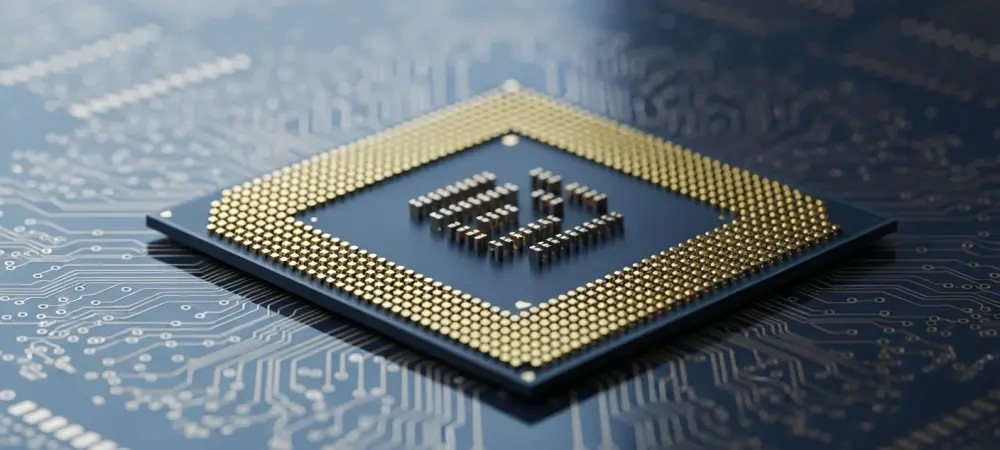
The sudden appearance of the OPN code 100-000001713-31 in benchmark databases signals a profound shift in how high-performance mobile silicon will be structured for the coming hardware cycle. This “Medusa Point” engineering sample, tested on the Plum-MDS1 platform, introduces a 10-core architecture that suggests AMD is moving beyond standard core counts to prioritize efficiency for next-generation portable devices. The leak serves as a primary indicator of a changing mobile strategy.
Transitioning from Strix Point to the Zen 6 Architecture
The market has witnessed a steady increase in cache requirements as AI workloads and integrated graphics become more demanding. The transition from 16MB of L3 cache in Hawk Point to 24MB in Strix Point set the stage for Zen 6 to push boundaries even further. This evolution highlights the necessity of localized memory to sustain high performance in power-constrained environments.
Evaluating the Technical Innovations of Medusa Point
The Strategic Shift: 10-Core Configurations and Thread Management
The 10-core, 20-thread setup is a departure from traditional layouts. Earlier data hinted at a “4C+4D” design, combining classic and dense cores. The presence of two extra cores suggests that AMD might be integrating low-power units directly into the IO die to manage background tasks while keeping the primary cluster idle.
Cache Density: Why 32MB of L3 Memory Matters
A jump to 32MB of L3 cache represents a massive leap for mobile chips. Increasing on-die memory minimizes the latency involved in fetching data from system RAM, which is a common bottleneck for high-refresh-rate gaming and real-time media editing. This change directly improves the efficiency of the integrated Radeon graphics.
Efficiency Standards: The FP10 Socket and 28W TDP
Operating within a 28W thermal envelope, this processor is clearly intended for thin-and-light ultrabooks. While early clock speeds of 2.4 GHz are modest, they represent a testing phase meant to verify the stability of the FP10 platform. This ensures that the physical and electrical infrastructure is ready for the eventual market release.
Projecting the Mobile Computing Landscape for 2027
As the industry approaches 2027, the focus is shifting toward modular, multi-tile designs that offer better scalability. The Zen 6 architecture will likely emphasize Neural Processing Unit capabilities to handle local AI tasks. This trend forces a realignment of how operating systems schedule tasks across heterogeneous core types to maximize battery life.
Tactical Insights for the Hardware Ecosystem
Manufacturers must prepare for denser cache layouts that require refined thermal management strategies. The shift toward 10-core mid-range chips suggests that the handheld gaming market will remain a high-growth sector. Stakeholders should monitor the FP10 platform’s development to ensure early compatibility with emerging laptop designs and cooling technologies.
Future Readiness and Final Considerations
The Medusa Point leak provided a clear roadmap for mobile innovation through the end of the decade. Analysts determined that the shift toward 32MB of cache was the most significant indicator of future performance. Industry leaders focused on optimizing thermal solutions for the FP10 platform to ensure a smooth transition for the next generation of ultrabooks.