

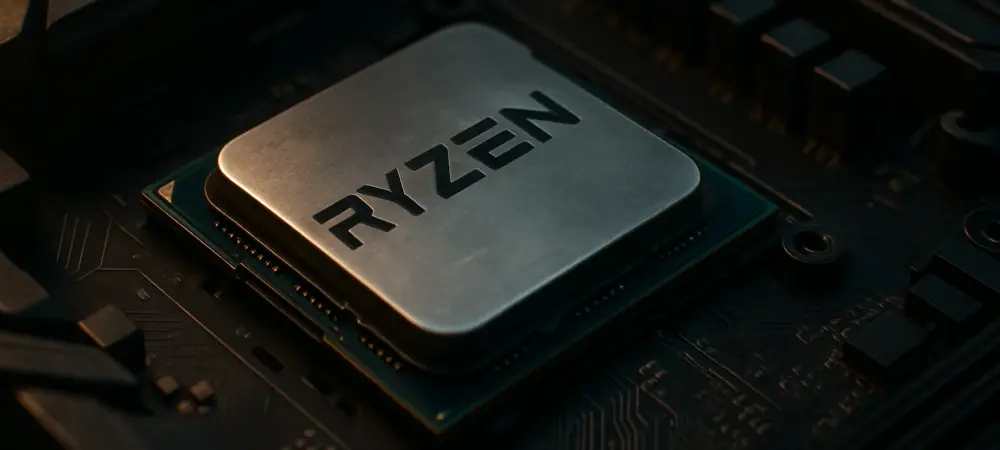
In the ever-evolving realm of PC gaming, striking a balance between cost and performance often feels like chasing a mirage, especially for gamers on a tight budget who dream of high frame rates at 1080p resolution. Picture a scenario where such performance is no longer a luxury, but an accessible reality for the everyday player, thanks to a new contender from AMD designed to shatter the barriers of budget builds with power that rivals pricier alternatives. This processor promises to redefine what gamers can expect without draining their wallets, sparking curiosity about how far technology can stretch a dollar in today’s competitive market.
The significance of this launch lies in its potential to reshape the mid-range CPU landscape. With gamers increasingly focused on maximizing value at 1080p—the resolution sweet spot for many setups—AMD’s latest offering targets a critical segment often overlooked by high-end hardware hype. This isn’t just another processor drop; it’s a strategic move to empower budget-conscious players who demand smooth gameplay without compromise. The stakes are high as AMD challenges industry norms, aiming to prove that top-tier gaming doesn’t have to come with a top-tier price tag.
Why Budget Gamers Deserve More
For years, budget gamers have navigated a tricky terrain, often settling for outdated hardware or subpar performance to keep costs down. The frustration of stuttering gameplay or long load times in favorite titles like Valorant or Forza Horizon 5 is all too familiar. Yet, the demand for affordable solutions that don’t skimp on quality has grown louder, pushing manufacturers to innovate in the mid-range space where every frame per second matters.
This gap in the market has created an opportunity for a processor that can deliver exceptional 1080p performance without the hefty cost associated with flagship chips. AMD has stepped up to the plate, focusing on a demographic that craves value over vanity. Their latest release signals a shift, suggesting that budget builds can indeed pack a punch, challenging the notion that high performance is reserved for those with deep pockets.
The excitement surrounding this development is palpable in gaming communities, where discussions about accessible hardware dominate forums. Gamers are eager to see if this new chip can truly bridge the divide between cost and capability. It’s a moment of reckoning for the industry, as expectations rise for what a budget-friendly rig can achieve in an era of increasingly demanding titles.
The Competitive Edge in the CPU Arena
The battle for dominance in the budget CPU segment is fiercer than ever, with AMD and Intel locked in a relentless tug-of-war for consumer loyalty. Intel has long held an advantage in the lower price brackets, offering chips that cater to cost-sensitive buyers. However, AMD’s introduction of advanced technology tailored for gaming workloads is shaking up this dynamic, positioning them as a serious threat in a space where every dollar counts.
This latest processor leverages AMD’s signature X3D technology, known for boosting gaming performance through expansive cache sizes. It’s a calculated effort to address the real-world struggles of gamers who prioritize smooth experiences over raw specifications. Unlike Intel’s approach of undercutting on price alone, AMD is banking on superior frame rates to justify a slightly higher cost, creating a compelling debate about value versus affordability.
Industry watchers note that this launch isn’t merely about hardware specs; it’s a broader statement on accessibility in gaming. As one tech analyst remarked, “AMD is targeting the heart of the gaming community—those who play at 1080p and want every cent to translate into better gameplay.” This strategic focus could redefine consumer expectations, pushing competitors to rethink their offerings in the budget tier over the coming years.
Inside the Specs and Performance Metrics
Diving into the core of this new chip, the Ryzen 5 7500X3D boasts an impressive array of features for its price point. With six cores and 12 threads, a boost clock reaching up to 4.5 GHz, and a massive 96 MB L3 cache, it’s engineered specifically for gaming demands. Add to that a 65W TDP, support for PCIe 5.0, and compatibility with up to 128 GB of memory, and it’s clear this processor is built to handle modern titles with ease.
Performance data provided by AMD paints an enticing picture for prospective buyers. The chip reportedly outperforms Intel’s Core Ultra 245KF by 13% in AAA games such as Black Myth Wukong and by 22% in competitive esports titles like Counter-Strike 2. Against the Core i5-14600K, it holds an 8% lead in story-driven games and a 12% advantage in fast-paced multiplayer arenas, making it a standout choice for diverse gaming needs. Priced at $269, it marks the most affordable entry in AMD’s X3D lineup, though it sits above Intel’s alternatives at $219 and $210 respectively. Availability remains a hurdle, as it’s currently exclusive to prebuilt PowerSpec PCs through Micro Center, limiting options for DIY enthusiasts. Despite this, the specs and early performance claims suggest a chip that could disrupt the status quo, offering a glimpse of premium gaming on a budget.
Expert Insights and Early Feedback
AMD’s assertions about the Ryzen 5 7500X3D’s capabilities are gaining traction, supported by initial testing and community buzz. According to the company’s internal benchmarks, the processor delivers consistent wins over Intel’s mid-range offerings, a crucial selling point for gamers laser-focused on performance. These results are sparking optimism among tech enthusiasts eager to see independent reviews confirm the hype.
Feedback from early adopters in prebuilt systems highlights tangible benefits, with users reporting smoother gameplay and reduced stuttering compared to older budget CPUs. One gamer shared, “Switching to a rig with this chip made a night-and-day difference in load times for my go-to titles.” Such anecdotes reinforce AMD’s narrative of prioritizing real-world gaming experiences over sheer clock speeds.
A spokesperson from AMD underscored this mission, stating, “The goal was to craft a processor that gives unparalleled value, ensuring gamers see the impact in every match or mission.” While comprehensive third-party analyses are still forthcoming, the early consensus points to a chip that could set a new benchmark for budget gaming hardware, fueling anticipation for wider availability.
Optimizing Your Gaming Setup with This Chip
For gamers ready to harness the power of this processor, strategic choices can amplify its benefits without breaking the bank. Start by selecting a compatible AM5 motherboard, opting for a cost-effective B650 chipset over the more expensive X670 variants to keep expenses in check. This ensures access to PCIe 5.0 for future-proofing while staying within budget constraints.
Memory pairing is another critical factor—target DDR5-6000 RAM with low latency to work in tandem with the chip’s extensive L3 cache, enhancing frame rates in demanding games. Additionally, since standalone units aren’t yet available outside prebuilt systems from Micro Center, consider the total cost of a full rig versus holding out for individual sales if building from scratch is the preference. Fine-tuning in-game settings for 1080p resolution can unlock the chip’s full potential, especially in competitive titles. Prioritize high refresh rates over ultra-high textures to capitalize on its strengths, ensuring a fluid experience in fast-paced environments. These practical tips can help gamers extract maximum performance, proving that a budget setup doesn’t mean settling for less.
Reflecting on a Game-Changing Launch
Looking back, the debut of the Ryzen 5 7500X3D marked a pivotal moment for budget gamers who had long yearned for hardware that matched their passion without straining their finances. It stood as a testament to AMD’s commitment to challenging the norms of affordability, delivering a processor that punched well above its weight class. The blend of innovative X3D technology and competitive pricing carved out a new path for mid-range builds.
For those considering their next steps, exploring prebuilt options through Micro Center offered a practical entry point, while keeping an eye on standalone availability promised flexibility for custom rigs. Pairing the chip with optimized components remained key to unlocking its full gaming prowess. This launch didn’t just introduce a product; it ignited a conversation about value in gaming hardware.
Beyond immediate purchases, the broader implication was a push toward more inclusive technology in the industry. Gamers were encouraged to stay informed on upcoming reviews and benchmark data to make empowered decisions. As the market continued to evolve, this processor’s impact lingered as a reminder that performance and affordability could indeed coexist, inspiring future innovations to build on this foundation.