

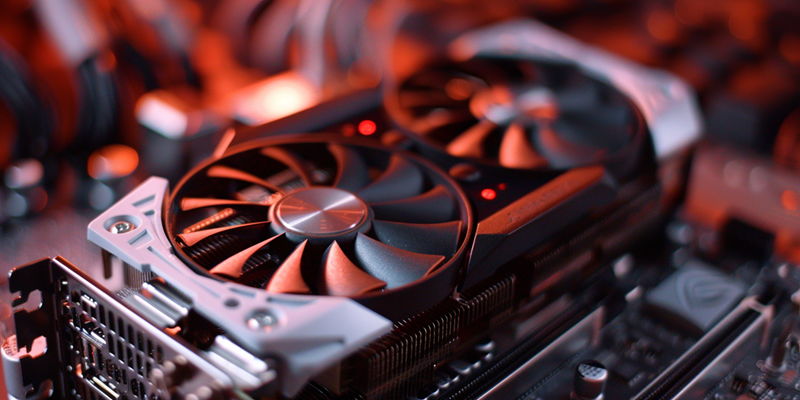
The graphics card landscape has recently experienced a significant shift with AMD’s decision to reduce the price of their high-end Radeon RX 7900 XTX model dramatically. This competitive move has not gone unnoticed by the gaming community and PC enthusiasts, as it presents an opportunity to gain access to one of the most powerful graphics processing units available for a fraction of its initial cost. The substantial drop in price makes it an exceptionally enticing option for those seeking to upgrade their gaming setup or build a high-performance computer without stretching their finances. The Radeon RX 7900 XTX’s new affordability could influence market dynamics, compelling rivals to reconsider their pricing strategies to stay competitive. This change is likely to benefit consumers, who will have the chance to buy state-of-the-art technology at an unprecedented low price point, thereby democratizing access to premium gaming experiences.
Impressive Gaming Performance
Superior Power on a Budget
The Radeon RX 7900 XTX emerges as a strong contender in the high-end GPU market with its recent drop to $843.99. Offering superb value for its cost, especially for those prioritizing price-to-performance ratios, it stands in stark contrast to pricier options. Boasting a hefty 24GB of video memory, it ensures players are well-equipped for cutting-edge games with heavy texture demands, projecting a sense of longevity for upcoming titles.
While it holds its own in gaming benchmarks against rivals like the Nvidia RTX 4080, particularly in raw frame rate output, the Radeon RX 7900 XTX also showcases marked advancements in ray tracing. It’s imperative to note, however, that Nvidia’s offerings remain the industry standard in ray tracing and upscaling tech. Nonetheless, for gamers focusing primarily on traditional gaming without the need for the latest ray tracing, AMD’s proposition is undeniably attractive at this competitive price point.
Considerations and Downsides
Balance between Power and Efficiency
The Radeon RX 7900 XTX stands out in the gaming realm, yet it’s accompanied by high power usage, a point of concern for the eco-conscious and budget-minded. When running at full capacity, this AMD flagship tends to consume more energy than some of its efficient competitors, an important consideration for buyers. Despite its muscle in gaming, it delivers only moderate results in content creation tasks, with Nvidia’s counterparts typically taking the lead in areas such as video editing and 3D modeling, owing to better optimization for these uses.
This GPU’s sizable memory and impressive gaming performance, matched with a competitive price, secure its status as a substantial market player. However, considerations like power draw and performance in non-gaming tasks should be factored in by shoppers. Evaluating the Radeon RX 7900 XTX’s pros and cons, especially within the context of current market offerings, is key for consumers navigating through their purchasing decisions.