

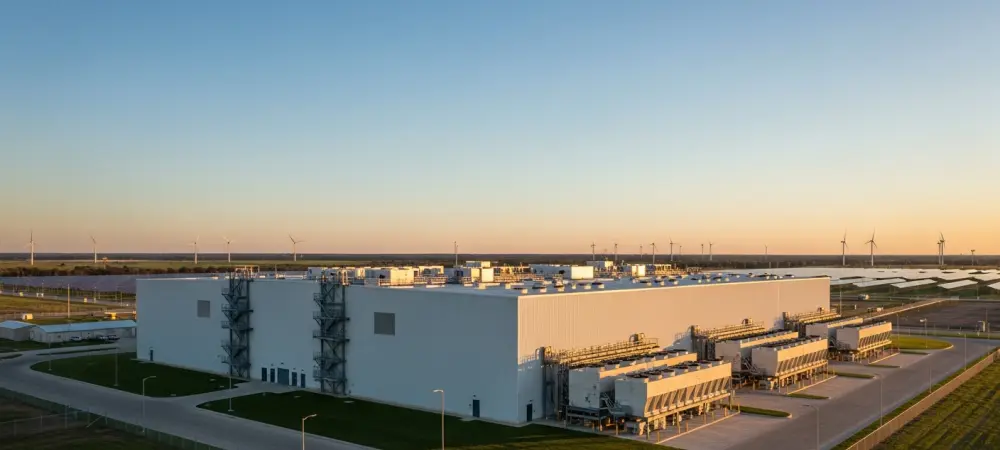
Texas has long been a battleground for digital supremacy, but the recent announcement of a multi-billion dollar infrastructure surge marks a definitive shift in how cloud computing resources are distributed across the American South. This expansion is not merely a collection of server racks; it represents a fundamental restructuring of the regional digital economy, aiming to support the escalating demands of generative artificial intelligence. As energy grids face unprecedented strain, the strategic placement of these facilities near renewable energy hubs suggests a calculated move to balance massive power consumption with sustainability targets. The scale of this project dwarfs previous regional investments, signaling that the Lone Star State has become the preferred theater for hyper-scale operations. By embedding these critical systems within the Texas power ecosystem, the initiative seeks to leverage local incentives and a growing tech talent pool to cement a legacy.
Infrastructure and Energy Management
Sustainable Energy: Balancing Demand and Reliability
Integrating massive data centers into the existing Texas electrical grid requires a sophisticated orchestration of resources that goes beyond traditional utility agreements. To mitigate the environmental footprint of these campuses, developers are turning to dedicated solar and wind farms in the western reaches of the state. These renewable projects are designed to feed directly into the regional transmission organization, offsetting the gigawatt-scale consumption required by the newest generation of liquid-cooled server clusters. The engineering challenge lies in maintaining twenty-four-seven uptime while relying on intermittent energy sources, necessitating the deployment of large-scale battery storage systems. These energy storage solutions act as a buffer, ensuring that the critical workloads of global clients remain uninterrupted even during periods of low renewable output. This symbiotic relationship defines the current expansion strategy.
Thermal Management: Innovations in Liquid Cooling
Beyond just greening the supply, the focus has shifted toward hyper-efficient cooling technologies that drastically reduce the amount of water and electricity needed to maintain hardware temperatures. Implementing closed-loop liquid cooling systems allows for higher rack densities, which is essential for the thermal management of advanced chips optimized for artificial intelligence training. These systems recirculate treated water, minimizing local environmental impact and addressing concerns about resource scarcity in arid regions of Texas. Furthermore, the use of predictive analytics within the facility management software allows for real-time adjustments to cooling output based on ambient weather conditions and current processing loads. By optimizing every watt used for thermal regulation, the facility aims to achieve a Power Usage Effectiveness rating that sets a new industry benchmark. This meticulous attention to efficiency demonstrates that scaling up is manageable.
Economic and Technological Impact
Workforce Evolution: Specialized Skills and Local Impact
The arrival of such a significant technological footprint necessitates a specialized labor force capable of maintaining the complex systems that power the cloud. Local community colleges and universities are already collaborating with industry leaders to develop curriculum pathways that focus on data center operations and sustainable facility management. These educational partnerships ensure that the local population is not just witnessing the expansion from the sidelines but is actively participating in the high-wage job market it creates. The ripple effect of this investment extends into the construction sector, where thousands of temporary roles are filled by local contractors and specialized tradespeople. This massive influx of capital revitalizes local economies, providing a steady stream of tax revenue that supports public services and infrastructure improvements in the surrounding counties. The long-term objective is to foster a self-sustaining ecosystem of talent.
Regional Clustering: The Rise of the Silicon Corridor
As these facilities become operational, they attract a secondary layer of businesses, ranging from cybersecurity firms to logistics providers specialized in hardware transport. This clustering effect creates a “silicon corridor” that enhances the overall competitiveness of the region on a global scale. Local governments have responded by streamlining permitting processes and providing infrastructure upgrades, such as fiber-optic expansions and improved road access, to accommodate the increased traffic. The strategic integration of these centers into the regional landscape also encourages the development of edge computing nodes, which bring processing power closer to end-users in major metropolitan areas like Austin. This proximity reduces latency for consumers and enterprises, enabling a new wave of real-time applications in autonomous transit. By positioning Texas as a central hub, the project effectively redefines the state’s economic identity as a digital services powerhouse.
Strategic Pathways for Scalable Infrastructure
The successful deployment of this infrastructure project established a blueprint for how tech giants navigated the complex intersection of industrial growth and environmental stewardship. Decision-makers prioritized the integration of advanced power management systems and local workforce training programs to ensure the long-term viability of the regional digital ecosystem. These actions demonstrated that massive investments must be accompanied by comprehensive community engagement and a commitment to resource efficiency to gain broad public support. Moving forward, enterprises should evaluate their own expansion plans through the lens of grid reliability and local resource availability to avoid operational bottlenecks. Proactive collaboration with state utility boards and educational institutions proved to be the most effective way to secure the necessary resources for sustained innovation. This expansion not only provided hardware capacity but also set a precedent for resilient development.