

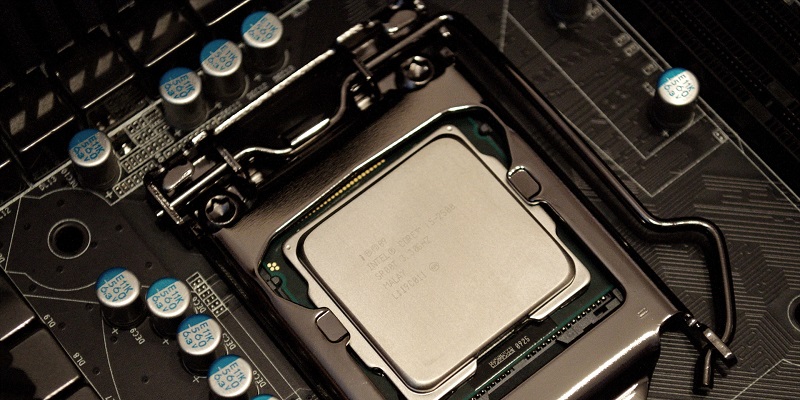
As the world becomes increasingly reliant on technology, the demand for faster and more powerful computer processors is on the rise. AMD has been making waves in the CPU market with its Zen architecture, and now, the company is set to release its latest offering – the Zen 5 CPU. Recently, reports surfaced suggesting that entries for an alleged AMD Zen 5 CPU have been spotted online.
Overview of Zen 5 CPU Architecture from AMD
The Zen architecture has been a major success for AMD, with Zen 3 seeing significant uptake in the market. Building on this success, AMD is preparing to launch its next major CPU architecture, Zen 5. While details of the architecture are scarce, AMD has hinted that it will focus on power efficiency and offer better performance than previous generations.
Confirmation of Zen 5 CPU Launch in 2024
AMD has confirmed that it will launch the Zen 5 CPU in 2024, four years after the release of Zen 4. This timeframe indicates that AMD is following a tick-tock model for its CPU architecture releases. The Zen 3 architecture came with the TSMC N7 process node, while Zen 4 will be built using TSMC’s N5 process node. It is not clear what process node will be used for Zen 5, but it is expected to be an improvement over previous generations.
Discovery of Alleged AMD Zen 5 CPU Entries
Benchleaks, a popular benchmarking website, spotted entries of an alleged AMD Zen 5 CPU within the Einstein@Home and LHC@home databases. The entries suggest that an engineering sample of the Zen 5 CPU already exists and is undergoing testing. While these entries could be fake or misleading, they have generated a lot of interest in the tech community.
Details of Alleged AMD Zen 5 CPU: 8 Cores and 16 Threads
The entries on the Einstein@Home and LHC@home databases indicate that the alleged AMD Zen 5 CPU has 8 cores and 16 threads. This configuration is not surprising, given that AMD has been using this setup for its high-end CPUs since Zen 2. However, the timing of the alleged Zen 5 CPU’s appearance is earlier than expected, given that the architecture is not set to be released until 2024.
The use of Family 24 in Zen 3 and Zen 4 chips for possible identification of a Zen 5 chip is plausible. According to reports, Family 24 was used for Zen 3 and Zen 4 processors, suggesting that it may also be used in Zen 5 chips. The fact that Family 17 was used for Zen 1 and Zen 2 further supports this hypothesis.
Unreleased GPUs mentioned in entries
In addition to the alleged AMD Zen 5 CPU, the entries were also run on two unreleased GPUs. This fact has been overshadowed by the excitement surrounding the possible Zen 5 CPU, but it is worth noting that these GPUs could be significant releases in their own right.
Details of Unreleased GPUs: AMD Radeon RX 7900 GRE with 16 GB and Radeon RX GPU with 12 GB
The two unreleased GPUs mentioned in the entry are the AMD Radeon RX 7900 GRE with 16 GB memory and a Radeon RX GPU with 12 GB memory. Both GPUs are likely to be high-end offerings from AMD and could compete with Nvidia’s top-of-the-line cards. However, it is important to note that these GPUs have not been officially announced by AMD yet.
Confirmation of Ryzen 8000 Desktop CPUs Coming to AM5 Platform
What we do know is that AMD has confirmed that its Ryzen 8000 Desktop CPUs will come to the AM5 platform. This news is significant for those who are planning to build new systems in the future, as it indicates that AMD is committed to supporting the new platform for several generations.
Possibility of Zen 5 Reveal or Teaser at Upcoming AMD Datacenter Event
With the alleged entries for the AMD Zen 5 CPU generating a lot of buzz, many are hoping that AMD will tease more information about the architecture at its upcoming datacenter event. While it is unclear what AMD has in store for the event, it is expected to be a significant event for the company.
The purported listings for the AMD Zen 5 CPU with 8 cores and 16 threads have generated excitement in the tech community. While it is still unclear whether the listings are authentic, the use of Family 24 and the timing of their appearance have led many to believe that they are true. In any case, the anticipation surrounding Zen 5 and the potential release of new GPUs from AMD is sure to keep tech enthusiasts on the edge of their seats.