

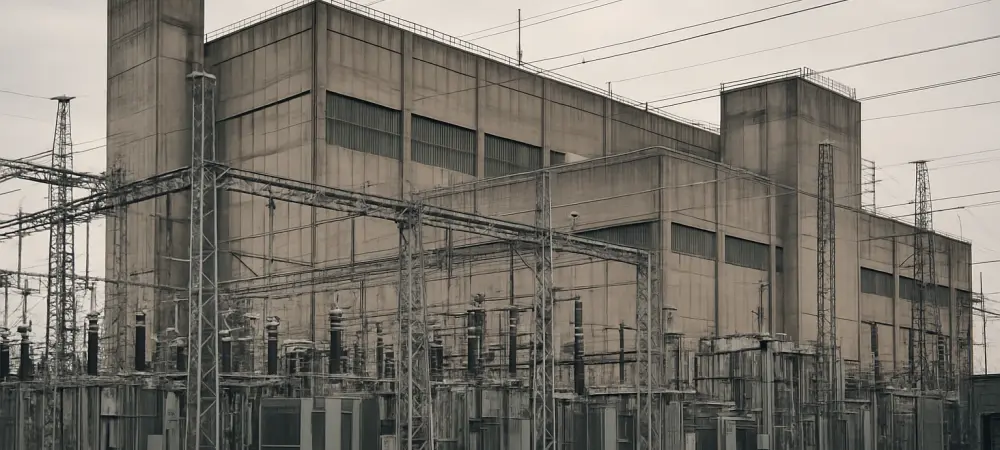
Former heavy-industrial sites are becoming highly coveted by technology developers because they provide the high-voltage electrical connections necessary for gigawatt-scale data parks. This deal represents a strategic pivot for Alcoa as it seeks to monetize legacy assets that have sat idle for over a decade. The Massena East smelter, located along the St. Lawrence River, was once a powerhouse of aluminum production before high energy costs led to its closure. Now, this massive 1,600-acre site is slated to become a cornerstone of the regional digital economy, supporting high-density computing tasks. The transformation reflects a market reality where the value of a property is increasingly tied to its access to the electrical grid rather than its proximity to raw materials. This transition allows for a second life for industrial hubs that might otherwise face total decay while providing the essential infrastructure for the next generation of digital services throughout New York in 2026.
The Logistics of High-Value Industrial Repurposing
Financial Structure: Phased Development Incentives
The transaction is structured to align the financial interests of the seller with the operational expansion of the buyer, creating a roadmap for long-term growth. Alcoa expects an initial payment ranging from $50 million to $65 million upon the closing of the deal, which should occur within the next six months. However, the true scale of the agreement lies in the subsequent seven years, where additional payments between $60 million and $250 million could be triggered as the buyer increases the power capacity of the site. This milestone-based approach protects the seller while providing the purchaser with a predictable financial framework to scale their operations. By tying the final sale price to power commissioning, the deal incentivizes the rapid deployment of hardware and the efficient utilization of the existing electrical infrastructure, ensuring that the facility reaches its maximum operational potential within a competitive timeframe for the modern computing industry.
Technical Specifications: Converting 1,600 Acres for Computing
While the buyer was not explicitly named in the corporate announcement, local filings indicate that North Country Colocation Services, an affiliate of the digital asset firm NYDIG, is the likely purchaser. The development plans are ambitious, involving the construction of two massive buildings totaling approximately 870,000 square feet designed specifically for high-performance computing. Although the site currently holds permits for 180 megawatts, the available infrastructure provides a clear path to scaling up to 635 megawatts. This massive leap in capacity is precisely why such brownfield sites are more attractive than greenfield developments, which would require years of environmental permitting and new substation construction. The existing high-voltage lines at the Massena East site provide a significant head start, allowing the developer to bypass the grid congestion that currently plagues many traditional data center markets throughout North America in 2026.
Strategic Shifts in Global Energy Management
Expanding the Model: Alcoa’s Portfolio Strategy
The sale of the New York facility is not an isolated event but rather part of a broader corporate strategy to revitalize a portfolio of ten other idle smelting sites across the United States. Alcoa has already begun implementing this model at former industrial properties in Maryland and Kentucky, where similar infrastructure is being transitioned from metal production to digital processing. This trend highlights a fundamental shift in how heavy industry views its legacy landholdings; instead of seeing them as environmental liabilities, they are being marketed as essential nodes for the burgeoning AI and cryptocurrency industries. By leveraging these existing connections, Alcoa is positioning itself as a key facilitator of the next generation of digital infrastructure. This strategy serves the dual purpose of generating immediate cash flow and removing long-term maintenance costs associated with decommissioned factories, proving industrial heritage can coexist with modern technology.
Strategic Outcomes: Establishing a Blueprint for Future Projects
The successful monetization of the Massena East site established a clear precedent for how corporate entities managed their decommissioned assets. Developers who prioritized sites with existing high-voltage interconnects found they could significantly reduce their time-to-market, which became a critical competitive advantage during the rapid expansion of computing needs. It was observed that stakeholders looked beyond traditional tech hubs to consider regions with a rich industrial history, as these areas often possessed the robust power grids necessary for modern operations. Investors who moved early into these brownfield conversions benefited from lower initial land costs while securing the power capacity that became scarce in other regions. It was determined that the integration of local governments into these planning processes ensured that the transition from heavy industry to digital infrastructure provided stable tax revenues and supported regional economic resilience.