

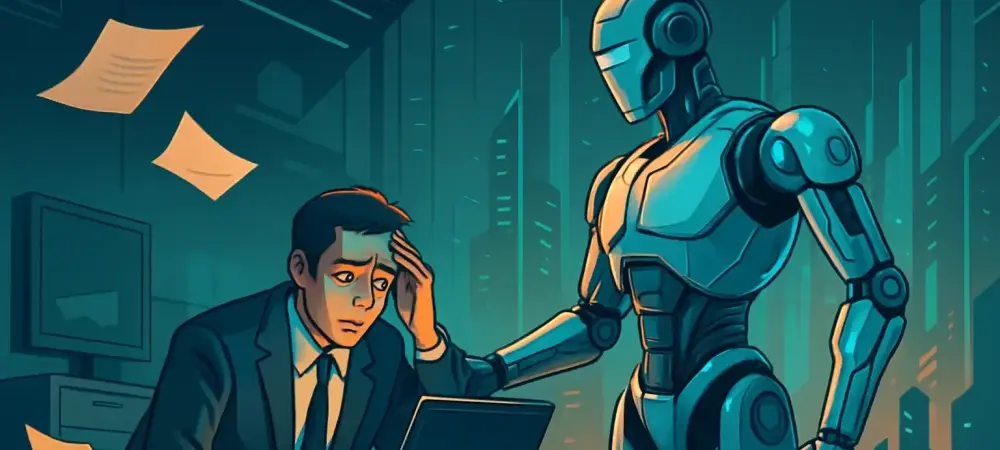
I’m thrilled to sit down with Dominic Jainy, a seasoned IT professional whose deep expertise in artificial intelligence, machine learning, and blockchain offers a unique perspective on the transformative power of these technologies. With a keen interest in how AI impacts industries and society, Dominic is the perfect person to help us navigate the complex interplay between AI, jobs, democracy, and workforce dynamics. In our conversation, we explore the roots of public distrust in AI, the potential scale of job displacement, the risk of misinformation in political spheres, and the societal reactions that might shape the future of technology adoption.
How do you think AI is currently influencing the way people trust or distrust technology in general?
AI is a double-edged sword when it comes to trust. On one hand, people are amazed by what it can do—think of personalized recommendations or voice assistants that make life easier. But on the flip side, there’s a growing unease because AI often feels like a black box. Most folks don’t understand how it works, and when they hear about data breaches or biased algorithms, it erodes confidence. I’ve seen firsthand in my work how even well-intentioned AI systems can misstep, like when facial recognition tech misidentifies people. Those incidents stick in people’s minds and fuel skepticism about whether technology is really on their side.
What do you see as the main drivers behind the distrust some people have toward AI specifically?
I think it boils down to a few core issues. First, there’s the fear of losing control—AI systems making decisions that impact lives, like in hiring or lending, without clear accountability. Then there’s privacy; people worry their data is being mined in ways they can’t grasp. And of course, job security plays a huge role. When you hear stories of automation replacing workers, even if it’s not your job yet, it creates a nagging fear. In my experience, this distrust often stems from a lack of transparency—companies and developers need to do a better job of explaining how AI works and what safeguards are in place.
How significant do you believe job displacement due to AI will be in the coming years?
I think we’re looking at a substantial shift, though it’s hard to pin down exact numbers. Over the next decade, AI could automate repetitive tasks across many sectors, from data entry to customer service. But it’s not just about job loss—it’s about job transformation. Some roles will disappear, but others will emerge, especially in tech oversight and AI system management. The challenge is the speed of change; workers might not have time to reskill. I’ve seen projections suggesting millions of jobs could be affected, but the real impact depends on how proactively we address the transition.
Are there particular industries or job types that you think are most vulnerable to AI automation?
Absolutely, industries with high levels of routine, predictable work are at the forefront. Think manufacturing, where robots and AI can handle assembly lines, or retail, with self-checkout systems and inventory management bots. Even white-collar roles like accounting or legal research, where AI can process vast amounts of data quickly, are at risk. I’ve worked with clients in logistics, and they’re already seeing AI optimize routing and warehousing in ways that reduce the need for human intervention. It’s not all doom and gloom, though—creative and interpersonal roles are harder to automate, at least for now.
How do you see AI’s potential to spread misinformation impacting democratic processes like elections?
This is a massive concern. AI can generate deepfakes, fake news, or tailored propaganda at an unprecedented scale and speed. During elections, this could sway voters by amplifying false narratives or creating distrust in legitimate information. I’ve seen how easily AI-generated content can go viral on social media, often without people questioning its authenticity. If bad actors—whether domestic or foreign—leverage these tools, they could undermine the integrity of democratic systems. It’s not just theoretical; we’re already seeing early signs of this in online disinformation campaigns.
Do you think fears around AI and automation could fuel populist movements, as some experts suggest?
I do. History shows that fear of economic disruption often drives support for populist leaders who promise to protect the “little guy” from big, faceless forces—whether it’s globalization or, now, AI. People who feel their livelihoods are threatened, even if it’s just a perception, might rally behind movements that blame tech elites or push for heavy-handed regulation. In my view, this isn’t just about job loss; it’s about a broader anxiety over losing agency in a world where tech seems to call the shots. Both left- and right-wing groups could harness this frustration, depending on who they point the finger at.
What can be done to prepare workers for the changes AI might bring to the job market?
We need a multi-pronged approach. First, education and reskilling programs are critical—governments and companies should invest in training for digital literacy and AI-related skills, especially for those in vulnerable industries. I’ve seen initiatives where community colleges partner with tech firms to offer short courses, and they’re effective. Second, we need to foster adaptability; workers should be encouraged to see AI as a tool, not a threat, through hands-on exposure. Finally, policy matters—things like universal basic income or wage subsidies could ease the transition for those displaced. It’s about building a safety net while empowering people to pivot.
How might people or communities push back against AI if they feel it threatens their interests?
Resistance could take many forms. On an individual level, you might see workers refusing to adopt AI tools or unions advocating for stricter limits on automation. Broader pushback could manifest as public protests or demands for legislation to slow AI deployment. I’ve noticed in some industries that employees quietly sabotage tech rollouts by not engaging fully—it’s subtle but impactful. On a societal level, we could see voting for leaders who promise to curb AI’s influence. It’s often less about rejecting tech outright and more about wanting a say in how it’s used.
What steps do you think are essential to safeguard democracy from AI-driven misinformation?
First, we need robust regulation around AI content creation—think labeling requirements for AI-generated media so people know what’s real. Tech platforms must also step up with better detection tools and fact-checking mechanisms; I’ve worked on algorithms that flag suspicious content, and they can help, though they’re not foolproof. Public education is key—teaching critical thinking and media literacy can empower people to question what they see online. Lastly, international cooperation is vital because misinformation crosses borders. If we don’t act cohesively, bad actors will exploit the gaps.
What is your forecast for the societal impact of AI over the next decade?
I think we’re in for a bumpy ride, but there’s potential for a net positive if we play our cards right. AI will likely reshape entire industries, displacing some jobs while creating others, and widening inequality if we don’t address access to training and tools. On the democracy front, the risk of misinformation could deepen distrust in institutions unless we build strong safeguards. But I’m optimistic about AI’s ability to solve big problems—like in healthcare or climate tech—if we guide its development with ethics in mind. The next ten years will be defined by how well we balance innovation with inclusion, ensuring AI serves humanity rather than divides it.