

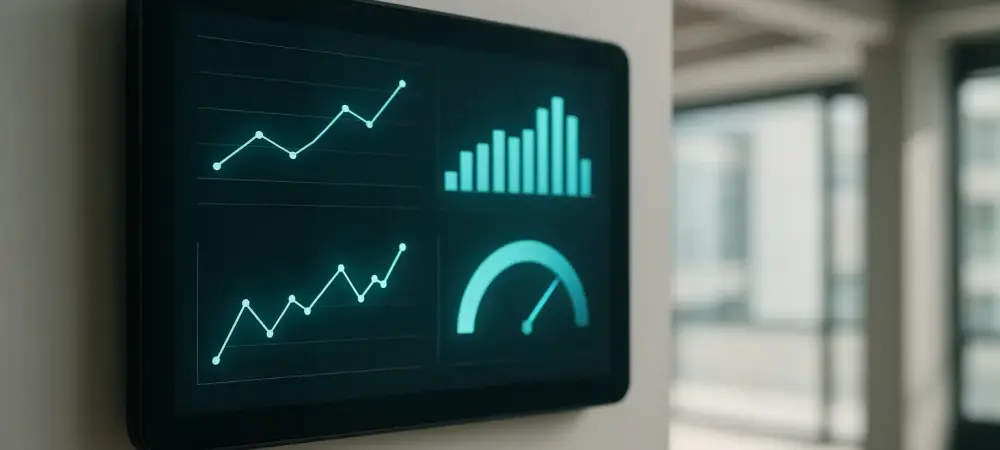
The traditional security guard industry has long been plagued by a crippling administrative bottleneck where a handful of office staff must manage hundreds of dispersed field officers across multiple time zones and shifts. Historically, these organizations operated through a fragmented web of manual spreadsheets, radio calls, and paper logs that made real-time oversight nearly impossible. However, the emergence of unified AI platforms represents a fundamental departure from these reactive methods. By 2026, the transition toward automated ecosystems has allowed firms to consolidate workforce management into a single, intelligent hub that actively monitors field performance without constant human intervention.
Evolution of Automated Security Back-Office Systems
The shift from manual tracking to “unified operations” was necessitated by the extreme labor-to-management ratios inherent in the security sector. Earlier attempts at digitization often involved using separate software for scheduling, payroll, and reporting, which created data silos and increased the likelihood of human error. Modern platforms have solved this by building AI directly into the operational core rather than treating it as an external plugin.
This evolution is characterized by a move away from simple digital logs toward proactive intelligence. Instead of an officer recording an event for later review, the system now interprets events as they happen. This development ensures that the back office remains a lean, efficient environment, even as the number of active contracts scales. The integration of natural language processing has further simplified how managers interact with complex databases, making advanced analytics accessible to non-technical personnel.
Key Components: Modern AI Security Platforms
Belle AI Dispatch: Real-Time Exception Handling
The most critical feature of this technology is the “first-touch” triage system which handles operational exceptions the moment they occur. When a guard fails to clock in or leaves a post early, the AI initiates a sequence of automated text or voice communications to resolve the issue. Statistics indicate that this automated outreach successfully addresses approximately 86% of routine scheduling conflicts. This is a significant improvement over traditional models where a human dispatcher would spend hours making phone calls to verify basic attendance.
Belle AI Assistant: Natural Language Data Analytics
Unlike generic business intelligence tools, the AI Assistant is built on an industry-specific data model that understands the nuances of security guard management. It allows users to query vast datasets regarding overtime, billing, or certification expirations using simple English commands. This capability eliminates the need for manual data manipulation in spreadsheets, providing executive leadership with instant visibility into operational costs. The significance of this feature lies in its ability to turn passive records into actionable insights regarding labor efficiency from 2026 to 2028.
Integrated Recruiting: Lifecycle Management
The recruitment module bridges the gap between hiring and deployment by housing the entire applicant journey within the same platform used for daily operations. By integrating applicant tracking directly with onboarding and payroll, the system removes the friction that often leads to candidate drop-off. This creates a seamless data flow that ensures new hires are compliant and fully documented before their first shift, directly addressing the chronic labor shortages that have historically hindered the growth of private security firms.
Emerging Trends: Unified Security Operations
The industry is rapidly adopting a model where AI serves as a virtual teammate rather than just a software tool. This trend focuses on the total integration of the employee lifecycle, where communication between the field and the office is constant and automated. Moreover, there is a clear movement toward proactive staffing, where the system identifies potential gaps before they lead to service failures. This shift allows human managers to transition from clerical supervisors to strategic partners who focus on high-level client relations and employee retention.
Real-World Applications: Industry Use Cases
Large-scale residential and commercial contracts have seen the most immediate benefits from these advancements. For instance, security providers can now maintain 24/7 coverage across hundreds of remote sites with a fraction of the traditional dispatch staff. By using conversational AI to audit payroll and compliance in real-time, firms ensure that every officer on duty meets specific client requirements and regulatory standards. This level of automated oversight provides a degree of transparency that was previously cost-prohibitive for all but the largest global security corporations.
Operational Challenges: Market Obstacles
Despite the clear advantages, the implementation of AI-driven systems requires a baseline of digital literacy among the workforce that is not always present. There is also the persistent challenge of ensuring data accuracy across various modules to prevent the AI from making decisions based on faulty inputs. Furthermore, as sensitive employee and client data move into more sophisticated digital environments, maintaining rigorous data privacy standards remains a top priority. Developers must continue to refine the tone and accuracy of AI communications to ensure that automated interactions remain effective and professional.
Future Outlook: AI in Security Management
The roadmap for this technology points toward deeper integration with physical security hardware like IoT sensors and computer vision. By combining field officer data with environmental sensor data, future platforms will likely provide a comprehensive “common operating picture” of site safety. These breakthroughs will enable predictive analytics to anticipate staffing shortages or security risks before they manifest. Ultimately, these platforms will likely become the standard for any industry that relies on a high volume of remote, hourly labor.
Final Assessment: AI Security Operations
The adoption of automated dispatch and unified analytics proved to be a transformative milestone for the security guard industry. By automating the high-volume, repetitive tasks of scheduling and monitoring, the platform allowed firms to scale their operations without a corresponding increase in overhead costs. The shift toward natural language interfaces empowered managers to make data-driven decisions that enhanced both client satisfaction and operational transparency. This transition successfully addressed the most persistent pain points of labor management, creating a more resilient and responsive service model. Organizations that embraced these tools gained a significant competitive edge in a market defined by tight margins and high turnover. Moving forward, the focus must remain on refining the synergy between human judgment and machine intelligence to ensure long-term stability.