

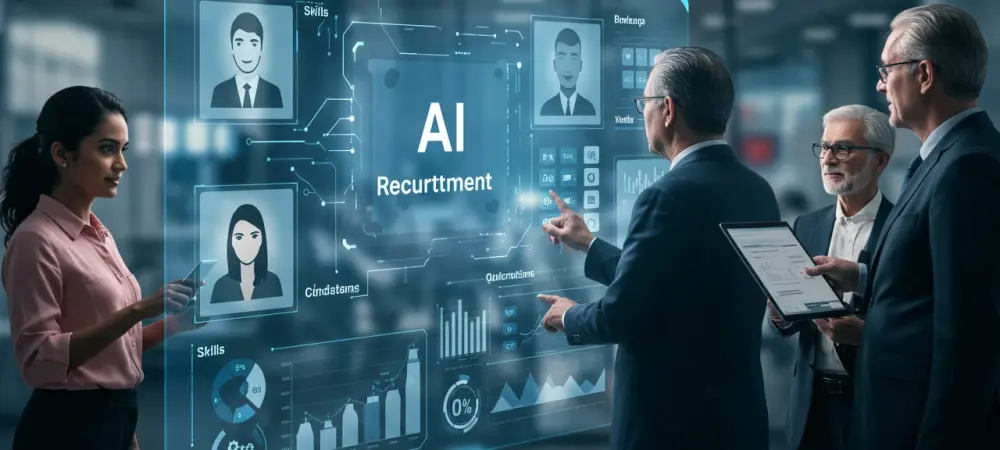
Imagine a world where recruiting the right candidate isn’t a long, tedious process fraught with bias. What if recruitment could be both swift and fair? Traditional recruitment has long faced criticisms for inefficiencies and prejudices that can disadvantage deserving candidates. A striking statistic reveals that firms can take up to 42 days to fill a position, sometimes making the right choice challenging under pressing deadlines. The need for a blend of speed and fairness in hiring becomes evident, pushing companies toward innovative solutions.
Why AI in Recruitment is More Relevant Than Ever
In recent years, HR professionals have been navigating increasingly complex challenges, including diversity goals and changing job market dynamics. The modern workforce is evolving, driven by technology and globalization, requiring flexible and forward-thinking recruitment approaches. AI emerges as a crucial tool to tackle these complexities, especially in a competitive job market where a delay means potentially losing top talent to rivals. Innovative solutions are no longer optional but necessary for success.
How AI is Transforming Recruitment Processes
AI has introduced transformative changes across various recruitment stages, with resume screening becoming more efficient and less biased. Automated tools now filter applications based on verified skills, swiftly narrowing down candidates more objectively than ever before. AI-driven video interviews represent another leap forward, allowing companies to analyze responses and screen candidates swiftly. Studies indicate such tools have enhanced hiring success rates, optimizing matches beyond mere qualifications to include personality and growth potential.
Expert Insights on AI in HR
Industry experts highlight AI’s pivotal role in revolutionizing HR practices. A prominent HR professional recently expressed how AI tools have markedly improved recruitment efficiency, allowing more focus on strategic tasks. Meanwhile, companies integrating AI effectively into their HR processes report noticeable enhancements in candidate quality. Research supports these anecdotes, showcasing AI’s effectiveness in boosting recruitment objectivity and pace. The voice of experts continues to champion the integration of AI within HR.
Practical Applications and Strategies for HR Professionals
Successfully incorporating AI into recruitment demands strategic application. HR professionals should combine AI tools with human oversight, ensuring that fairness prevails in the hiring process. Maintaining personal connections and applying human judgment are crucial amidst the rising tide of automation in HR practices. Establishing clear protocols that balance technological efficiency with human empathy remains a top priority for modern recruiters as they navigate these evolving landscapes. AI has indeed reshaped recruitment, bringing operational efficiency and fairness to a new level while necessitating vigilant human oversight. As AI’s role grows within HR, balancing technological advancements with human insight has become essential to nurturing a recruitment culture that is both innovative and empathetic.