

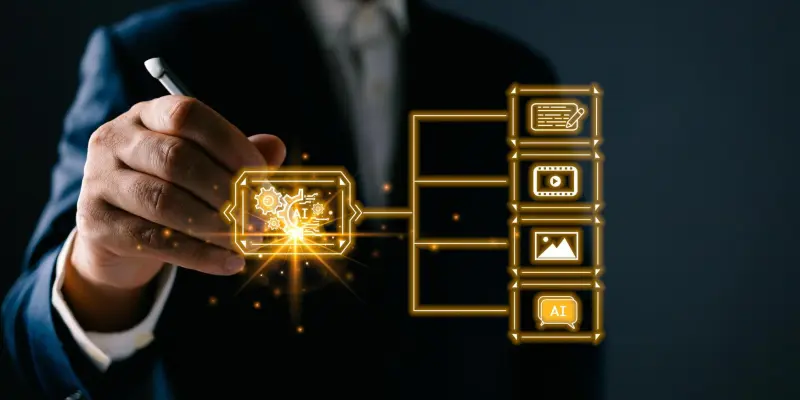
In the rapidly evolving world of art and music, artificial intelligence (AI) is emerging as a transformative force that reshapes how artists and musicians create and interact with their work. AI’s influence in these creative fields is not about replacing human talent but fostering a collaborative environment where technology and human creativity converge. Artists use AI tools to push the boundaries of traditional art forms, creating works that were once unimaginable. This fusion is apparent in generative art, where algorithms analyze vast datasets and learn from existing artworks to produce unique visual pieces. These AI-generated creations often surpass human limitations, offering fresh perspectives and introducing new techniques into the creative process.
In the realm of music, AI acts as a composer, suggesting melodies, assisting in harmonization, and even producing entire tracks. Musicians facing creative blocks or seeking to explore new musical directions find AI to be an invaluable partner in their artistic journey. The technology’s ability to offer personalized experiences makes music creation more accessible to individuals who may lack formal training. This democratization of creativity lowers the barriers to entry, allowing a broader range of people to express themselves artistically. As these tools become more widespread, the role of AI in supporting and enhancing human talent continues to grow.
However, the integration of AI into creative industries also raises significant ethical questions. Issues around authorship and ownership of AI-generated content spark debates about the value and authenticity of machine-produced art and music. The conversation often centers on the intricate balance between human ingenuity and machine efficiency, examining the implications for the future of creative expression. Despite these concerns, trends indicate a growing acceptance and integration of AI in artistic processes. Experts suggest that AI will continue to complement and enhance human creativity rather than replace it, highlighting the potential for groundbreaking advancements in art and music.
As the creative landscape evolves, AI stands as a catalyst for innovation, offering tools that augment human creativity and open new horizons for artistic exploration. The interplay between human and machine promises to redefine how art and music are conceived and appreciated, fostering a dynamic and inclusive environment for future creators. While ethical considerations remain a critical part of the discussion, the benefits of AI in democratizing access to creative tools and pushing the limits of traditional art forms are undeniable. This ongoing transformation signifies a new era where technology and creativity intersect, paving the way for a richer and more diverse cultural landscape. As AI continues to evolve, its role in the creative industries will undoubtedly expand, further intertwining human talent with technological prowess.