

Across the sprawling concrete canyons of modern urban development, a quiet revolution is unfolding as high-definition lenses paired with sophisticated algorithms begin to outpace human observation in the relentless pursuit of zero-fatality jobsites. This technological leap comes at a time when the construction sector faces an enduring challenge: maintaining absolute vigilance in environments that are inherently chaotic and constantly changing. While traditional safety protocols relied on the sharp eyes of a foreman or the periodic checks of a safety officer, the current landscape utilizes a digital layer of oversight that never blinks, never tires, and processes visual data at speeds no human could match.
The stakes for this digital transformation could not be higher, as the industry continues to grapple with a disproportionate share of workplace tragedies. With construction accounting for nearly one-fifth of all occupational fatalities in the United States, the traditional role of the security camera is being fundamentally redefined. No longer is the camera a passive observer relegated to forensic investigations after an accident; it has become an active participant in hazard mitigation. This shift represents a move from documenting history to actively preventing it, providing a crucial fail-safe for a diverse workforce that serves as the backbone of national infrastructure projects.
By leveraging computer vision, project managers are now able to transform raw video feeds into a stream of actionable safety intelligence. This integration of artificial intelligence serves as a tireless digital supervisor, capable of monitoring multiple high-risk zones simultaneously across vast and complex urban landscapes. As labor shortages and the demand for rapid project completion place more pressure on site crews, these AI-powered systems offer a much-needed buffer against the human error that often serves as the primary catalyst for jobsite injuries.
The Digital Watchman: Transforming Passive Footage Into Active Prevention
For decades, the standard construction site camera was a tool of liability, capturing grainy footage that sat on a hard drive until something went wrong. This reactive model meant that safety improvements were often built on the lessons of past tragedies rather than the prevention of current ones. However, the emergence of computer vision has turned these silent witnesses into proactive guardians. Modern systems now analyze every frame in real time, looking for deviations from safety protocols that might go unnoticed during a busy shift. This continuous oversight provides a layer of protection that bridges the gap between periodic manual inspections and the constant reality of on-site risks.
The true power of this digital watchman lies in its ability to offer a non-biased, data-driven perspective on jobsite behavior. Unlike human supervisors who may be distracted by administrative tasks or influenced by personal relationships with the crew, AI algorithms evaluate every movement against a set of objective safety parameters. This ensures that safety standards are applied consistently across the entire workforce, regardless of the time of day or the specific phase of the project. By identifying risky behaviors early, these systems allow for immediate intervention, effectively stopping the clock on an impending accident before it can escalate into a reportable incident.
Furthermore, this technology acts as a force multiplier for safety departments that are often stretched thin across multiple large-scale projects. Instead of requiring a safety officer to be physically present at every corner of a multi-story build, AI-powered cameras can flag specific events that require human attention. This allows safety professionals to focus their expertise where it is most needed, moving away from general surveillance and toward targeted, high-impact safety coaching. The result is a more efficient and responsive safety culture that prioritizes life over paperwork.
Why Vigilance Matters: Addressing the Persistent Danger of the “Fatal Four”
The necessity for high-tech intervention is underscored by the recurring nature of construction risks, which are often categorized by safety regulators as the “Fatal Four.” Falls from heights, struck-by incidents, caught-in or between hazards, and electrocutions remain the leading causes of mortality in the sector. Despite decades of rigorous training and manual inspections, these four categories continue to claim lives because they often stem from split-second lapses in judgment or environmental factors that change faster than a human can react. AI technology addresses these hazards at their source by providing a constant, automated check on the conditions that lead to these specific types of accidents.
Falls, the most prevalent of the Fatal Four, often occur when guardrails are temporarily removed or when workers fail to clip into their harnesses properly. AI cameras can be trained to recognize the absence of a safety line or a missing perimeter barrier, triggering an instant alarm that alerts both the worker and the supervisor. Similarly, struck-by incidents often involve heavy machinery operating in close proximity to ground workers who may be in a blind spot. By tracking the position of every person and piece of equipment on a site, AI systems can predict potential collisions and provide haptic or audible warnings to prevent contact.
Addressing these persistent dangers is also a matter of social equity within the industry. Latino workers and other essential labor groups often represent a significant portion of the boots-on-the-ground workforce in high-risk roles. These communities frequently bear the brunt of jobsite hazards, making the deployment of advanced safety tech a vital tool for ensuring that every laborer, regardless of their background or experience level, has the highest standard of protection. By providing a universal safety net through technology, firms can demonstrate a commitment to the well-being of the entire labor force.
Analyzing the Tech: From Computer Vision to Predictive Near-Miss Reporting
The transition to intelligent monitoring relies on three core pillars: continuous high-definition recording, automated behavioral analysis, and instantaneous alerting. The software behind these cameras utilizes machine learning models that have been trained on millions of images of construction sites to distinguish between a worker wearing a hard hat and one who is not. This computer vision allows the system to monitor personal protective equipment (PPE) compliance with incredible accuracy, flagging missing vests, goggles, or gloves as soon as a worker enters the site. This level of granular detail ensures that the most basic safety requirements are met before more complex tasks begin.
Beyond simple compliance, the most advanced systems are now moving into the realm of predictive analytics through the documentation of “near-miss” events. A near-miss is an incident that narrowly avoided causing injury, such as a tool falling from a height or a vehicle stopping just inches from a pedestrian. Traditionally, these events went unrecorded because no one was hurt and reporting them manually was seen as an administrative burden. AI cameras, however, capture these moments automatically, providing a treasure trove of data that reveals structural flaws or behavioral patterns that suggest a more serious accident is inevitable if left uncorrected.
This move toward predictive reporting changes the way risk is managed at the corporate level. By analyzing trends in near-miss data, safety directors can identify specific times of day or specific crews that are experiencing higher rates of close calls. This information allows for data-driven adjustments, such as shifting break schedules to combat fatigue or providing additional training for specific high-risk tasks. Instead of waiting for an injury to trigger a safety review, companies can now leverage AI insights to refine their protocols continuously, fostering a culture of constant improvement.
Lessons From the Field: How Industry Leaders Deploy AI Assistants and Vehicle Sensors
The practical viability of AI has already been demonstrated by major firms that have successfully integrated these tools into their daily operations. For instance, Turner Construction implemented a tool known as the “SafeT Coach,” which utilized AI to synthesize vast amounts of safety regulations into actionable guidance for field workers. This allowed supervisors to ask complex questions about federal compliance and receive instant, accurate answers, bridging the gap between high-level policy and on-site execution. Such applications show that AI is not just about visual monitoring, but also about making safety information more accessible to those who need it most.
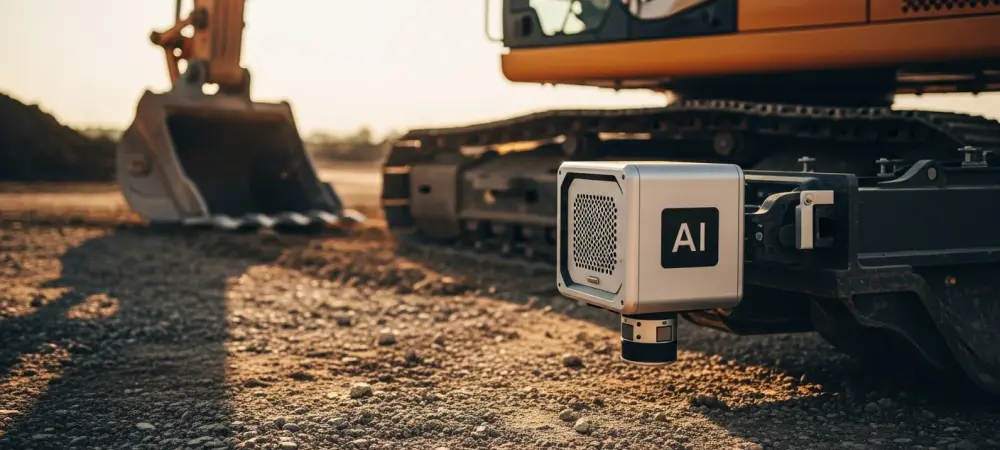
In a similar vein, Skanska utilized a “Safety Sidekick” assistant to help plan high-risk activities by identifying potential hazards based on site-specific data. This proactive approach allowed teams to visualize risks before a single shovel hit the ground, ensuring that safety was baked into the project’s DNA from the start. On the ground level, companies like Topcon revolutionized vehicle safety by deploying AI-powered sensors on heavy machinery. These sensors were designed to distinguish between inanimate objects like traffic cones and human beings in a driver’s blind spot, providing an essential layer of protection in noisy, crowded environments.
These real-world examples proved that AI is no longer a theoretical concept but a functional necessity for modern project management. The successful deployment of these technologies by industry leaders has set a new standard for risk mitigation, pushing the entire sector toward a future where “human error” is no longer an acceptable explanation for an accident. By showing that these systems can work in the mud, dust, and vibration of a real jobsite, these firms paved the way for broader adoption across the industry, proving that the technology is as durable as the structures it helps build.
Best Practices for Merging Artificial Intelligence With Human Safety Protocols
To maximize the benefits of AI-powered cameras, contractors must treat the technology as a supplement to, rather than a replacement for, human judgment and strict compliance with regulations. While an algorithm can detect a missing hard hat, it cannot understand the complex social dynamics or the specific environmental nuances that an experienced foreman recognizes intuitively. Successful strategies involved using AI as a tool to support the human element, fostering a framework of mutual accountability where technology provided the data and people provided the leadership and empathy required to manage a crew safely. Implementing a safety-first culture required a transparent approach to how data was collected and used. Workers needed to understand that the cameras were there for their protection, not as a tool for punitive surveillance. When crews saw that AI data was being used to improve their working conditions—such as by identifying a poorly lit stairwell or a faulty piece of equipment—they were more likely to embrace the technology. This trust was essential for the technology to function as intended, ensuring that safety remained a collaborative effort between the workers on the ground and the digital eyes in the sky.
Ultimately, the goal of merging AI with human protocols was to ensure that every worker returned home safely at the end of every shift. This required a commitment from laborers, designers, and owners to use every tool at their disposal to eliminate risk. By integrating AI into the broader safety ecosystem, firms were able to create a more resilient and responsive project environment. This holistic approach ensured that the industry didn’t just get smarter, but also became more compassionate, prioritizing the lives of the workforce above all else as they built the cities of tomorrow. The transition to AI-enhanced safety provided a clear pathway for reducing the most persistent hazards in the construction sector. By identifying real-time risks like PPE non-compliance and proximity dangers, these systems acted as a vital fail-safe for crews across the country. The industry moved toward a model where every data point served a greater purpose in worker preservation. Safety directors abandoned the reactive stance of the past and embraced a framework where predictive analytics shaped daily briefings. This shift required contractors to invest not only in hardware but in the cultural readiness of their teams to act on automated insights. By treating these digital assistants as essential partners, the sector successfully began to bridge the gap between high-risk activity and a guaranteed safe return home.