

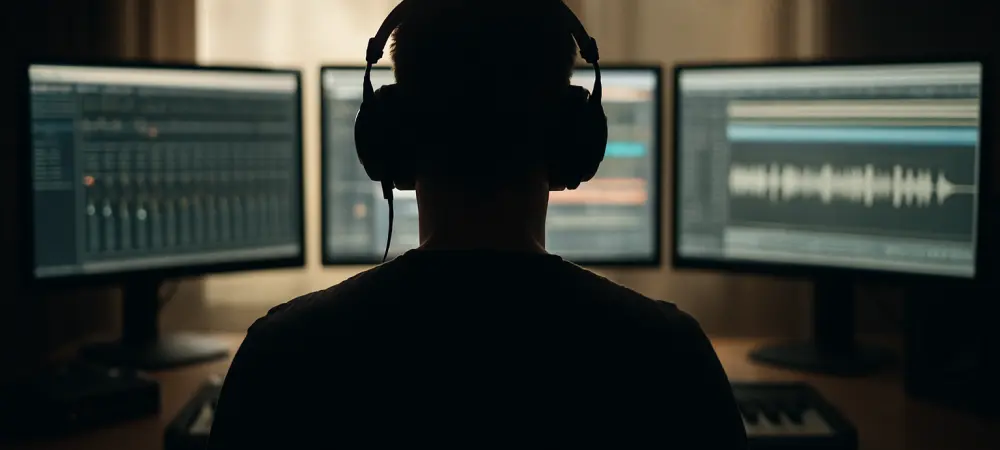
The rapid democratization of professional-grade audio synthesis has fundamentally shifted how independent creators approach the complex intersection of melodic composition and digital arrangement. This technological shift is not merely about automating the production of sound but about refining the relationship between human intent and machine execution. In 2026, the field has transitioned from basic algorithmic MIDI generation to sophisticated neural networks capable of synthesizing high-fidelity audio that includes convincing vocal timbres and intricate rhythmic textures. This evolution provides a bridge for creators who may lack formal music theory training but possess a strong vision for their auditory output.
Evolution and Core Principles of AI Music Generation
The core principles of modern music generation rely on deep learning architectures that have been trained on vast datasets of spectral audio data. Unlike early systems that followed rigid, rule-based instructions, these contemporary models utilize transformer architectures to predict the next sequence of sound based on a massive matrix of probability and stylistic patterns. This allows the technology to capture the “feel” of a genre, such as the syncopation of jazz or the aggressive compression of modern pop, rather than just the mathematical notes.
The emergence of these tools within the broader technological landscape reflects a move toward decentralized creativity. As processing power has become more efficient, the ability to generate complex arrangements has moved from high-end studios to accessible web interfaces. This democratization means that the barrier to entry for high-quality audio production has been virtually eliminated, allowing the focus to shift from technical execution to the clarity of the initial creative spark.
Essential Features and Evaluation Benchmarks
Multi-Modal Input Flexibility and Prompting
A critical benchmark for any robust generation platform is how it handles varied starting points. High-performance systems do not restrict users to a single input method; instead, they accommodate abstract text descriptions, existing lyrical sheets, or even hummed melodic fragments. This multi-modal flexibility is essential because it respects the non-linear nature of inspiration, allowing a creator to start with a specific mood or a fully formed verse without being forced into a rigid template.
The performance of these systems is measured by how accurately the engine translates these inputs into a coherent musical structure. When a platform can interpret a short audio snippet and expand it into a full arrangement while maintaining the original pitch and tempo, it demonstrates a high level of contextual awareness. This adaptability is what differentiates professional-grade tools from simple generative novelties, as it allows for a more personalized and less generic output.
Descriptive Precision and Natural Language Processing
The sophistication of Natural Language Processing has enabled a level of descriptive precision that was previously unattainable. Users can now utilize nuanced instructions regarding vocal style, instrumentation, and atmospheric quality to shape the final product. For instance, requesting “a sibilant female vocal with heavy plate reverb and a vintage 1970s analog synth pad” yields specific results because the AI understands the technical and historical context of those terms. This precision is vital for professional applications where “generic” is never enough. The ability to iterate on these descriptions using natural language means that the user can conduct the AI like a studio band, making micro-adjustments to the energy or the “color” of the sound. This level of control ensures that the technology serves as a collaborative partner that responds to artistic direction rather than a random generator that produces unpredictable noise.
Post-Generation Ecosystems and Iterative Tools
The value of an AI music platform is significantly enhanced by its surrounding ecosystem of auxiliary tools. An effective workflow requires more than a single “generate” button; it needs features for lyric refinement, stem separation, and audio-to-audio transformation. These tools allow for an iterative process where a generated track is just the beginning of a larger creative journey, enabling producers to isolate specific elements like drums or vocals for further manual mixing.
Furthermore, these ecosystems often include collaboration features and cloud-based libraries that facilitate a professional production cycle. By providing the means to tweak and transform the AI’s initial output, platforms ensure that the final song is a polished, professional product. This iterative capability is what transforms a simple tool into a comprehensive workspace, bridging the gap between a raw concept and a commercially viable track.
Latest Developments and Industry Trends
Current trends in 2026 show a significant shift toward real-time co-creation and interactive generation. Instead of waiting for a file to render, creators are increasingly using platforms that generate audio in a live environment, responding to changes in parameters instantaneously. This move toward “live” AI interaction is transforming the role of the producer into that of a high-level curator who manages a stream of musical ideas in real time.
Moreover, there is a growing emphasis on “ethical” models that are trained on licensed datasets with clear attribution. As the industry matures, the focus is shifting from purely technical capabilities to the transparency of the training data and the legal security of the output. This trend is driven by a market that demands not only high-quality music but also the rights to use that music commercially without the risk of future copyright litigation.
Real-World Applications and Creative Implementations
The applications for generative music technology have expanded far beyond amateur experimentation. In the marketing and gaming industries, these tools are used to create dynamic, adaptive soundtracks that change based on user behavior or narrative progression. Indie game developers, in particular, have leveraged this technology to produce cinematic scores that would have been financially out of reach just a few years ago.
In the realm of social media and content creation, AI song makers have become essential for producing unique, royalty-free background music that aligns perfectly with the pacing of a video. Notable implementations include platforms that allow influencers to generate “signature sounds” that help define their brand identity. These use cases highlight how AI is being deployed to solve practical problems in the creative economy, providing tailored solutions at a fraction of the traditional cost.
Technical Hurdles and Market Challenges
Despite the rapid progress, several technical hurdles remain, particularly concerning the “uncanny valley” of synthetic vocals. While instruments are often indistinguishable from the real thing, the human voice possesses nuances in breath, emotion, and pronunciation that can still sound artificial in certain contexts. Ongoing development efforts are focused on improving the emotional intelligence of vocal synthesis to make it sound more natural and less robotic.
Market challenges also persist, especially regarding the perceived value of AI-generated content. There is a lingering skepticism among traditionalists who argue that machine-made music lacks “soul.” Additionally, the complexity of licensing laws across different jurisdictions creates a fragmented market. Overcoming these obstacles requires not only technical refinement but also a concerted effort to establish industry-wide standards for transparency and creator compensation.
The Future of AI in Music Composition
Looking ahead, the trajectory of this technology points toward hyper-personalization and deep integration with wearable technology. Future developments may see music that adapts in real time to a listener’s physiological state, such as heart rate or brainwave activity, creating a truly immersive and unique experience for every individual. This represents a paradigm shift from music as a static product to music as a living, breathing service.
The long-term impact on the industry will likely be a redefinition of what it means to be a composer. As AI takes over the more tedious aspects of arrangement and mixing, the human element will be increasingly focused on high-level conceptualization and emotional storytelling. This transition will likely lead to a new era of artistic expression where the only limit is the breadth of the creator’s imagination.
Conclusion: Assessing the Collaborative Potential of AI
The exploration of AI music generation platforms revealed a technology that had moved past its experimental phase into a state of professional utility. The analysis showed that the most successful tools were those that prioritized workflow integration, descriptive precision, and input flexibility. The transition from automated sound generation to a genuine collaborative partnership provided a clear path for independent creators to achieve studio-quality results. These findings suggested that while the machine handled the technical complexities of synthesis, the human director remained the essential source of artistic intent. The verdict favored platforms that acted as a bridge between raw inspiration and polished composition, ultimately proving that the synergy between human and machine was the most effective driver of modern musical innovation. This assessment established a framework for future adoption, emphasizing that the value of AI lay in its ability to amplify, rather than replace, the creative spirit.