

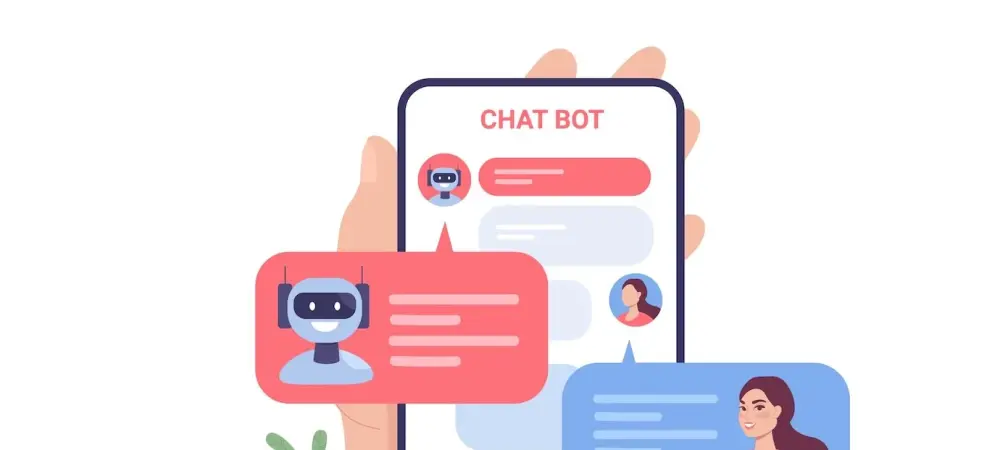
Surrounded by a world driven by artificial intelligence, the need to be heard and understood has taken new forms, notably through AI-driven chatbots. These ingenious machines, trained meticulously, offer businesses unmatched opportunities to engage users more effectively. Amid the digital transformation, Meta has ventured forth with fresh initiatives to transform how users interact with AI chatbots. By exploring cutting-edge engagement tools, such as unsolicited follow-up messaging, the question arises: How significant is this leap toward revolutionizing user interactions?
Core Features of AI Chatbot Engagement Tools
At the heart of these advancements lies a threefold commitment: improvement of user engagement, enhancement of personalized interactions, and elevation of retention rates. Meta’s collaboration under Project Omni challenges existing norms by training chatbots to remember past dialogues and weave that knowledge into subsequent conversations. This practice aims to bridge the gap between simple task-oriented responses and comprehensive engagement experiences, showcasing how chatbots can truly recognize and respond to user-specific needs. Proactive engagement features are pivotal for fostering dialogue between users and chatbots effectively. The ability of chatbots to initiate follow-up messages within 14 days marks a strategic shift from passive attempts to engage users to active interactions that offer value. For instance, suggesting movies, if mentioned previously, asserts a continuous flow, seamlessly blending past interaction with new prompts. This proactive approach not only strengthens user retention but also signifies a step toward creating enriching exchanges that resonate with users on deeper levels.
Personalization and contextual awareness further integrate the user’s unique interests and behavior into interactions, ensuring users feel understood and valued. Meta’s initiative to harness AI tools that adapt communication based on previous conversations exemplifies a tailored experience crafted meticulously to user interests. By analyzing past interactions, chatbots can determine user preferences and anticipate needs, ultimately ensuring that every interaction carries a meaningful context, enhancing user satisfaction and fostering loyalty.
Emerging Trends in AI Chatbot Engagement
The technological ecosystem surrounding AI chatbot engagement tools continues to evolve, introducing sophisticated elements that redefine interaction mechanics. Recent trends highlight a shift in consumer expectations, with increased demand for advanced personalization, predictive capabilities, and seamless integration across platforms. As businesses recognize these rising consumer trends, the landscape of AI chatbots undergoes remarkable transformations emphasizing flexibility, accuracy, and responsiveness, fundamentally reshaping user interactions and expectations.
Industries are gearing up to leverage these advancements, utilizing AI chatbots to transform customer service and engagement strategies. Sectors such as retail, healthcare, and banking are spearheading these implementations, adopting AI chatbots to automate and innovate their service offerings. Each application stands as a testament to the adaptive capabilities of AI technologies, demonstrating how versatile AI chatbots can cater to specific industry needs, streamline processes, and elevate user experience to new heights of efficiency.
Challenges and Limitations
The rise of AI chatbots, however, is not without its hurdles. Technical constraints often limit the full potential of AI capabilities, while regulatory challenges surrounding privacy and data protection remain crucial considerations. Addressing these challenges requires strategic innovation focused on expanding data security measures and refining AI algorithms to operate within legal frameworks without compromise. Efforts are underway to overcome these limitations, aiming toward robust chatbot adoption that balances technological advancements with ethical responsibilities.
Future Trajectory of AI Chatbot Engagement Tools
Looking ahead, AI chatbot engagement tools hold the promise of continuous innovation and expansive integration across various domains. With Meta’s commitment to developing highly intelligent chatbots, the prospect of breakthroughs in interaction quality and user engagement could redefine industry standards. Long-term impacts of these advancements may catalyze a future where AI chatbots facilitate deeper, more meaningful interactions, reshaping societal norms and fueling enterprise growth. The road ahead reflects a dynamic trajectory characterized by persistent evolution, inventive breakthroughs, and impactful transformations in communication landscapes.
In conclusion, AI chatbot engagement tools have showcased substantial potential amid technological exploration and strategic implementation. The review of Meta’s proactive advancements reveals insightful glimpses into how tailored approaches, driven by AI technologies, can redefine user interaction paradigms. As industries strive to optimize these capabilities, understanding the nuanced dynamics within AI chatbot engagements will pave the way for transformative experiences designed to foster more connected and engaged digital societies.