

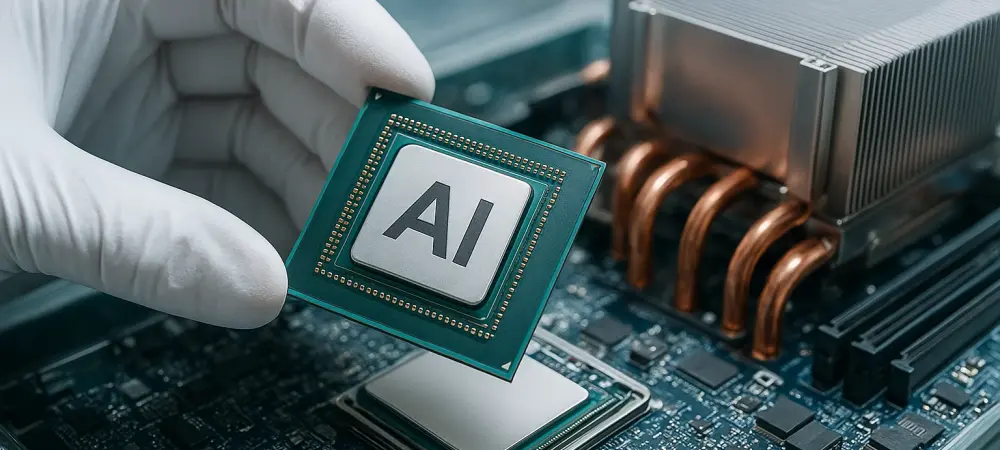
The electricity required to fuel a single high-end generative model training session now rivals the monthly output of a mid-sized power plant, pushing our aging utility networks toward a definitive breaking point. The quiet hum of data centers is transforming into a roar that the world’s electrical infrastructure was never designed to sustain. In 2026, the global demand for data center power is hitting a staggering 565 terawatt hours, representing a 26% surge in just a single year. This isn’t a gradual climb; it is a vertical spike driven by the insatiable appetite of Large Language Models. As artificial intelligence transitions from a niche tool to a global utility, the physical wires and transformers of the power grids are reaching their operational limits.
The 2026 Energy Threshold: Where Silicon Meets the Socket
The current year marks a fundamental transformation in how energy is distributed across the digital landscape. As more industries integrate automated reasoning and real-time generation into their daily workflows, the baseline energy requirements for standard digital services have tripled. This 2026 threshold represents more than just a higher bill for tech giants; it signifies a period where the digital and physical worlds are in a state of constant friction.
The density of energy consumption within these facilities has reached levels that challenge even the most modern cooling technologies. With high-density racks now common, the energy needed to keep systems from melting is becoming as significant as the energy needed to run the computations themselves. This necessitates a total rethink of urban planning, as power grids must now accommodate localized spikes in demand that were previously unimaginable for a commercial district.
Why the AI Appetite Changes the Energy Equation
The shift lies in the hardware powering the modern web. Traditional servers are being sidelined by AI-optimized chips that consume significantly more electricity per square foot. By 2027, AI-specific hardware is expected to surpass conventional servers in total power consumption, marking a permanent shift in how digital infrastructure interacts with the physical world. This transition creates a direct competition between the growth of the digital economy and the stability of residential and industrial power supplies.
While a typical cloud storage server might idle at low power during off-peak hours, an AI cluster remains high-active throughout its operational cycle. This constant draw on the grid removes the buffer that utilities once used to manage peak loads during heatwaves or extreme winter events. Consequently, the industry is moving toward a model where power consumption is no longer variable, but a relentless, heavy-duty load.
Mapping the Grid’s New Critical Failure Points
While the U.S. data center demand is forecast to climb to 66 gigawatts by 2027, infrastructure reality is lagging. Supply chain bottlenecks and permitting delays mean that nearly half of scheduled power expansions may fail to materialize on time. The capacity gap is widening because the time required to build a new substation now exceeds the time it takes to deploy a new AI cluster by a factor of three.
The battleground for AI supremacy is shifting away from low real estate costs toward grid reliability. Regions like Texas and Georgia are currently maintaining an edge due to robust power pipelines, while the Mid-Atlantic and New England face severe reliability risks that could lead to a moratorium on new projects. Looking toward 2030, total consumption is projected to reach 1,200 TWh, suggesting the current architecture is fundamentally insufficient.
Expert Perspectives: The Power Security Pivot
Research from Goldman Sachs and Gartner highlights a pivotal change in corporate strategy: power security is now the primary metric for site selection. Analysts suggest that the real estate phase of data center development is over, replaced by an era where access to a high-voltage connection is more valuable than the land itself. The focus has moved toward securing long-term energy availability as the ultimate competitive advantage for tech corporations. Experts warn that without a radical overhaul of how we permit and build high-capacity transmission lines, the AI revolution could be throttled by the very infrastructure meant to support it. This shift in perspective means that tech companies are no longer just software providers; they are becoming heavy industrial players who must negotiate directly with national energy regulators to ensure survival in a resource-constrained market.
Strategies for Navigating the Energy Bottleneck
Operators prioritized high-efficiency cooling to reduce the overhead energy wasted as heat, moving away from air-based systems toward liquid immersion techniques. This transition saved thousands of megawatt-hours annually and allowed for higher compute densities without jeopardizing equipment safety. They also pursued decentralization through edge computing, which allowed organizations to process data closer to the source and distribute the power load across a wider geography rather than concentrating it in overtaxed metropolitan hubs.
Leading tech firms became active energy players, investing directly in renewable microgrids and battery storage to ensure their operations remained independent of a volatile public grid. By integrating AI for power management, these organizations optimized energy distribution within the data center, turning a potential liability into a manageable asset. These proactive steps moved the industry toward a more sustainable equilibrium where computational growth no longer required the sacrifice of local grid stability.