

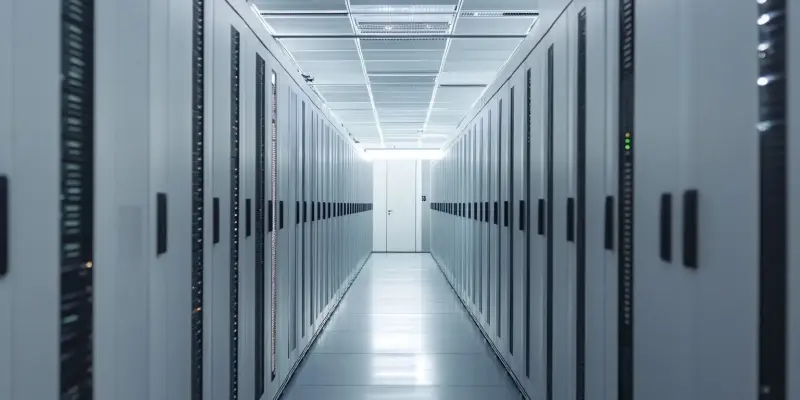
The recent surge in artificial intelligence (AI) advancements has driven demand for data centers to unprecedented levels, leading to historic lows in vacancy rates. In the latter half of 2024, data center vacancy rates in primary markets plummeted to a record low of 1.9%, according to CBRE research. This astonishing drop came despite a massive 34% year-over-year growth in supply, following a 26% increase in 2023. The scarcity of available spaces has put companies in a challenging position, especially with only a handful of large facilities for 2025 left unleased. The AI boom has indeed reshaped the industry landscape, creating an urgent need for more infrastructure.
Demand Driven by AI Advancements
The surge in AI technology, with companies like AWS, Microsoft, and Google Cloud at the forefront, has significantly increased the need for data center space. These tech giants have invested billions into infrastructure to develop and support AI capabilities, such as training large language models and facilitating AI-driven tools. Consequently, this AI boom has led to a spike in preleasing activity, putting pressure on rents and making it increasingly difficult for enterprises to find available space. The demand for these facilities is expected to remain high, with analysts forecasting that AI will continue to shape the IT landscape for the foreseeable future.
CBRE’s report highlights a critical trend in that AI workloads demand more power-intensive infrastructure, influencing site selection, design, and operational requirements. This means that data centers must adapt to these evolving needs by upgrading their facilities and ensuring they can handle the significant power requirements of AI applications. The extensive investments made by hyperscalers indicate a strong belief in the continued growth and importance of AI, further supporting the need for robust data center infrastructure.
Capacity Crunch and Preleasing Challenges
The capacity crunch has led to projections of larger data centers becoming the norm. CBRE anticipates that 100-plus megawatt facilities will soon be standard, forcing enterprises to prelease spaces years in advance to meet future requirements. For example, JPMorgan Chase is reportedly planning its capacity needs 5 to 10 years ahead to avoid potential compute shortages. This forward-thinking approach emphasizes the importance of strategic planning in securing the necessary data center space for future operations.
The varying vacancy rates by region also underscore the broader implications of this trend. Northern Virginia, for instance, experienced less than 0.5% availability despite a significant increase in data center construction. Meanwhile, Chicago saw a 3.2% vacancy rate alongside a staggering 125% increase in buildout. These disparities highlight the competitive nature of the market and the necessity for companies to act quickly and strategically to secure the required space.
Impacts on Enterprises and Market Dynamics
In this tight market, enterprises with substantial requirements are often at an advantage. Companies needing larger spaces, such as those with 10-megawatt demands, are more likely to secure facilities than those with smaller requirements. This marks a shift from just four years ago when a 5-megawatt requirement would have elicited multiple responses from providers. The current environment favors large enterprises that can plan ahead and commit to significant long-term investments.
The rising rents and low vacancy rates pose considerable challenges for all but the largest enterprises. Those without adequate foresight and early planning risk falling short on compute capacity, underscoring the critical nature of preleasing and strategic planning in today’s market. The broader implications of AI-driven demand on the data center industry highlight the need for ongoing investment and adaptation to evolving infrastructural requirements. Companies must remain vigilant and proactive to navigate the complexities of securing data center space in this competitive landscape.
As the AI boom continues to drive significant investment and demand, the data center industry will need to keep pace with these advancements. Organizations must stay ahead of the curve by planning for future needs, investing in scalable infrastructure, and maintaining a flexible approach to site selection and design. The historic lows in vacancy rates seen in 2024 serve as a potent reminder of the transformative power of AI and the importance of strategic planning in meeting the growing demands of this dynamic industry.