

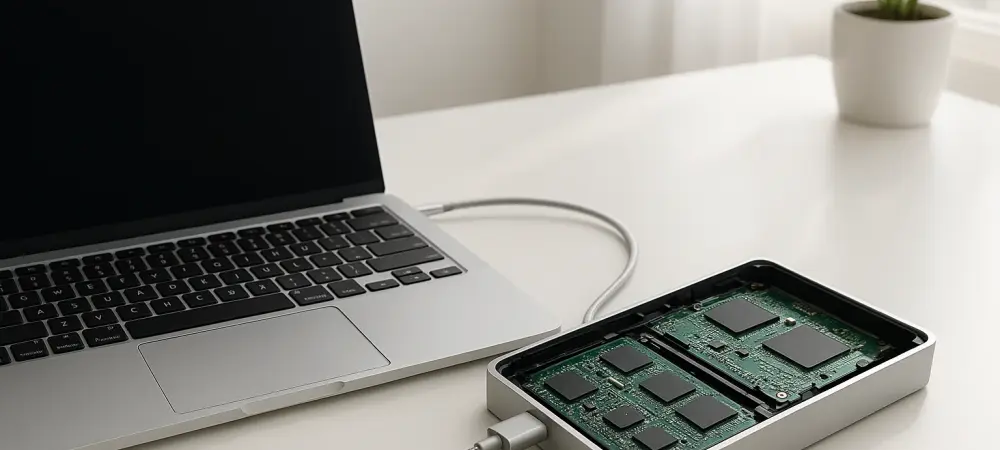
The traditional wall between proprietary hardware protocols and seamless cross-platform compatibility is finally starting to crumble under the relentless efficiency of modern agentic artificial intelligence tools. This evolution represents a fundamental shift in how developers interact with the deepest layers of system software, turning once-impenetrable hardware silos into flexible, adaptable assets. By moving beyond simple code suggestion to active problem-solving, AI-assisted development is redefining the lifecycle of consumer electronics and the technical requirements for low-level systems engineering.
This review explores the emergence of agentic frameworks that do not merely write code but actively participate in the debugging and synthesis of hardware drivers. We are witnessing a transition from a world where hardware was often discarded due to lack of manufacturer support to one where community-driven, AI-enabled solutions provide a second life for “obsolete” devices. The focus remains on how these tools bridge the gap between high-level intent and the granular, often undocumented realities of hardware communication.
Introduction to AI-Assisted System Engineering
The emergence of AI-assisted system engineering has fundamentally altered the landscape of low-level programming by lowering the barrier to entry for complex driver development. Historically, writing a hardware driver required an intimate understanding of kernel architectures, memory management, and proprietary communication protocols that manufacturers rarely shared. This expertise was siloed within specific engineering teams, leading to a significant gap in hardware support whenever a manufacturer decided to deprecate a product or ignore a specific operating system like macOS. Today, the democratization of these capabilities is driven by the integration of large language models into agentic workflows. These tools function by synthesizing existing open-source knowledge with real-time feedback from the target system, allowing developers to navigate the “dark matter” of undocumented hardware. By providing a bridge between disparate platforms, this technology ensures that a device designed for one ecosystem can function natively in another, effectively neutralizing the restrictive practices of hardware manufacturers and fostering a more open technological landscape.
Technical Architecture and Collaborative Framework
Agentic AI and Iterative Debugging
The primary differentiator of modern agentic AI tools is their ability to function as active collaborators rather than static code generators. Unlike standard autocomplete engines, an agentic system like Claude Code can observe the results of its own execution, read terminal error messages, and iterate based on empirical evidence. This closed-loop system is essential for driver development, where the first iteration of code almost never works due to the unpredictable nature of hardware timing and proprietary signaling.
In this collaborative framework, the human developer provides the strategic intent, while the AI manages the tactical execution of low-level tasks. When a hardware device returns an obscure error code, the agentic AI can instantly cross-reference that code with vast repositories of technical documentation and similar open-source projects. This allows the tool to propose and test a series of patches in rapid succession, a process that would traditionally take a human developer days of manual research and trial-and-error debugging.
Protocol Synthesis and Driver Architecture
Developing a functional driver requires the synthesis of several complex technical domains, ranging from USB communication protocols to specific raster image processing languages. The architecture of a modern AI-assisted driver often involves the Common Unix Printing System (CUPS) and complex filter chains that translate digital documents into physical dots. Tools like SPL3, a proprietary Samsung Printer Language, present a significant challenge because they lack public documentation and deviate from industry standards like PostScript or PCL. The AI facilitates this synthesis by analyzing existing filters and adapting them to the specific nuances of the target hardware. It can identify patterns in data streams and suggest the necessary PJL (Printer Job Language) headers required to wake a device or initiate a print job. By managing the complexities of the IOKit framework on macOS, the AI ensures that the driver can communicate directly with the hardware at a native level, bypassing the need for inefficient abstraction layers or third-party libraries that often introduce latency and security vulnerabilities.
Innovations in Hardware Interoperability
The most significant recent innovation in this field is the move toward native, C-based solutions that replace cumbersome containerized workarounds. In the past, running an unsupported printer on macOS might have required a Linux container to host a proprietary driver, which then piped data back to the host system. This approach was technically functional but suffered from high overhead and a poor user experience. AI-assisted development has simplified the process of porting these proprietary codecs into native C code, allowing for direct integration with modern architectures like Apple Silicon.
This shift toward native code is crucial for the longevity of hardware in an era of rapid architectural transitions. As operating systems move toward stricter security models and more efficient processing, legacy workarounds become increasingly fragile. AI-assisted coding provides the specialized knowledge needed to navigate these native security frameworks, ensuring that drivers remain compatible with the latest system integrity protections. This trend encourages a culture of consumer-led development, where the utility of a product is determined by its physical capability rather than the manufacturer’s software roadmap.
Real-World Applications and Use Cases
A compelling real-world application of this technology was seen in the reclamation of the HP Laser 1008a, a modern printer that was paradoxically restricted to Windows and Linux environments. Despite being a capable piece of hardware, it lacked the AirPrint support and native macOS drivers necessary for use in the Apple ecosystem. Through an intense, AI-assisted development session, a native driver was produced that transformed this “locked” peripheral into a fully functional macOS device, integrated directly into the system’s standard print dialogue.
Such implementations demonstrate how community-driven development can effectively replace missing manufacturer support. By identifying that the HP Laser 1008a was essentially a rebadged Samsung device using the SPL3 language, developers used AI to bridge the specific rasterization gaps that older open-source drivers could not handle. This case serves as a blueprint for addressing niche hardware incompatibilities across the consumer electronics sector, proving that with the right tools, individual users can overcome the limitations of planned obsolescence.
Technical Hurdles and Market Obstacles
Despite the impressive progress, the technology faces significant hurdles, particularly regarding the navigation of proprietary raster languages and modern security frameworks. Manufacturers often use “security through obscurity” to protect their intellectual property, making it difficult for AI tools to perfectly reconstruct the logic of proprietary codecs. Furthermore, the security frameworks of modern operating systems, such as macOS, require drivers to be properly signed and entitled, adding a layer of bureaucratic complexity that AI cannot solve through code alone.
There is also the persistent challenge of managing low-level system permissions and the risks associated with executing AI-generated code at the kernel or system level. While the agentic approach excels at iteration, it still requires a high degree of human oversight to ensure that the generated solutions do not introduce security vulnerabilities. These obstacles are compounded by the market reality of planned obsolescence, where manufacturers have a financial incentive to keep their hardware “closed,” creating a constant tug-of-war between community developers and corporate interests.
Future Outlook and Global Impact
Looking ahead, the trajectory of AI-assisted driver development points toward a massive increase in global code commits and the potential dissolution of platform barriers. From 2026 to 2028, we expect to see a surge in automated driver generation for a vast array of legacy and budget hardware, significantly reducing the amount of electronic waste produced globally. As AI models become more adept at understanding physical hardware through multi-modal inputs, the process of reverse-engineering proprietary protocols will become increasingly streamlined. The global impact of this technology extends beyond mere convenience; it represents a move toward a more sustainable and circular economy for electronics. When functional hardware is no longer discarded due to software incompatibility, the environmental footprint of the tech industry shrinks. In the coming years, the ability for an AI agent to automatically generate a functional driver for any connected peripheral will likely become a standard feature of operating systems, fundamentally changing the relationship between consumers, their hardware, and the companies that manufacture it.
Summary and Final Assessment
The integration of agentic AI into the realm of system engineering proved that the traditional boundaries of hardware support were more artificial than technical. This review examined how the transition from static code generation to active, iterative problem-solving allowed for the creation of native drivers in a fraction of the time previously required. The project successfully bypassed the limitations of proprietary languages like SPL3 and navigated the complexities of modern macOS architecture, resulting in a streamlined experience for the end-user. This development confirmed that AI has evolved into a reliable partner for solving low-level hardware challenges that were once the exclusive domain of specialized engineers. By synthesizing disparate technical requirements and providing a framework for rapid debugging, these tools facilitated the reclamation of hardware that would have otherwise been destined for a landfill. The final assessment indicated that the era of platform-locked hardware is nearing its end, as the combination of human intent and AI agency creates a more open, functional, and sustainable hardware ecosystem. This shift set a new standard for how developers will approach hardware interoperability and consumer empowerment in the years to follow.