

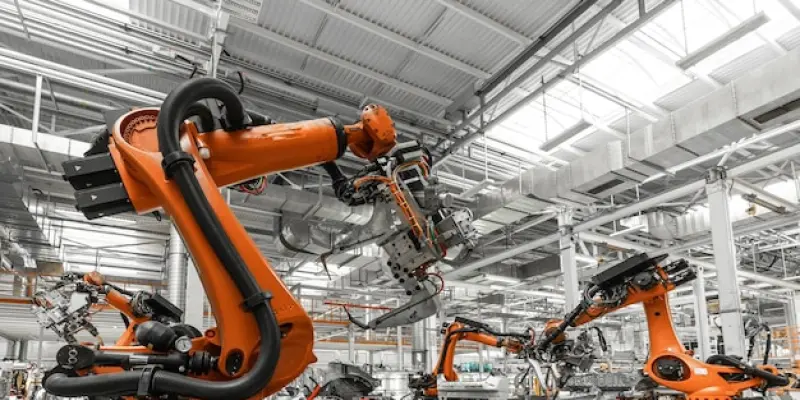
In today’s manufacturing landscape, the integration of AI and robotics is significantly reshaping pack assembly processes, producing transformative results, especially in industries requiring high-precision tasks and rapid adaptability. As factories evolve, these technologies redefine operations by orchestrating complex systems with precision typically attributed to experienced human workers. A noteworthy development is the deployment of AI-driven vision systems, capable of discerning minute discrepancies in product assembly. This sophistication aligns with the rising industrial demand for increased accuracy and efficiency in assembly lines, prompting a profound shift in both perception and application of robotics and AI in production environments worldwide.
Strategic Deployment of Automation
Modern pack assembly lines are witnessing a strategic infusion of robotics, AI, and automation techniques, fundamentally altering traditional manufacturing practices. Manufacturers are now intricately balancing the costs of automation against labor savings, assessing which operations can be efficiently handled by machines and which require human intervention. Consequently, many initial deployments are hybrid systems, integrating human oversight to guide robotic operations through complex, high-voltage tasks. Over time, the evolution of AI has led to more sophisticated systems capable of undertaking these responsibilities with minimal human input. As AI-driven vision systems grow more precise, and collaborative robots, or cobots, learn from machine-learning frameworks, the transition towards largely automated assembly lines becomes increasingly feasible and economically viable.
Implementing automation strategies focused on “right-sizing” rather than full automation is essential for achieving optimal results. This approach entails leveraging robots for tasks where they maximize value while enabling human operators in roles demanding versatility and strategic problem-solving. Hybrid systems, harmonizing the strengths of human judgment with robotic precision and endurance, aim to enhance productivity, quality, and operational safety. The adoption of these systems underscores a shift toward real-time, adaptable manufacturing environments where dynamic changes can be managed efficiently. The continued integration of advanced robotics into assembly lines marks an inflection point in manufacturing, aligning with wider industry goals of reducing manual oversight and enhancing output quality through technological means.
Evolution of Robotics in Assembly Lines
The transition from straightforward robotic tasks to systems infused with machine learning signifies a monumental advancement in assembly line operations. Robotics is evolving into a new paradigm where robots become adaptive learners, able to process information and apply learned insights in real time across various tasks. For instance, Covariant’s AI-powered robotic arms demonstrate this progress by achieving sophisticated item manipulation tasks surpassing the capabilities of traditional human-operated systems. Zivid’s 3D color cameras further emphasize this adaptability with AI vision systems capable of high-resolution imaging and identifying defects such as cracks or anomalies with remarkable precision. These technological advances represent a seismic shift in the capabilities of modern robotics, highlighting the extent to which these systems can revolutionize fault detection and enhance accuracy in operations.
Automation trends continue to advance with a focus on redundancy and fault tolerance. Pack lines are being designed using parallel robotic pathways that ensure continuity even if one unit fails. Automated Guided Vehicles (AGVs) employ dynamic adjustments to ensure seamless module transportation, while advanced software platforms constantly monitor throughput, automatically rerouting tasks to alleviate unforeseen bottlenecks. A case in point is Ford’s Livonia transmission plant, where such advancements allowed substantial gains in efficiency without necessitating widespread system overhauls, achieving noteworthy improvements in productivity and process optimization. This highlights an ongoing commitment to integrating and optimizing technological resources to create efficient yet adaptable manufacturing ecosystems.
Benefits and Challenges of Robotic Automation
As robotic automation becomes more ingrained in pack assembly, its advantages in safety and compliance come to the forefront. Businesses are increasingly utilizing AGVs to mitigate risks associated with pedestrian-robot interactions on factory floors. These vehicles map human movement patterns to enhance operational safety, reducing potential collisions significantly. In parallel, power-triggered safety zones within facilities halt robotic movements upon detecting human presence, providing efficient safeguards in sectors like aerospace and energy. Despite these clear benefits, companies, especially midsized enterprises, often face challenges related to initial capital investments when deploying advanced technologies like cobots and sophisticated vision systems.
Substantial financial commitments are necessary for full automation suites, but the long-term economic benefits typically justify these costs. Large investments upfront, such as Amazon’s billion-dollar push towards automation, aim to ensure substantial annual savings in the future. As AI integration deepens, the resulting labor savings and improved operational efficiencies offset initial expenditures, providing a favorable return on investment. The era of smart integration and judicious planning is fostering a strategic landscape where technological advances drive substantial financial gains and long-term sustainability.
Future Prospects of Smart Integration
In the contemporary manufacturing industry, the integration of AI and robotics is revolutionizing pack assembly processes, leading to remarkable transformations, particularly in sectors that demand precision and agile adjustments. As factories modernize, AI and robotics redefine operations by managing intricate systems with the precision often associated with skilled human workers. An outstanding advancement is the implementation of AI-powered vision systems, which can detect even the slightest discrepancies in product assembly. This advanced technology meets the growing industrial necessity for heightened accuracy and increased efficiency in assembly lines. It results in a significant shift in the way robotics and AI are both perceived and applied within production environments across the globe. As industries continue to embrace these cutting-edge technologies, the landscape of manufacturing is being reshaped, marking a new era where automation enhances productivity, ensures quality, and fosters innovation, ultimately setting new standards for future manufacturing processes.