

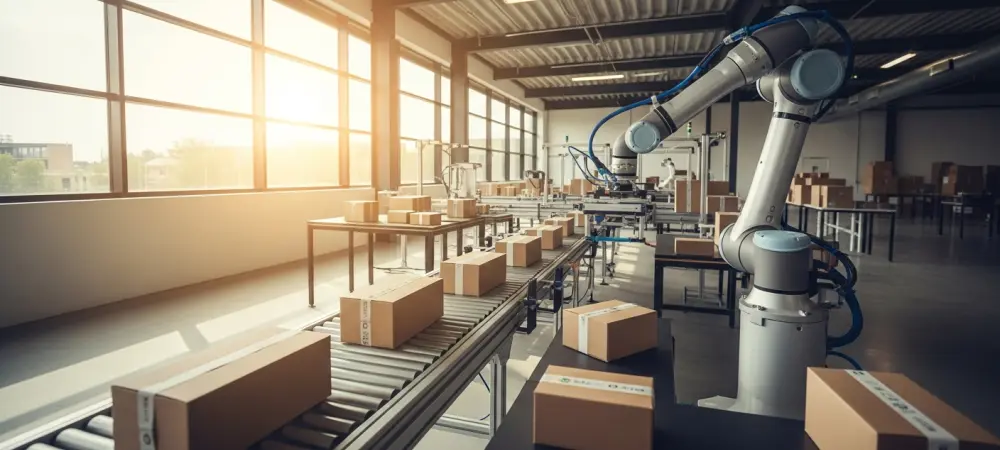
The global food and beverage landscape is currently navigating a period of unprecedented volatility characterized by fluctuating raw material costs and a shrinking labor pool. This environment has forced manufacturers to move beyond the limitations of legacy automation toward a more sophisticated integration of artificial intelligence and robotics. While previous decades focused on simple mechanical repetition, the current focus centers on creating systems that can perceive, learn, and adapt to changing conditions on the factory floor. These technologies are no longer confined to experimental laboratories but are actively deployed in large-scale facilities to ensure that production remains both profitable and safe. By leveraging massive datasets, companies are now able to bridge the gap between consumer demand and manufacturing capacity with surgical precision. This shift is not merely a technical upgrade but a fundamental reimagining of the global supply chain that prioritize resilience and transparency for all stakeholders involved in the modern industrial ecosystem.
Intelligent Autonomy: The Transition toward Data-Driven Operations
The transition from traditional automation to machine intelligence represents a fundamental change in how modern food processing facilities operate. Conventional systems rely heavily on rigid programming and manual human analysis, which often leads to delays in responding to production anomalies or equipment wear. In contrast, artificial intelligence introduces a layer of autonomous oversight capable of ingesting and processing massive datasets in real-time. This allows a facility to move from a reactive management style to a proactive one where the system itself identifies potential bottlenecks. By using sophisticated algorithms, manufacturers can now monitor every variable from ambient temperature to motor vibrations. Such deep-level monitoring ensures that the machinery operates within optimal parameters, drastically reducing the instances of unexpected downtime. Consequently, the role of the human operator has evolved to a strategic supervisor who interprets high-level insights rather than managing basic mechanical tasks. Predictive maintenance has emerged as a cornerstone of this intelligent framework, allowing companies to anticipate technical failures before they occur. By analyzing historical performance data and real-time sensory input, AI systems can schedule repairs during planned breaks rather than suffering through mid-shift breakdowns. This level of foresight is particularly valuable in the beverage industry, where high-speed bottling lines must maintain continuous operation to hit tight delivery windows. Beyond mechanical health, these systems also analyze energy consumption patterns to identify areas where resources are being wasted. Optimizing power usage not only lowers operational costs but also aligns production with broader environmental sustainability goals. As these algorithms become more refined through continuous learning, the precision of their predictions continues to increase. The resulting stability allows for a more predictable financial outlook, making it easier for firms to justify further investments in advanced technological infrastructure.
Precision and Resilience: Implementing Quality and Strategic Growth
Computer vision systems act as an unblinking eye on the assembly line, providing a level of scrutiny that far exceeds human visual capabilities. These high-speed cameras can identify microscopic contaminants, packaging defects, or labeling errors that would likely be missed by even the most diligent human inspectors. In the food sector, where safety is paramount, this technology ensures that every item leaving the facility meets the highest regulatory standards. These systems operate at the full speed of the production line, meaning that quality control does not become a bottleneck that slows down output. If a defect is detected, the AI can instantly trigger a robotic arm to remove the compromised item without halting the rest of the process. This immediate intervention prevents contaminated batches from reaching consumers, thereby protecting the brand reputation. The reliability of these systems has established a new benchmark for safety and consistency in global food production that was previously thought unattainable.
The strategic integration of robotics and intelligent software eventually proved to be the most effective solution for addressing the systemic labor shortages and rising costs that defined the era. Industry leaders who prioritized the adoption of collaborative robots successfully mitigated the physical strain on their workforce while simultaneously increasing throughput. These firms realized that the successful implementation of smart factories required a significant investment in human capital, specifically in training staff to manage complex digital environments. The transition was bolstered by the realization that cybersecurity and data integrity were as vital as the mechanical components themselves. By the time these systems reached full scale, the industry had established a robust framework for balancing rapid technological growth with environmental responsibility. Ultimately, those who embraced this holistic approach secured their position in a competitive global market, ensuring that food supply chains remained resilient against disruptions.
The journey toward full-scale industrial transformation highlighted the importance of standardized protocols for data sharing and machine interoperability. Organizations that successfully navigated these hurdles prioritized the development of internal talent, fostering a new class of technicians capable of bridging the gap between mechanical engineering and data science. This era of progress was marked by a shift away from isolated automation projects toward a unified digital ecosystem that linked every stage of the production cycle. Manufacturers that moved early to adopt these standards found they could pivot more quickly to changing consumer preferences and regulatory updates. By the time the industry matured, these early adopters had achieved a significant reduction in their carbon footprint through more efficient resource management. The lessons learned during this period of rapid innovation provided a blueprint for other sectors, demonstrating that technological advancement and human ingenuity could coexist effectively.