

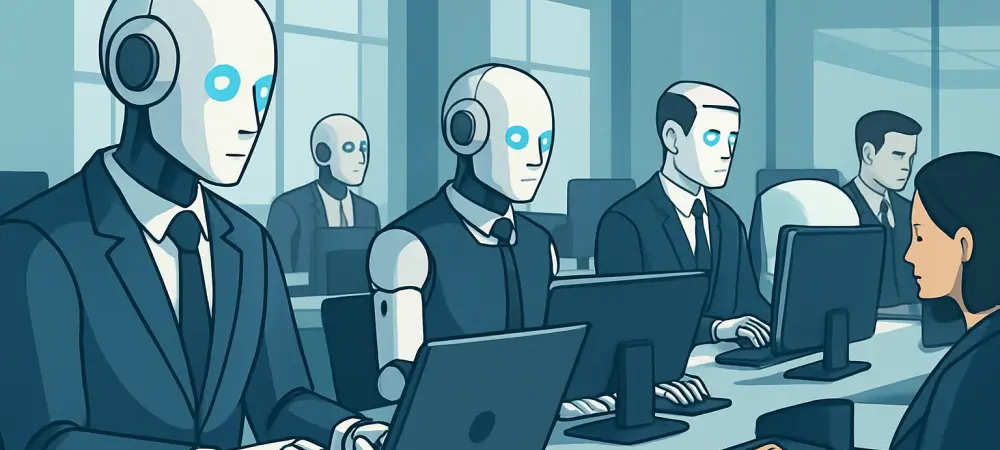
I’m thrilled to sit down with Dominic Jainy, a seasoned IT professional whose deep knowledge of artificial intelligence, machine learning, and blockchain has positioned him as a leading voice in tech innovation. With a passion for exploring how these cutting-edge tools can reshape industries, Dominic offers unique insights into the rise of AI agents as the new digital workforce. In our conversation, we dive into what makes AI agents stand out as digital workers, their growing role in business and everyday life, the impact on human jobs, and the challenges that come with their adoption. Let’s explore how this technology is transforming the way we work and live.
How would you describe AI agents, and what sets them apart from traditional software programs?
AI agents are essentially digital workers that can think and act based on their environment, unlike traditional software that just follows a set of hard-coded rules. They’re built to learn from data, adapt to new situations, and even make decisions on their own. For instance, a basic program might send an automated email, but an AI agent can analyze customer feedback, draft a personalized response, and improve its approach over time. What makes them unique is this ability to evolve—think of them as tools that get smarter the more they’re used.
What’s driving the rapid adoption of AI agents in businesses today?
Companies are jumping on board because AI agents deliver huge wins in efficiency and cost savings. They can handle repetitive tasks—like processing invoices or answering FAQs—around the clock without breaks, which cuts down on labor costs and speeds up operations. Beyond that, in a competitive market, staying ahead often means being faster and more precise. AI agents help with that by scaling operations without the need to hire more staff, allowing businesses to focus human talent on strategy and innovation.
Can you share a specific example of a task where AI agents outperform humans in the workplace?
Absolutely. Take customer service as an example. AI chatbots can handle hundreds of inquiries at once, providing instant responses to common questions like order status or return policies. Humans might struggle with that volume and speed, especially during peak times. Plus, AI doesn’t get frustrated or tired, so it maintains a consistent tone and accuracy, which can improve the customer experience significantly.
In what ways are AI agents becoming part of everyday work across different sectors?
They’re everywhere now, seamlessly integrated into daily operations. In customer service, AI chatbots resolve issues quickly without needing a human agent for every call. For data-heavy tasks, they analyze trends and generate reports in finance or logistics, saving hours of manual work. They’re also transforming marketing by personalizing ads and predicting customer behavior, which helps sales teams target the right audience. Essentially, they’re taking over the grunt work so humans can focus on bigger-picture thinking.
How do you see the rise of AI agents impacting human workers and the nature of their jobs?
It’s a mixed bag, but I lean toward optimism. Yes, some repetitive roles like data entry or basic customer support are already being automated, and that can feel unsettling. But this shift is also pushing humans into roles that require creativity, emotional intelligence, and complex decision-making—things AI can’t fully replicate. I see AI agents more as partners; they handle the tedious stuff, freeing us up to solve problems and innovate. It’s less about replacement and more about redefining what work looks like.
Outside of the workplace, how are AI agents improving life for everyday people?
They’re making things faster and more tailored to individual needs. In banks, AI speeds up loan approvals by analyzing applications in seconds, cutting down wait times. In retail or streaming services, they recommend products or shows based on your past behavior, creating a more personal experience. Even voice assistants like those on your phone help by answering questions or setting reminders, making information and organization accessible to everyone, regardless of tech savvy.
What are some of the key challenges or risks that come with relying on AI agents?
There are a few big hurdles. First, AI is only as good as the data it’s trained on. If that data is flawed or biased, the decisions it makes can be unfair or outright wrong, which can damage trust. Privacy is another concern—AI needs a lot of data to function, and ensuring that information is secure is critical. Lastly, for smaller businesses, the cost and complexity of implementing AI can be a barrier. It often requires upfront investment and expertise that not everyone has access to.
What is your forecast for the role of AI agents in the coming years?
I believe AI agents will become even more integrated into our lives, almost like teammates rather than just tools. We’ll likely see them taking on bigger roles in sectors like healthcare, education, and finance, working alongside humans to tackle complex challenges. The future workforce will be a true blend—humans guiding with creativity and empathy, while AI handles precision and scale. If we address the ethical and accessibility issues, I think this partnership could lead to incredible advancements in productivity and quality of life.