

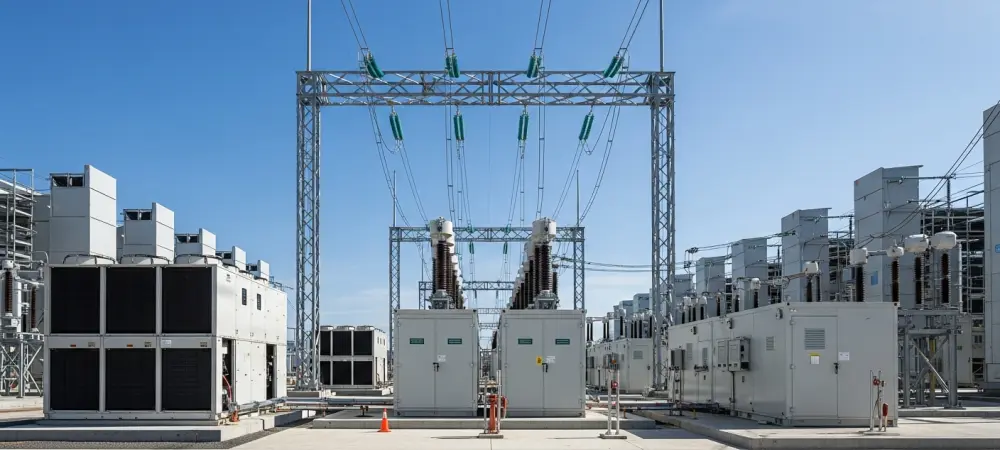
The rapid expansion of artificial intelligence throughout the African continent is placing an unprecedented strain on national electricity infrastructures that were never originally designed to handle such concentrated energy loads. While the current data center footprint in Africa remains relatively modest compared to global hubs, the projected surge in energy demand from 0.4 gigawatts to 2.2 gigawatts by 2030 signals a massive transformation. Success in this digital era hinges on the ability of policymakers and utility providers to view data centers as essential national infrastructure rather than private commercial ventures. The global race for artificial intelligence supremacy has fundamentally shifted into a competition for reliable electricity and grid capacity, where winners will be those who provide stable power at the scale required for high-performance computing. Integrating power and digital planning is no longer an option but a vital necessity for the continent.
1. The Accelerating Data Center Market in Africa
Current economic projections indicate that the African data center market is on the verge of an explosive growth phase, requiring significant capital to meet the needs of a digital-first economy. Recent analysis suggests that a construction investment ranging from $10 billion to $20 billion will be necessary over the period from 2026 to 2030 to develop the facilities required to support the rising tide of local data consumption. This financial commitment reflects a broader recognition that digital sovereignty and local processing are critical for economic resilience. Major regional players like Egypt, Kenya, Morocco, Nigeria, and South Africa are positioning themselves as primary hubs for this expansion, attracting international hyperscalers and local investors alike. The transition from experimental AI testing to full-scale enterprise production is forcing a reevaluation of how these projects are funded and built. Investors are prioritizing markets where the path to a reliable energy supply is clear.
Beyond basic storage requirements, demand is driven by the rapid adoption of generative AI technologies among local enterprises. Approximately 40% of African companies have already integrated AI tools into their daily operations, a figure that continues to rise as businesses seek to improve efficiency and customer engagement. This high adoption rate creates a direct need for local computing power, as data sovereignty laws increasingly mandate that sensitive information remain within national borders. Cloud service providers are responding by establishing more availability zones across the continent to reduce latency and improve service reliability. However, this growth is not uniform across all sectors, as industries like finance and healthcare require more robust security and higher uptime guarantees. Consequently, pressure on regional grids is intensifying as mission-critical facilities demand constant, uninterrupted power to function effectively for the region.
2. Global Lessons and Infrastructure Risks
To navigate the complexities of this expansion, African nations can look to the challenges faced by mature markets such as Ireland and the Netherlands. In these regions, the rapid proliferation of data centers reached a tipping point where national power grids could no longer support the massive influx of new connection requests. This saturation led to drastic measures, including temporary bans on new facility construction and strict limits on energy consumption to prevent widespread blackouts. These scenarios illustrate the risks of allowing digital development to outpace energy infrastructure planning. When demand for power exceeds the capacity of the distribution network, resulting instability affects the technology sector, domestic households, and small businesses. Avoiding these pitfalls requires a proactive stance, where energy regulators and data center developers engage in deep coordination long before any construction begins on a site.
A significant hurdle in the synchronization of energy and technology lies in the inherent timing mismatches between constructing a data center and upgrading a power grid. While a modern high-density facility can often be completed within eighteen to twenty-four months, the process of building new transmission lines and substations typically spans five to seven years. This disconnect creates a period of vulnerability where finished facilities sit idle while waiting for utility connections to be energized. In the African context, where grid infrastructure may already be fragile, this gap is even more pronounced and requires immediate intervention. Proactive planning must involve pre-approving designated sites for development where the grid is already being strengthened for industrial use. By coordinating these timelines, governments can ensure that digital growth acts as a catalyst for overall grid modernization rather than a parasitic drain on existing local resources.
3. Strategic Framework for Infrastructure Success
Achieving a balanced ecosystem requires an integrated planning framework that combines investments in energy, digital connectivity, and transport infrastructure. This multi-sector approach ensures that high costs associated with grid upgrades are distributed across several industries, leading to higher overall returns. Governments are encouraged to identify specific tech zones where the geographical concentration of fiber optic networks, water for cooling, and power lines can be optimized. By designating these zones, authorities can streamline the permitting process and provide a predictable environment for international tech firms looking to establish a presence. Furthermore, such clusters allow for more efficient network management, as utility providers can monitor and adjust power distribution based on specific load profiles of computing centers. This geographic strategy also facilitates the development of sustainable energy solutions for the surrounding community. Transitioning the perception of data centers from luxury digital assets to essential public services is a fundamental step in securing financing and regulatory support. These facilities are the backbones of modern banking, healthcare delivery, and government record-keeping, making their stability a matter of national security. When a data center goes offline, the ripple effects can paralyze electronic payment systems or disrupt critical medical databases, highlighting the need for a clear framework for their location. This designation as an essential service allows for creative financing models, where public-private partnerships fund the connections required for these sites. It also empowers regulators to mandate energy efficiency standards, ensuring that data centers contribute to the overall sustainability of the national power strategy. By grounding these digital hubs in a framework of public utility, the continent can foster an environment where technology serves the broader population.
4. Technical Recommendations for Power Resilience
Strengthening the resilience of the energy sector involves incorporating realistic AI forecasts into national power strategies while establishing transparent regulations for grid connections. These rules must clearly define how costs are shared between developers and utility providers to prevent the financial burden of upgrades from falling onto residential consumers. Effective cost-sharing mechanisms ensure that developers pay a fair share for the infrastructure they utilize while providing them with the certainty needed for capital. Moreover, the development of regional energy trade through power pools offers a robust solution for balancing supply and demand across borders. Sharing surplus power between neighboring countries creates a more stable supply that benefits high-consumption industries. Supporting energy-saving technologies like liquid cooling is also essential for minimizing the environmental footprint and total load while prioritizing cybersecurity for the grid systems.
The path forward for the African continent necessitated a decisive choice between waiting for grid weaknesses to emerge or proactively building a foundation for the AI economy. Leaders and stakeholders realized that by pairing ambitious computing goals with comprehensive power upgrades, the region could turn potential energy constraints into a competitive advantage. The successful implementation of these strategies involved several critical steps that ensured long-term sustainability. First, governments moved to integrate digital and energy planning departments to eliminate bureaucratic silos that previously delayed infrastructure projects. Second, regional power pools were strengthened to allow for the transfer of green energy to data hubs, ensuring that growth did not come at the expense of climate goals. Finally, the establishment of clear, investor-friendly regulatory frameworks provided the market stability required for multi-billion dollar commitments for the future.