

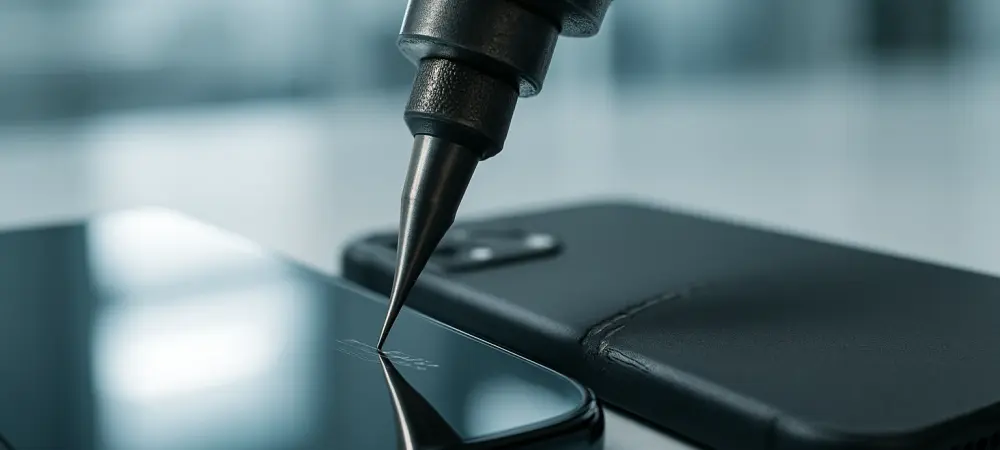
The evolution of smartphone materials signifies a monumental advancement in consumer electronics, transforming these devices from simple communication tools into sophisticated and durable daily companions. This review will explore the progression of these materials, their key features, performance metrics, and the profound impact they have on device durability, aesthetics, and overall user experience. The purpose of this analysis is to provide a thorough understanding of current material technologies, their inherent real-world trade-offs, and the potential trajectory of their future development.
The Evolving Science of Smartphone Construction
The journey of smartphone construction has been a rapid and transformative one, moving far beyond the simple molded plastics of early mobile phones. Today’s devices are intricate assemblies of advanced composites, treated metals, and engineered glass, each selected for specific properties. This shift highlights the growing relevance of material science, which has become a primary battleground for manufacturers seeking to differentiate their products in a fiercely competitive technological landscape.
Material choice is no longer just about function; it is a core component of brand identity and user perception. A device’s in-hand feel, its resistance to daily wear, and its ability to survive an accidental drop are all dictated by the scientific principles governing its construction. Consequently, the selection of chassis, frame, and panel materials has become a complex balancing act between engineering requirements, production costs, and marketing narratives.
In-Depth Analysis of Modern Material Choices
Chassis and Frame Innovations
Modern smartphone frames have evolved into highly engineered components, with aluminum alloys remaining a popular choice due to their excellent strength-to-weight ratio. However, manufacturers are increasingly employing specialized treatments to enhance their properties. A prime example is the “Micro-Arc Oxidation” process, as seen on the OnePlus 15, which is marketed as delivering strength superior to titanium. This electrochemical process creates a hard, ceramic-like layer on the aluminum surface. Independent testing confirms that this treatment offers a tangible benefit, providing significantly greater resistance to scratches from sharp objects compared to standard anodized aluminum. While not entirely impervious to damage, the enhanced durability represents a meaningful step forward in preserving the device’s pristine condition over time. This innovation demonstrates a clear trend toward surface engineering as a key strategy for improving the longevity and perceived quality of metal frames.
The Back Panel Dilemma Durability vs Aesthetics
The choice of back panel material presents one of the most significant trade-offs in modern smartphone design. Manufacturers must navigate the difficult decision between materials that prioritize either shatter resistance or scratch resistance, as a single solution excelling at both remains elusive. This dilemma is perfectly illustrated by the different variants of the OnePlus 15. The “Sand Storm” model utilizes a fiberglass-reinforced plastic back, a composite material that proves to be exceptionally robust and virtually unbreakable during drop tests.
In stark contrast, other colorways like “Infinite Black” are constructed with traditional glass backs. Glass offers a premium feel and superior resistance to the micro-scratches caused by everyday objects like keys and coins. However, its inherent brittleness makes it far more vulnerable to cracking or shattering from impacts. This fundamental difference forces consumers into a difficult choice: accept a material prone to cosmetic scratches to gain peace of mind against drops, or opt for a pristine, scratch-free surface at the risk of catastrophic failure from a single fall.
Internal Design and Protective Components
A device’s external resilience is heavily supported by its internal architecture and protective components. Effective thermal management, for example, is crucial for both performance and long-term durability, leading to the integration of large copper vapor chambers to dissipate heat efficiently. Furthermore, innovations in battery technology, such as the dual-cell construction found in many modern devices, allow for larger capacities and faster charging while influencing the internal structural layout.
Beyond performance-related components, achieving a high-level ingress protection rating like IP69 requires meticulous internal design. This involves a comprehensive system of gaskets, seals, and adhesives applied to every potential point of entry, from the SIM tray to the charging port and speaker grilles. These unseen elements are critical contributors to a device’s ability to withstand exposure to dust and high-pressure water, ensuring its functionality in a wide range of environments.
Emerging Trends in Material Application
A notable emerging trend in the industry is the use of different materials for various color variants of the same smartphone model. This practice moves beyond simple color finishes to alter the fundamental physical properties of the device. As seen with the OnePlus 15, one color may feature a resilient plastic composite while another uses traditional glass, creating distinct durability profiles under the same product name.
This trend reflects a shift in both industry strategy and consumer priorities. Manufacturers may be targeting different user segments with a single device, offering a rugged, shatter-proof option alongside a more conventional, scratch-resistant one. This approach allows for greater consumer choice but simultaneously places a greater burden on the buyer to understand the subtle but significant differences between seemingly identical products, influencing the trajectory of material selection and marketing.
Real-World Performance and User Impact
The tangible consequences of these material choices become clear in everyday use. The OnePlus 15 serves as a compelling case study of this user-centric impact. A consumer who frequently drops their phone or leads an active lifestyle would find the fiberglass-backed model to be the ideal choice, as its shatter-proof nature provides a crucial safety net against accidental damage. The trade-off of being more susceptible to surface scuffs is a small price to pay for avoiding a costly screen or back panel replacement.
Conversely, a user who is meticulous about preventing cosmetic damage and often carries their phone in a pocket or bag with keys, coins, or other abrasive items would be better served by a glass-backed variant. Its hardness effectively wards off the everyday scratches that can quickly mar the appearance of a softer material. This divergence highlights how a seemingly minor choice of color can dictate the phone’s long-term durability and suitability for an individual’s specific habits and lifestyle.
Key Challenges and Lack of Industry Transparency
A significant challenge facing the industry is the lack of transparency from manufacturers regarding these material differences. In the case of the OnePlus 15, the substantial distinction between a fiberglass composite and a glass back was not clearly disclosed on the official product page, with a minor 4-gram weight variance being the only subtle clue. This omission creates a major obstacle for consumers trying to make an informed purchasing decision. This failure to communicate critical product specifications undermines consumer trust and highlights the need for industry-wide standards for material disclosure. When the durability and repairability of a device are so fundamentally altered between variants, consumers deserve to have that information presented clearly and accessibly. Without it, the market cannot function efficiently, and buyers are left to discover these crucial differences through third-party analysis after the point of sale.
The Future of Smartphone Material Science
Looking ahead, the field of smartphone material science is poised for exciting advancements. Research into self-healing composites, which can autonomously repair minor scratches and scuffs, could one day eliminate the trade-off between shatter and scratch resistance. Concurrently, the development of more advanced and lightweight metal alloys will continue to push the boundaries of structural integrity, enabling thinner and more resilient device frames. Moreover, there is a growing emphasis on sustainability that will heavily influence future material choices. The industry is actively exploring the use of recycled metals, bio-plastics, and other environmentally friendly materials to reduce the ecological footprint of consumer electronics. These innovations will not only shape the physical characteristics of future devices but also have a profound and lasting impact on the smartphone industry’s relationship with the environment.
Conclusion A Material World
This review of advanced smartphone materials revealed that a device’s composition has become a critical, complex factor in its overall value and longevity. The analysis of the OnePlus 15 demonstrated that the choice between variants can involve a significant and often poorly communicated trade-off between different forms of durability. The exploration of frame treatments, internal components, and back panel materials confirmed that material science is now a central pillar of smartphone design. Ultimately, the investigation concluded that for consumers to make truly informed choices, a greater degree of transparency from manufacturers is not just beneficial but essential in a world where what a phone is made of is as important as what it can do.