

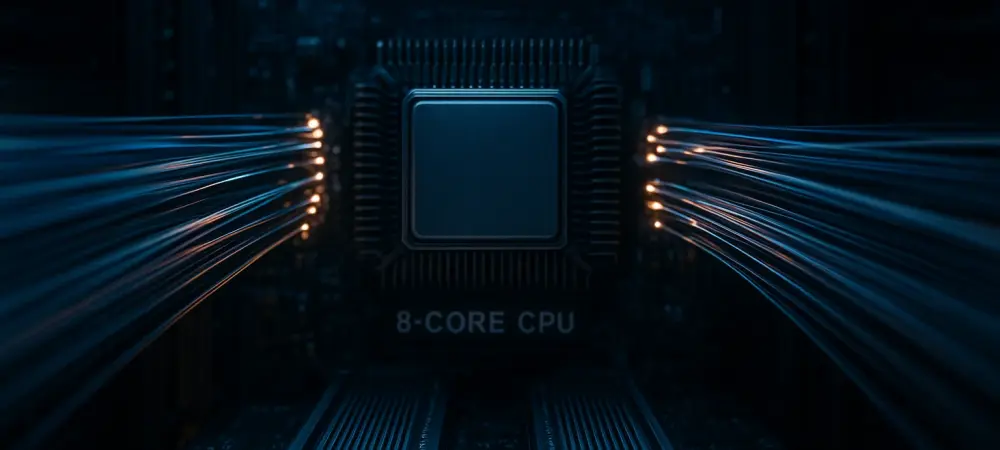
Recent analytical data from major digital distribution platforms indicates a significant shift in the hardware landscape where octa-core processors have finally overtaken their quad and hexa-core predecessors as the most prevalent configuration among global PC enthusiasts. This transition marks a critical milestone for the industry, reflecting a broader movement toward high-performance computing becoming the baseline for modern entertainment. For years, the four-core architecture remained the gold standard, but the increasing complexity of environmental physics and sophisticated artificial intelligence have rendered lower thread counts insufficient for contemporary titles. Developers are now optimizing software to leverage eight physical cores, ensuring that background tasks do not impede the primary game loop. This evolution has been fueled by competitive pricing, making high-core-count silicon more accessible. As a result, multi-threaded performance is now a fundamental requirement for a seamless user experience.
The Memory Paradox: Analyzing the Recent Shift in System RAM Distribution
While the expansion of central processing units has followed a logical progression, the recent data regarding system memory presents a puzzling deviation from historical trends as the average capacity has actually begun to recede. This phenomenon suggests a massive influx of new users entering the ecosystem through more compact or cost-effective hardware solutions that prioritize core count over expansive RAM modules. Modern handheld gaming devices and entry-level laptops often ship with fixed sixteen-gigabyte configurations, which has diluted the statistical dominance of enthusiasts who previously dictated the curve. Furthermore, the transition to DDR5 technology has altered how users approach upgrades, as higher bandwidth allows for more efficient data handling even with lower total capacities. This shift highlights a change in consumer priorities, where the speed of the memory bus is often valued over volume. This optimization allows systems to maintain responsiveness without the excessive overhead common in previous eras.
Strategic Adjustments: Refining Performance Standards for Modern Systems
Navigating this reality required a strategic shift in how hardware investments were prioritized to ensure long-term viability in an increasingly demanding digital environment. Software engineers responded by refining memory management techniques, ensuring that applications remained performant even as the average available capacity shifted downward. For those looking to assemble or upgrade systems, the focus shifted toward ensuring that eight physical cores remained the absolute minimum baseline to avoid immediate obsolescence. It became clear that while high RAM totals were beneficial for professional workloads, the gaming sector benefited more from the architectural improvements of modern CPUs. Stakeholders acknowledged that the era of over-provisioning memory had given way to a more balanced approach that emphasized raw processing power. This era demonstrated that effective hardware utilization mattered more than raw specifications. This transition paved the way for a more streamlined market that favored architectural innovation from 2026 to 2028.